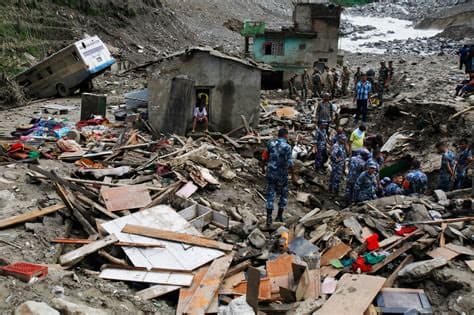
In the quiet hours before dawn, when the sky blushed pale and the world still held its breath, distant horizons in the Middle East began to flare with unwelcome light. Like embers cast from a once-contained fire, explosions in Tehran and Beirut reminded distant observers that conflicts, no matter how long simmered, can leap suddenly into flame. This spring of 2026 seems to have unfolded such a chapter — one that tests not just the strength of nations, but the resilience of ordinary lives caught between headlines and hearthfires.
Across urban landscapes in Iran’s capital, air raid sirens heralded waves of military aircraft. Fragile routines of daily life — school lessons, market transactions, children playing in alleys — were interrupted by the distant roar of strikes that government officials described as deliberate and intense, aimed at command centers and strategic sites. Nearby, families moved through smoke-tinged streets, not knowing whether the next moment would bring news of loss or relief.
At the same time, another city — Beirut — found itself once again etched into a map of conflict. Air strikes in southern suburbs echoed through residential neighborhoods as military operations targeted Hezbollah positions, spurring residents to flee by the thousands down twisting roads and into uncertain refuge. The physical landscape of homes, shops, and alleyways reflected the kind of fragility that many Lebanese have known for years.
Amid these developments, voices from Washington wove their own narrative. President Donald Trump, addressing the nation in measured tones, outlined a set of objectives he said guided U.S. policy: to dismantle Iran’s missile and naval capabilities, prevent nuclear weapon development, and curb support for proxy forces across the region. He acknowledged that the campaign could extend for weeks — or longer — and that U.S. service members had already paid the ultimate price in combat.
Yet within these stark strategic goals lies a deeper tension — between the imperatives of military action and the intangible human cost that reverberates in distant living rooms, in the sorrowful eyes of families who have lost loved ones, and in the quiet prayers of those who long for peace. Oil lanes and travel routes faltered under the weight of disruption, and markets responded in uncertain ways, a reminder that geopolitical strife rarely stays confined to battlefields.
Still, there are moments when the noise of conflict is tempered by the resilience of community — neighbors sharing what little food they have, volunteers tending to the wounded, and cautious hopes that diplomatic channels might yet open a path away from escalation. For all the explosive rhetoric of power and strategy, it is often in these human gestures that the true texture of life in a war-torn neighborhood emerges.
As today’s events continue to unfold, the crisis in the Middle East remains a tapestry of complex historical grievances, strategic calculations, and personal sorrows. The coming days will likely tell whether this moment becomes a protracted chapter of hardship or a turning point toward negotiation and restraint — but for now, the world watches as the sun climbs over horizons once made familiar by peace.
AI Image Disclaimer “Illustrations were produced with AI and serve as conceptual depictions.”
Sources The Guardian, Reuters, Associated Press (AP News), Washington Post, AFP.
Published by Banx Network. This article is part of the Banx decentralized media programme, powered by the BXE token on the XRP Ledger.