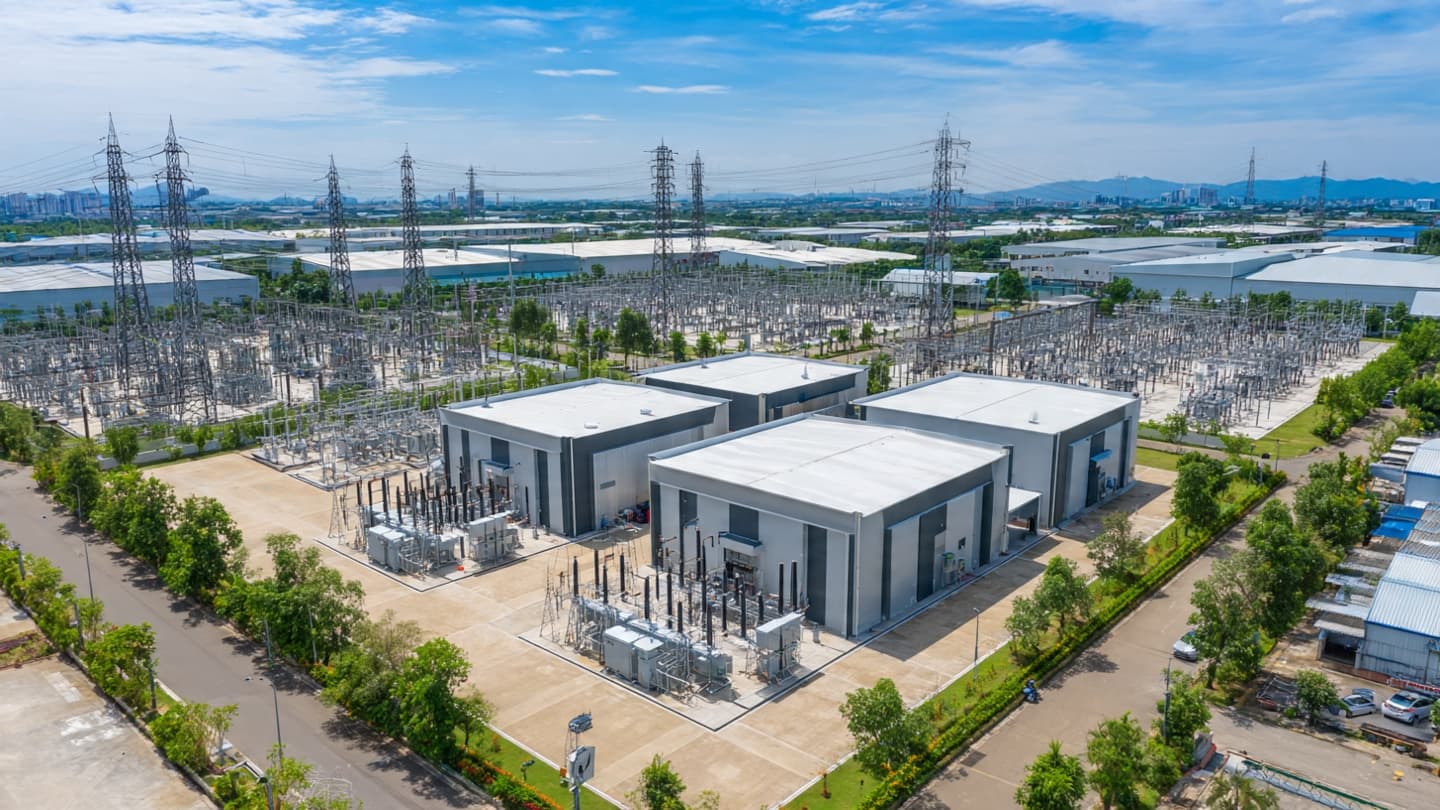
A data center can look like a simple industrial building from the outside. Inside, however, thousands of machines may operate continuously, requiring electricity, cooling, water management, security, and carefully maintained connections to the wider network. Thailand's rapid expansion of this infrastructure is now bringing those physical requirements into sharper focus.
The country's Board of Investment is tightening its screening of data-center projects as demand driven by artificial intelligence places greater pressure on electricity and water resources. The emphasis is shifting from simply attracting more projects toward ensuring that new facilities are prepared to operate sustainably.
Four requirements are being emphasized for new projects seeking investment incentives: energy and water readiness, environmental protection, and tangible benefits for Thailand's economy. The last category includes developing local AI talent and helping Thai businesses participate in technology supply chains.
Electricity is at the center of the issue. Large data centers can require substantial amounts of power, particularly when designed for high-performance AI computing. Thailand therefore needs to consider not only individual projects but also the capacity of the broader electricity grid.
A new requirement calls for large data-center investors to provide a bank guarantee of 4.5 million baht for every megawatt of electricity capacity they reserve. The measure is designed to discourage companies from reserving power capacity without using it while giving electricity authorities greater certainty when planning infrastructure.
Authorities are also considering a separate electricity tariff for large data centers. An initial rate of five to six baht per kilowatt-hour has been discussed, compared with a general electricity rate of 3.95 baht per unit for September through December 2026.
Water is another consideration. Cooling systems can require significant water resources, particularly in large facilities. New projects must therefore provide water-management plans as Thailand evaluates where additional digital infrastructure can be developed.
The government is also preparing a "Power and Water Map" intended to help guide investment toward areas where infrastructure can better support new facilities. The approach could reduce excessive concentration in existing industrial areas while distributing digital investment more broadly.
The economic benefit of the projects is receiving greater attention as well. Authorities want data centers to contribute to Thailand's domestic technology ecosystem through skills development, local supply chains, research capabilities, and access to computing resources.
The shift reflects a simple physical reality: digital growth still requires land, electricity, water, equipment, and people. Thailand's technology ambitions remain strong, but the latest measures show that future data-center expansion will increasingly be judged by how well those physical resources can support it.
As artificial intelligence continues increasing demand for computing capacity, Thailand is entering a more measured stage of digital infrastructure development. The question is no longer simply how many data centers can be built, but where they can operate, how they can be powered, and what lasting contribution they can make to the economy.
AI Image Disclaimer The accompanying visuals are AI-generated conceptual illustrations and do not depict actual Thai data centers, energy facilities, or government projects.
Sources The Nation Thailand Thailand Board of Investment Reuters
Published by Banx Network. This article is part of the Banx decentralized media programme, powered by the BXE token on the XRP Ledger.