

Key Highlights
- Incident:A haka performance directed at an Indian MP has sparked debate.
- Perspectives:Critics and supporters offer differing views on cultural respect.
- Dialogue:Community leaders emphasize the need for cultural sensitivity.
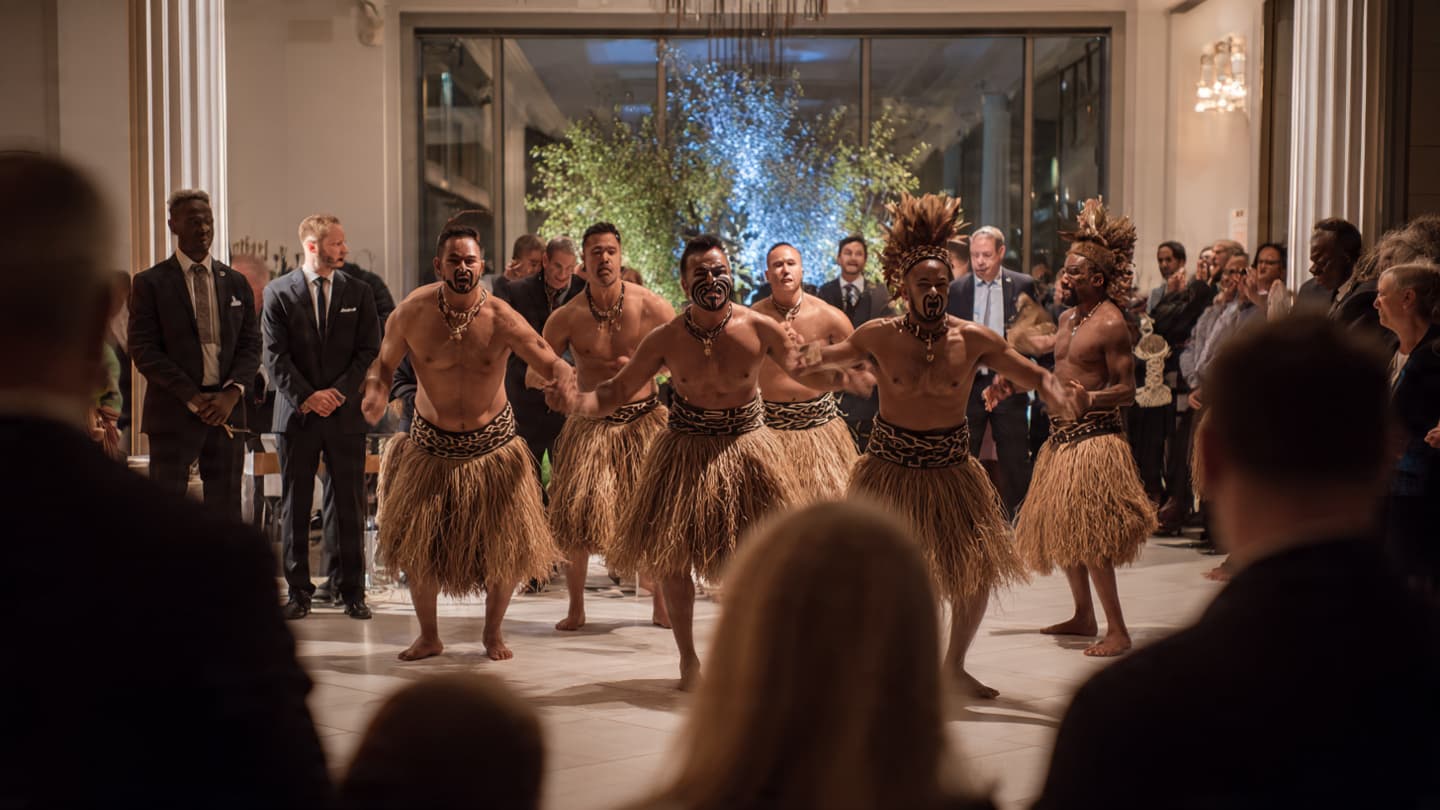
The intersection of culture and politics often raises complex questions about respect and understanding. A recent incident involving a haka performance directed at an Indian Member of Parliament has ignited a significant discussion about the implications of cultural expression in political contexts. The haka, a traditional Māori dance, is deeply rooted in New Zealand's cultural identity and is often used to convey powerful messages.
The controversy erupted when the haka was performed in a manner perceived by some as targeting the Indian MP. Critics argue that using such a culturally significant expression in a confrontational setting risks misinterpretation and could offend those unfamiliar with its traditional context. They stress the importance of preserving the dignity and intended meaning behind cultural practices, particularly when they are used in political arenas.
On the other hand, supporters of the haka performance argue that it serves as a legitimate form of protest and political expression. They point out that the haka has historically been employed to convey strong sentiments and messages, particularly in moments of social or political significance. This perspective emphasizes the importance of context and intent in understanding the use of cultural expressions.
The Indian MP involved has chosen not to escalate the situation publicly, acknowledging the incident without further comment. Political leaders from various backgrounds have generally called for mutual respect and cultural sensitivity, recognizing the need for dialogue in navigating such complex issues.
This incident highlights broader conversations about the sharing and adaptation of cultural practices in public spaces. As globalization continues to influence political discourse, the ways in which cultural expressions are perceived and utilized are increasingly scrutinized. Observers note that this situation reflects the challenges of balancing cultural heritage with contemporary political realities.
Māori leaders and cultural commentators have weighed in on the debate, offering nuanced perspectives that underscore the significance of the haka while also stressing the importance of its appropriate use. Their insights contribute depth to the ongoing discussion about cultural respect and the evolving nature of traditions in modern contexts.
As the debate unfolds, community leaders and officials are encouraging open dialogue to address tensions while honoring cultural traditions. The focus remains on finding a balance between expression and respect, ensuring that cultural practices are celebrated and preserved even as they adapt to new circumstances.
In conclusion, the haka controversy serves as a reminder of the intricate relationship between culture and politics, prompting essential discussions about respect, understanding, and the evolving nature of cultural expressions in a globalized world.
Published by Banx Network. This article is part of the Banx decentralized media programme, powered by the BXE token on the XRP Ledger.




