

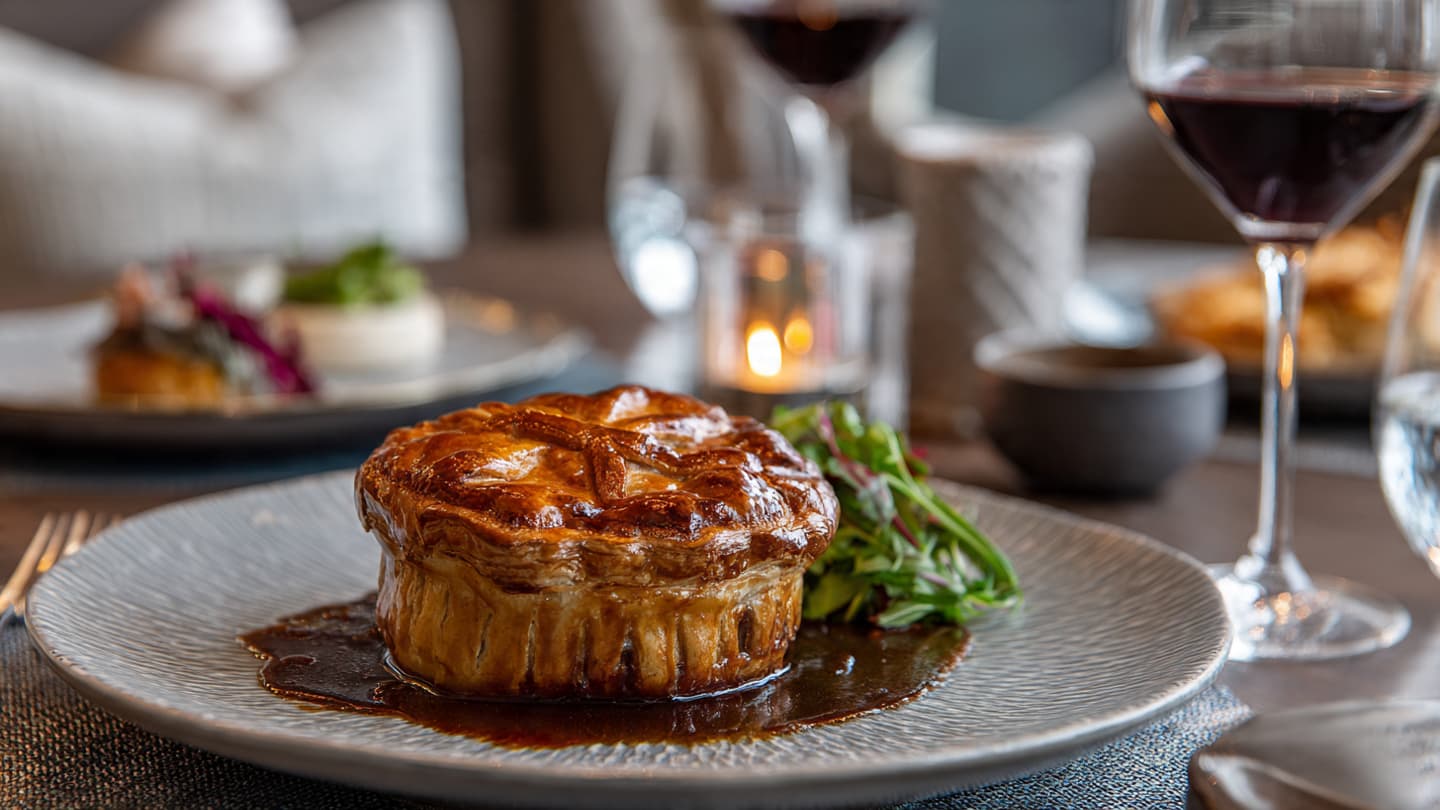
Key Highlights
- Cultural Significance:Food embodies memory and identity across generations.
- Emotional Resistance:Horse meat pie evokes discomfort in Western societies.
- Global Perspectives:Acceptance varies widely based on cultural context.
- Ethical Considerations:Animal welfare influences dietary choices.
- Evolving Norms:Globalization challenges traditional food perceptions.
[Understanding Cultural Resistance]
Food often carries more than flavor; it holds memory, culture, and quiet lines of meaning drawn over generations. What one community regards as ordinary sustenance, another may approach with hesitation, revealing how deeply identity and perception shape the act of eating. The discomfort some individuals feel toward eating horse meat pie reflects a complex interplay of cultural norms, personal beliefs, and emotional associations.
In many Western societies, horses are often viewed as companion animals or symbols of heritage, rather than as a source of food. This perception contrasts sharply with culinary traditions in parts of Europe and Asia, where horse meat has long been included in regional diets. In those contexts, it is prepared and consumed without the same level of unease, highlighting how cultural frameworks influence acceptance.
Psychologists suggest that familiarity plays a significant role in food preferences. When individuals are raised in environments where certain animals are not considered food, the idea of consuming them can evoke discomfort or even aversion. This psychological barrier can be particularly strong when it comes to animals that hold a special place in the hearts of many, such as horses.
Media, literature, and historical narratives also contribute to shaping these perceptions. Horses, frequently portrayed as loyal companions in stories and real-life settings, occupy a distinct emotional space that can make their consumption feel incongruent for some. The portrayal of horses in popular culture often emphasizes their roles as friends and helpers, further complicating the acceptance of horse meat in diets where these narratives prevail.
Ethical considerations further complicate the issue. Questions about animal welfare, treatment, and the purpose of raising animals often intersect with personal values, influencing dietary choices. For many, the idea of consuming an animal that has been a companion or a working partner raises ethical dilemmas that can lead to strong aversions.
At the same time, globalized food markets and increased cultural exchange are gradually exposing people to a wider range of culinary practices. This exposure can challenge established norms, sometimes leading to greater acceptance, and at other times reinforcing existing preferences. As people travel and interact with diverse cultures, they may find themselves more open to trying foods that were once considered taboo in their own communities.
Ultimately, the response to foods like horse meat pie illustrates how eating is not solely a biological necessity, but also a reflection of cultural identity and individual perspective. While reactions vary widely, the discussion around such foods continues to highlight the diverse ways in which culture and emotion shape dietary habits. Understanding these complexities can foster greater appreciation for the rich tapestry of global cuisines and the stories they tell.
Published by Banx Network. This article is part of the Banx decentralized media programme, powered by the BXE token on the XRP Ledger.




