In the grand tapestry of history, few institutions hang more heavily with myth and ceremony than the British monarchy. Like an ancient oak standing amid shifting winds, its roots reach deep into national memory — yet even the sturdiest trees can be stretched by the storms that shake them. Scandal, it seems, has been one of those winds, whispering through palace corridors as much as echoing in streets far from London.
The monarchy’s brush with public controversy is not a new phenomenon. In the 1930s, King Edward VIII chose love over crown, abdicating his throne to be with Wallis Simpson, a decision that sent reverberations through the empire and redefined the boundary between duty and personal desire in the public eye. This turning point, rooted in human longing, sowed seeds of what would become a recurring theme — the clash of private hearts with public expectations.
Decades later, the tragic life and death of Diana, Princess of Wales, offered another chapter in this unfolding saga. A beloved figure whose warmth and vulnerability captured the world’s imagination, her story was marked as much by affection as by tumult. The global grief at her passing was paired with criticism of an institution struggling to reconcile tradition with a public that had grown ever more connected and vocal. The experience challenged the monarchy’s relationship with modern media and expectations of transparency.
In recent years, the story turned again towards questions of accountability and change. Prince Harry and Meghan Markle’s decision to step back from senior royal duties, and the candid reflections they offered in their memoir and interviews, opened conversations about identity, belonging, and the pressures of life in the spotlight. Their departure from full royal life was seen by some as an act of independence and by others as a rupture in a long-standing system.
Perhaps the most striking contemporary moment comes with the case of Prince Andrew, now no longer styled as prince, whose ties to controversial figures and subsequent legal scrutiny have marked an unprecedented challenge to royal decorum. His arrest in 2026 tied to allegations concerning misconduct in public office underscores how even those born into privilege are not immune from the lens of public accountability.
These stories — from abdication to personal struggles, from public grief to legal scrutiny — present more than isolated headlines. They reflect a living institution continually shaped by personal choices, societal expectations, and the relentless gaze of history. Each episode has left its imprint on the monarchy’s image, influencing how it is understood in a changing world.
As the monarchy moves forward, it carries these moments with it — reminders that crowns may be worn by individuals with lives as complex and vulnerable as anyone else’s, and that the story of a nation is often written in the way it responds to both triumph and turmoil.
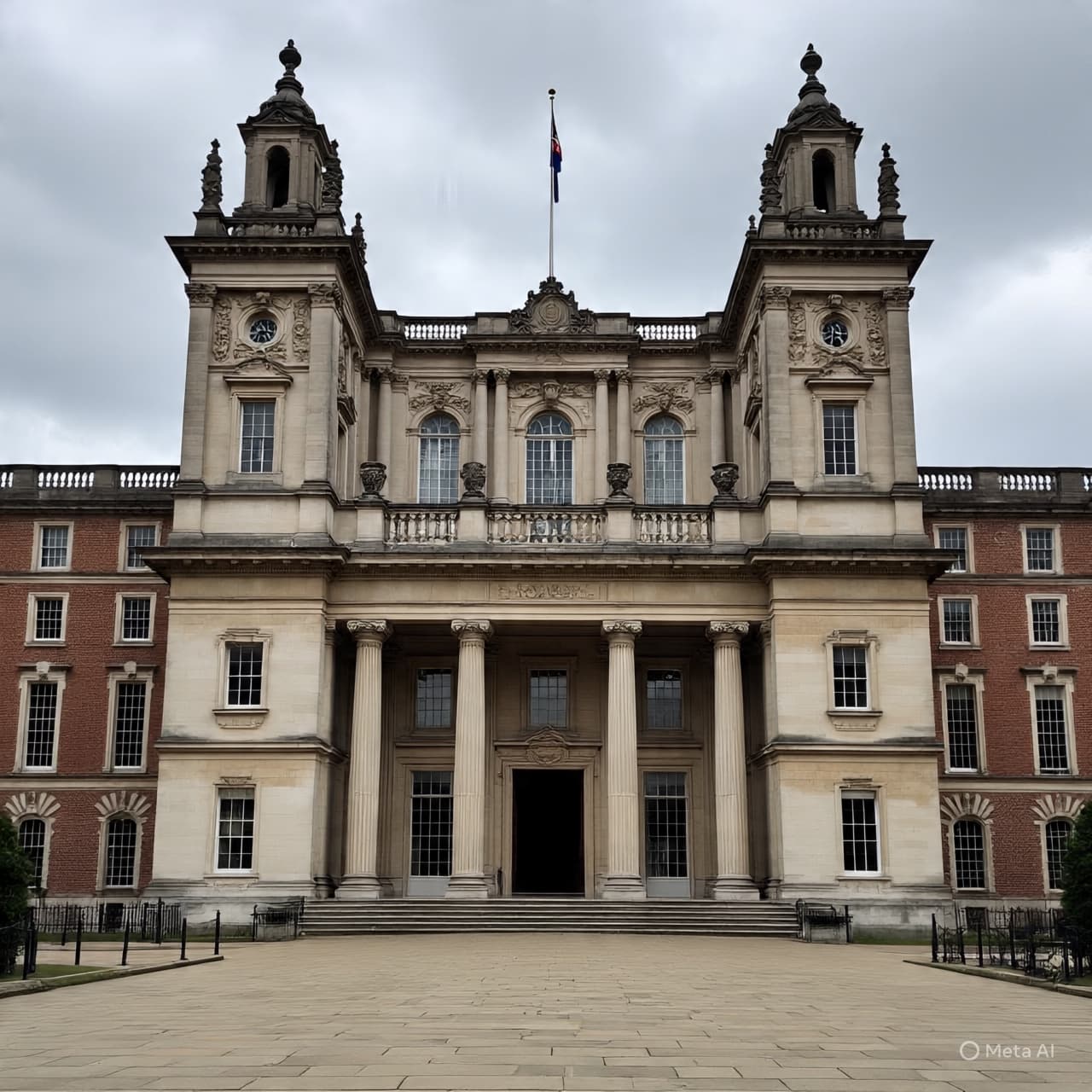
AI Image Disclaimer “Visuals are created with AI tools and are not real photographs.”
Sources Associated Press (AP News) Reuters The Guardian People Time Magazine
Published by Banx Network. This article is part of the Banx decentralized media programme, powered by the BXE token on the XRP Ledger.