

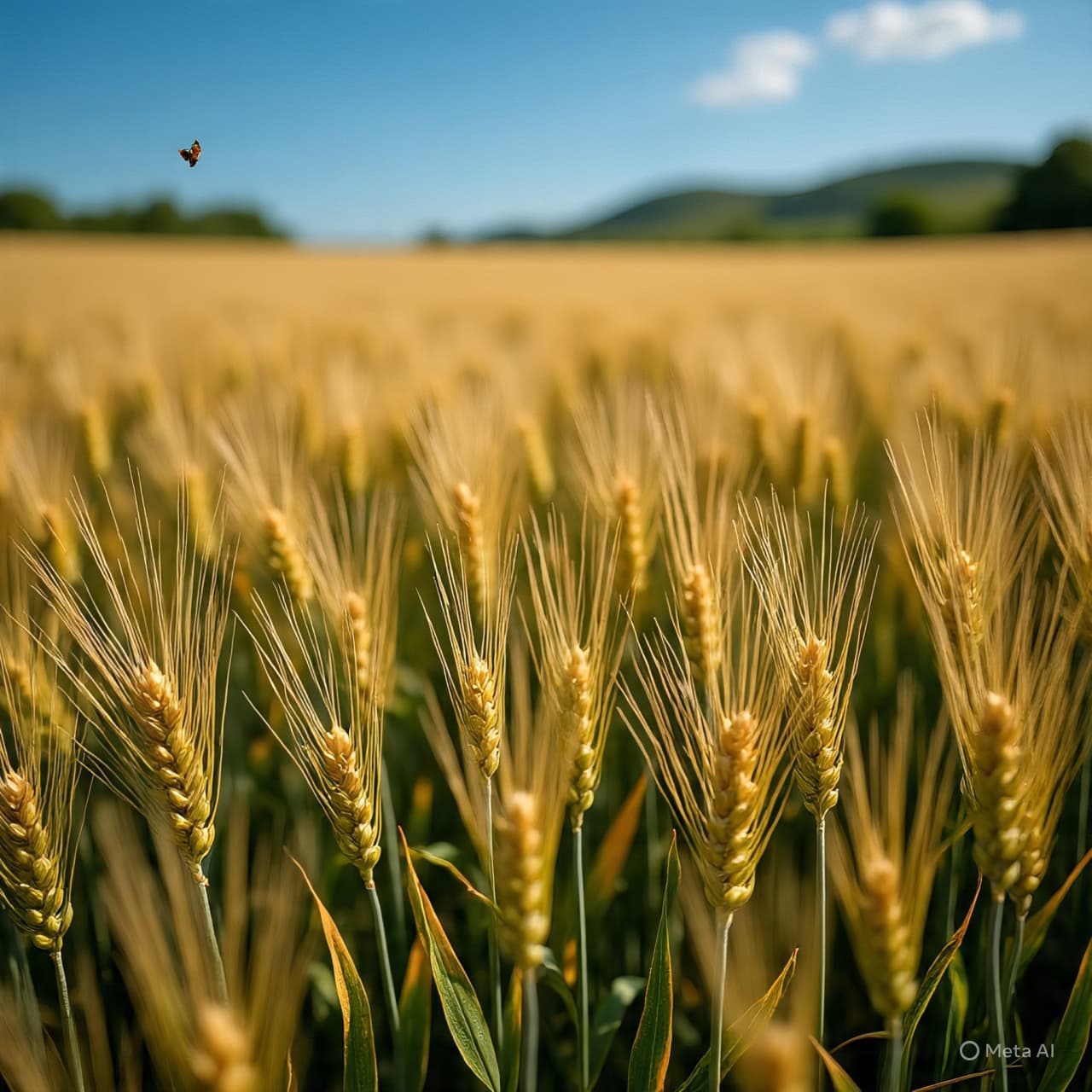
Key Highlights
- Increase in yellow rust:Reports show a rise in yellow rust affecting winter wheat crops.
- Impact on yields:The disease impairs photosynthesis, reducing both quantity and quality of crops.
- Importance of monitoring:Early detection is crucial for managing the disease effectively.
The agricultural landscape is often perceived as a bastion of stability, with farmers relying on the predictable cycles of planting and harvest. However, recent developments have disrupted this sense of security, particularly with the alarming rise of yellow rust, a fungal disease that poses a significant threat to winter wheat crops across various regions. This increase has prompted urgent discussions among agricultural experts and farmers, who are now more vigilant than ever in monitoring their fields.
Yellow rust, identifiable by its yellow streaks on wheat leaves, can severely hinder a plant's ability to photosynthesize. This impairment leads to diminished crop yields, which can have cascading effects on both local economies and global food supply chains. Farmers often face a delayed response to such diseases, as the symptoms may not be immediately apparent, allowing the disease to spread before it is detected.
Weather conditions are a critical factor in the proliferation of yellow rust. The combination of cool temperatures and moisture creates an ideal environment for the fungus to thrive. In recent years, certain regions have experienced an uptick in these conducive weather patterns, raising concerns among agricultural specialists about the potential for widespread crop damage.
Experts stress the necessity of early detection in combating yellow rust. Regular monitoring of crops enables farmers to spot symptoms before they escalate, forming a crucial first line of defense against the disease. This proactive approach is essential in mitigating the impact of yellow rust on wheat production.
Preventive strategies are also being employed to manage the threat of yellow rust. The use of resistant wheat varieties and targeted fungicide applications are among the methods farmers are adopting to control the disease's spread. While these measures do not aim to eradicate yellow rust entirely, they are designed to minimize its impact on crop yields.
The rise of yellow rust is not just an isolated agricultural issue; it reflects broader environmental trends. Changes in climate can significantly influence the behavior and distribution of plant diseases, making them more prevalent in certain areas. As wheat remains a staple crop globally, any disruption in its production can have far-reaching implications, affecting everything from local economies to international markets.
Despite the challenges posed by yellow rust, experts maintain a cautiously optimistic outlook. Advances in agricultural science are equipping farmers with new tools and knowledge to adapt to changing conditions. As the growing season progresses, the dialogue between farmers and their crops continues, highlighting the resilience and adaptability inherent in agriculture.
In conclusion, the ongoing monitoring and management of yellow rust are vital for ensuring the health of winter wheat crops and, by extension, the stability of food systems worldwide. As farmers navigate these challenges, their commitment to observation and response will be crucial in maintaining the delicate balance of cultivation.
Published by Banx Network. This article is part of the Banx decentralized media programme, powered by the BXE token on the XRP Ledger.




