

Key Highlights
- Ongoing Conflict:Sudan's crisis unfolds gradually, leading to increased urgency.
- Displacement Crisis:Millions are displaced, straining humanitarian resources.
- Call for Action:Organizations urge governments to expand refugee intake.
Sudan's ongoing conflict has not erupted in a single moment but has developed gradually, layer by layer, creating a complex humanitarian crisis. Each day adds to a growing sense of urgency that extends beyond the borders of Sudan, affecting neighboring countries and the international community. The Refugee Council has raised alarms about what it describes as catastrophic conditions linked to the Sudan crisis, urging governments worldwide to expand their humanitarian intake to accommodate the increasing number of displaced individuals.
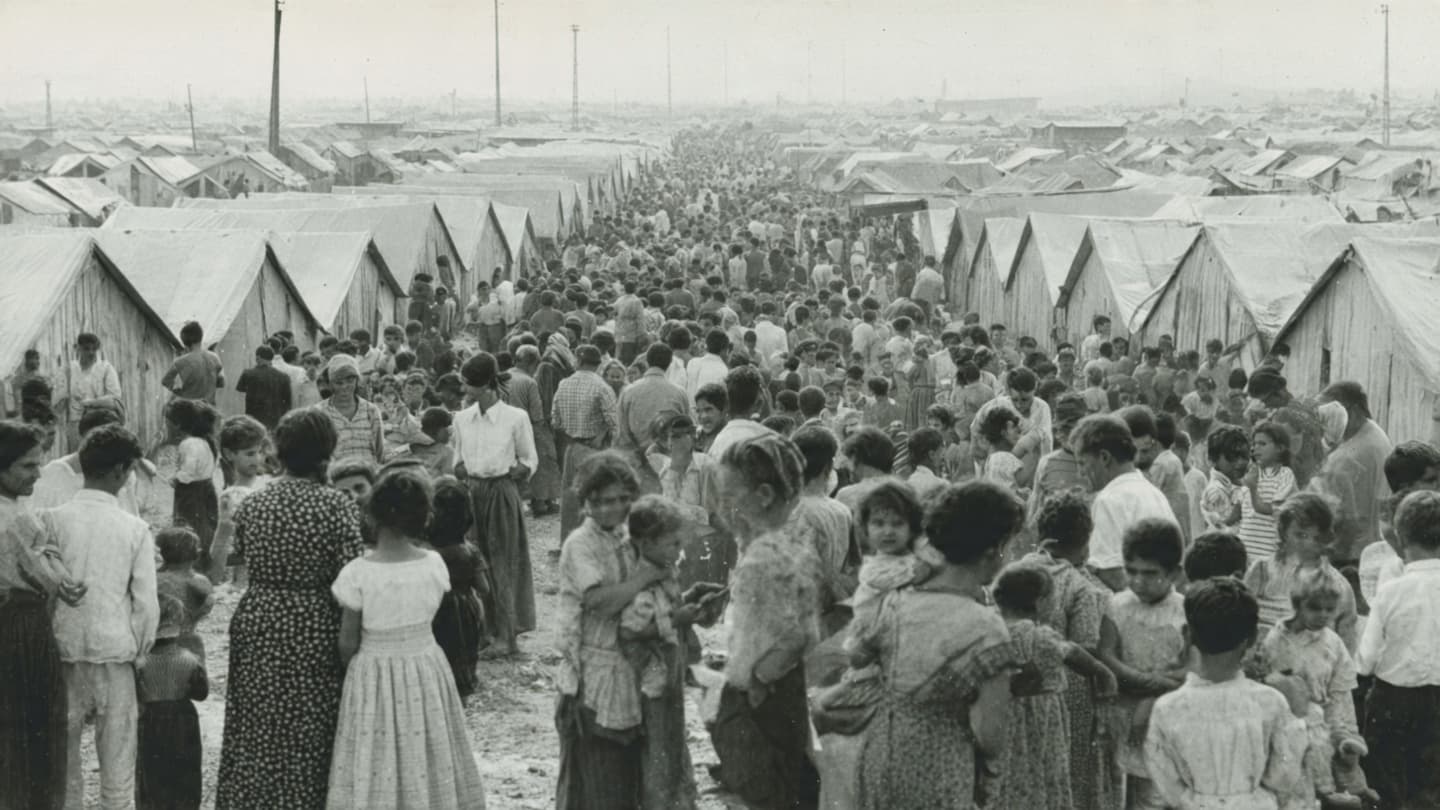
The scale of displacement in Sudan is staggering, with millions of people forced to flee their homes due to escalating violence. Many are seeking refuge in neighboring countries, while others remain internally displaced within Sudan itself. This situation has led to a significant rise in humanitarian needs, placing immense pressure on aid organizations and host communities that are already stretched thin. The Refugee Council emphasizes that current resettlement levels and assistance programs are inadequate to meet the demands of this crisis, arguing that an increase in refugee intake could help alleviate some of the burdens faced by these communities.
Humanitarian agencies are grappling with numerous challenges in delivering aid to those in need. Access constraints, limited resources, and logistical hurdles have made it increasingly difficult to provide essential support to displaced populations. As a result, many individuals are enduring harsh living conditions, lacking basic necessities such as food, shelter, and medical care. The situation is dire, and the need for immediate action is more pressing than ever.
International response efforts to the Sudan crisis have been complicated by competing global priorities, which can significantly impact funding and coordination among humanitarian organizations. Despite these challenges, advocacy groups and international bodies continue to call for greater engagement and support for those affected by the crisis. The ongoing conflict in Sudan serves as a stark reminder of the need for a coordinated and sustained global response to humanitarian emergencies.
The crisis in Sudan also raises broader questions about global responsibility-sharing in addressing large-scale displacement. Cooperative approaches among nations may offer more sustainable pathways forward, ensuring that the burden of supporting displaced populations does not fall disproportionately on a few countries. As the international community grapples with these complex issues, it is crucial to prioritize the human dimension of the crisis, recognizing the individual stories of resilience and survival that often remain less visible amid the statistics.
As attention to Sudan's crisis continues to grow, the appeals for expanded humanitarian action underscore the importance of coordinated and sustained global support. The time for action is now, as the situation in Sudan demands urgent attention and a collective response from the international community.
Published by Banx Network. This article is part of the Banx decentralized media programme, powered by the BXE token on the XRP Ledger.




