

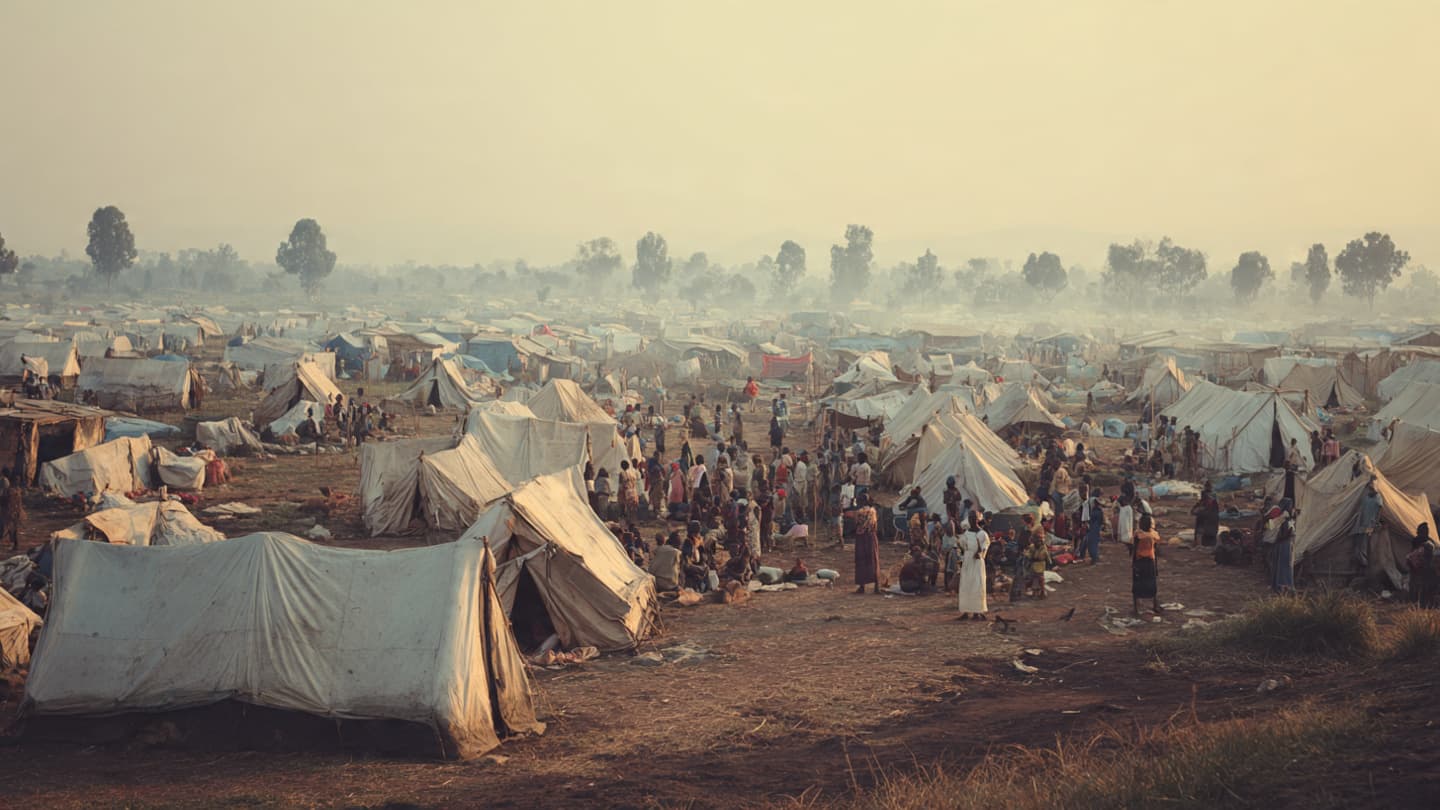
Key Highlights
- Millions displaced:Ongoing conflict in Sudan has forced millions from their homes.
- Urgent appeal:The Refugee Council calls for increased humanitarian intake and support.
- Strained resources:Neighboring countries and aid systems are under significant pressure.
The humanitarian crisis in Sudan is a complex and evolving situation that has unfolded over time, marked by a gradual accumulation of hardship rather than a single catastrophic event. As conflict and instability persist, millions of individuals and families have been displaced, often seeking refuge in neighboring countries or within already strained internal regions. The Refugee Council has recently highlighted the catastrophic conditions faced by those affected, emphasizing the urgent need for increased humanitarian assistance and resettlement opportunities.
According to recent assessments, the scale of displacement in Sudan is staggering. Millions have been forced to flee their homes due to ongoing violence and insecurity, creating a humanitarian emergency that demands immediate attention. The pressure on neighboring countries, which are already grappling with their own challenges, has intensified as they struggle to accommodate the influx of refugees. Aid organizations report that logistical constraints and security concerns continue to hinder relief efforts, exacerbating the dire situation on the ground.
The Refugee Council's appeal for increased humanitarian intake underscores significant gaps in the current international response. Officials argue that existing measures are insufficient to address both the immediate needs of displaced individuals and the longer-term stability required for recovery. The organization is calling for a more coordinated global effort to ensure that those affected by the crisis receive the support they desperately need.
Conditions in Sudan remain precarious, with limited access to essential resources such as food, healthcare, and secure shelter. Humanitarian groups have noted that the ongoing conflict complicates relief efforts, making it difficult to deliver aid to those in need. International agencies, including those affiliated with the United Nations, have echoed these concerns, emphasizing the necessity for a unified response to the crisis.
Funding shortfalls and competing global crises have further complicated the situation, leaving many displaced individuals without the support they require. Advocates for humanitarian assistance argue that a more balanced approach to responsibility-sharing among nations could alleviate some of the pressure on frontline states and provide safer pathways for those fleeing violence and instability.
As discussions about policy changes continue, the urgency conveyed by humanitarian organizations highlights the human dimension behind the statistics. Families are navigating uncertainty and seeking stability in unfamiliar places, often facing significant challenges along the way. The Refugee Council's message is clear: a more substantial and coordinated response is essential to address the scale of Sudan's unfolding humanitarian crisis and to ensure that the voices of those displaced are heard and acted upon.
Published by Banx Network. This article is part of the Banx decentralized media programme, powered by the BXE token on the XRP Ledger.




