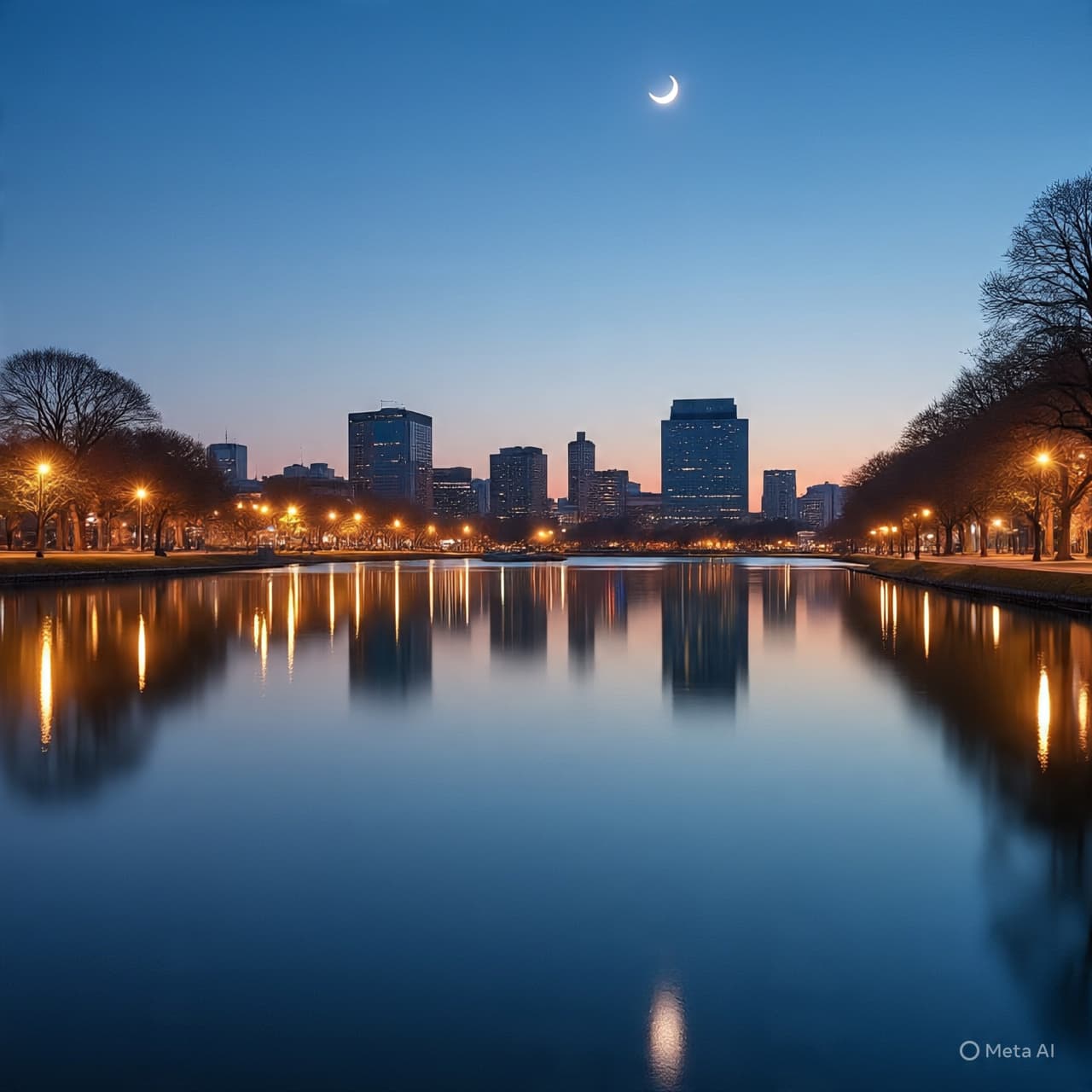
As evening settles across the long grid of Los Angeles, the city exhales into twilight. Streetlights hum awake, storefronts glow, and windows begin to fill with warm domestic light. In neighborhoods near mosques and markets, a different rhythm quietly unfolds—tables set before sunset, kitchens carrying the scent of bread and dates, voices softening as the day’s fast draws to its close. The month of Ramadan does not arrive with spectacle. It arrives gently, like a change in air pressure, a shift in pace, a soft recalibration of time itself.
For Muslims across the world, Ramadan is not simply a calendar marker. It is a season of inward turning—of prayer, restraint, generosity, and stillness. Days are shaped by discipline, nights by gathering. Families wake before dawn to eat in quiet kitchens. Streets grow quieter at sunset, then fill again after evening prayers. Time stretches and folds inward, becoming less about urgency and more about presence.
In a city as vast and layered as Los Angeles, these rhythms unfold alongside every other rhythm of urban life—traffic, patrols, sirens, school bells, office hours. Faith here does not exist in isolation; it lives within the shared infrastructure of sidewalks, intersections, apartment buildings, and public institutions. Spiritual life and civic life breathe the same air.
It is within this shared civic space that the Los Angeles County Sheriff’s Department offered its message of goodwill—extending heartfelt wishes for a peaceful, meaningful, and blessed Ramadan to Muslim communities observing the sacred month. The words themselves are simple, but their presence carries a quiet symbolism: recognition without spectacle, respect without intrusion, acknowledgment without appropriation.
Such gestures do not alter policy, nor do they reshape institutions. But they function in a softer register—the language of coexistence, of presence, of shared civic belonging. In a county as culturally layered as Los Angeles, where identities overlap like light through glass, these acknowledgments become part of the city’s texture. They are small threads in a larger civic fabric, barely visible, yet part of what holds the weave together.
Ramadan itself moves gently through the city. In homes, prayer mats face windows glowing with distant traffic lights. In community centers, quiet conversations replace loud ones. In mosques, the low cadence of recitation flows through halls long after dark. Outside, life continues as it always does—buses run, shops close, night shifts begin—yet something slower, deeper, and more inward moves alongside it.
Faith does not demand the city pause for it. It simply exists within it, shaping the inner lives of those who observe it while the world continues its motion. The sacred and the secular do not collide; they pass beside one another, like parallel streams sharing the same riverbed.
As Ramadan continues through its days of fasting and nights of prayer, communities across Los Angeles gather in quiet ways—around tables, in prayer halls, in living rooms, in moments of stillness before dawn. The Sheriff’s Department’s message stands as a civic acknowledgment of that sacred rhythm, offered without spectacle, without ceremony, and without condition.
The Los Angeles County Sheriff’s Department has publicly extended its wishes for a peaceful, meaningful, and blessed Ramadan to all Muslims observing the holy month.
AI Image Disclaimer
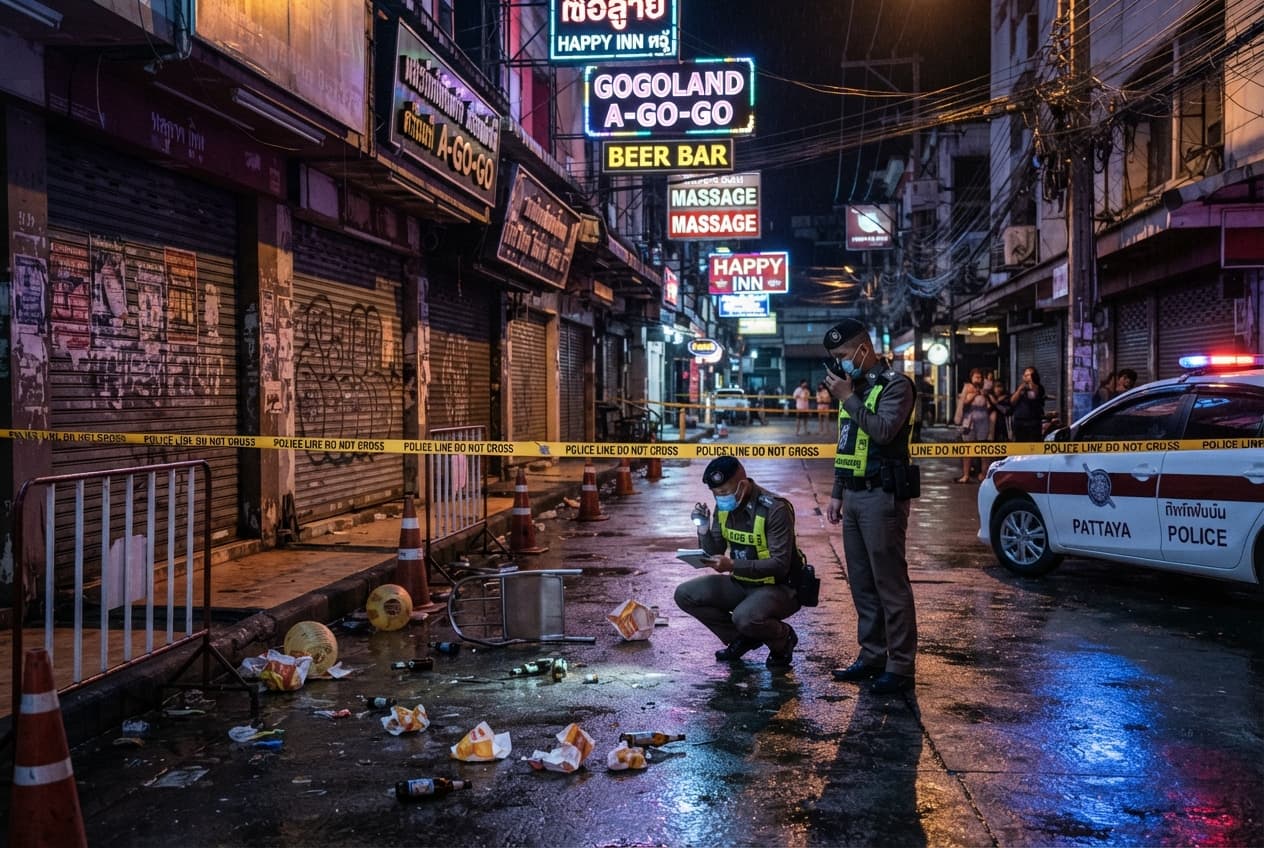
Visuals are AI-generated and serve as conceptual representations.
Sources (Media Names Only)
None — community statement, not a reported media event
Published by Banx Network. This article is part of the Banx decentralized media programme, powered by the BXE token on the XRP Ledger.