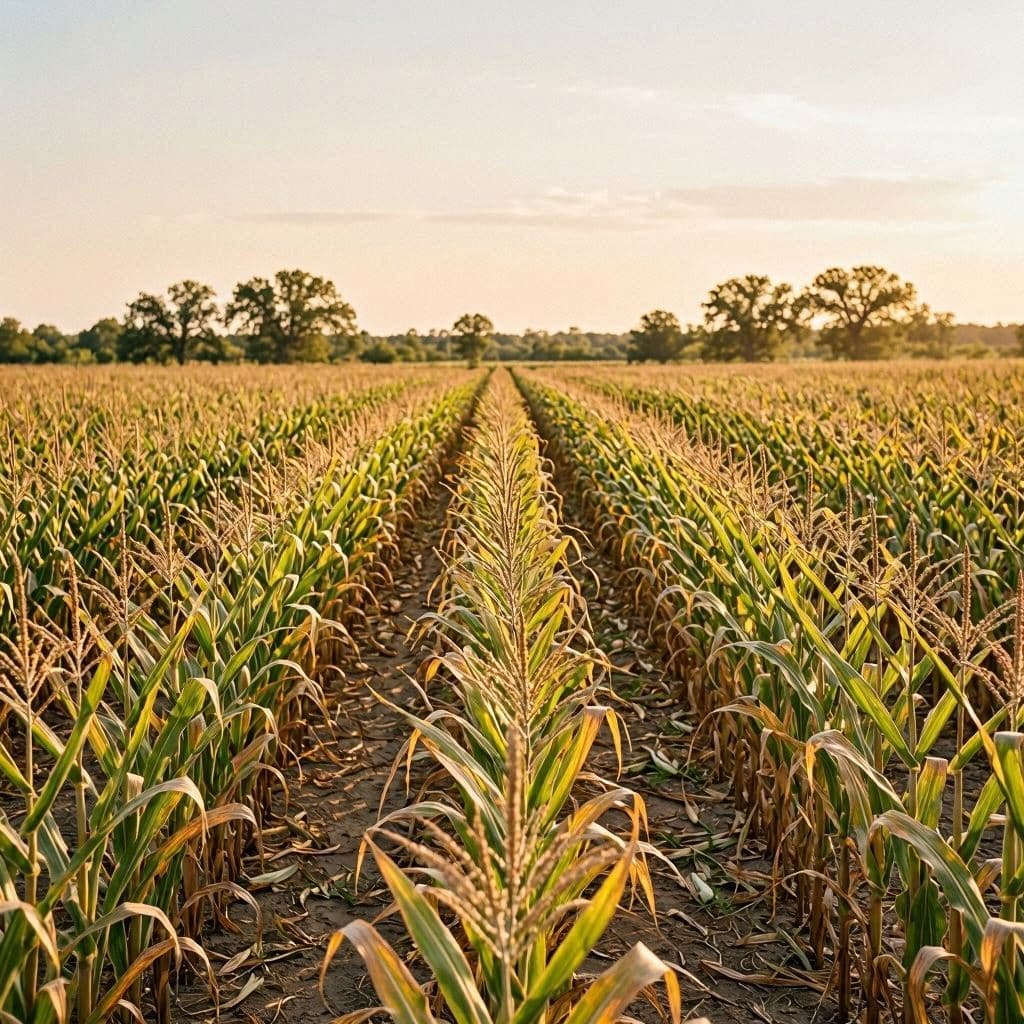
In the heartland of America, where fields of corn stretch to the horizon, a unique meteorological phenomenon is intensifying the summer heat. Known as "corn sweat," this process of transpiration adds significant moisture to the air, raising humidity levels and pushing heat indices to dangerous heights. In Minnesota and Iowa, residents are experiencing unbearable conditions, with heat indices soaring above 100 degrees Fahrenheit. This natural cycle, combined with a persistent heat dome, creates a challenging environment for both people and crops.
The term "corn sweat" may sound whimsical, but its effects are serious. As corn plants release water vapor through their leaves, they contribute to the atmospheric humidity, making the air feel thicker and hotter. For those working outdoors or without air conditioning, the impact can be severe, posing health risks and disrupting daily life.
Body: The current heat wave has been exacerbated by a high-pressure system that traps hot air over the Midwest. This "heat dome" prevents cooler air from moving in, allowing temperatures to build day after day. When combined with the moisture from corn sweat, the result is a stifling atmosphere that feels much hotter than the actual temperature.
Meteorologists report that dew points in the region have reached record levels, often exceeding 80 degrees Fahrenheit. High dew points indicate that the air is saturated with moisture, reducing the body’s ability to cool itself through sweating. This makes physical exertion dangerous and increases the risk of heat-related illnesses such as heat exhaustion and heat stroke.
Farmers in Minnesota and Iowa are closely monitoring their crops, as extreme heat can stress plants and affect yields. While corn is relatively heat-tolerant, prolonged exposure to high temperatures and humidity can lead to reduced pollination and kernel development. Irrigation systems are working overtime to provide relief, but water resources are also under strain.
Public health officials have issued heat advisories and warnings, urging residents to stay hydrated, avoid strenuous activity during peak hours, and check on vulnerable neighbors. Cooling centers have been opened in many communities to provide relief for those without access to air conditioning. These measures are crucial for preventing emergencies.
The phenomenon of corn sweat is not new, but its intensity is being amplified by climate change. Warmer overall temperatures mean that plants transpire more, adding more moisture to an already hot atmosphere. This feedback loop creates conditions that are increasingly difficult to manage, highlighting the need for adaptation strategies.
For outdoor workers, such as construction crews and agricultural laborers, the conditions are particularly hazardous. Employers are encouraged to implement safety protocols, including frequent breaks and access to shade and water. Awareness and preparation are key to ensuring worker safety during extreme weather events.
As the heat wave continues, residents are finding ways to cope. From spending time in libraries and malls to enjoying evening breezes, people are adapting to the temporary discomfort. The community spirit is evident in the ways neighbors look out for one another, sharing tips and resources.
Looking ahead, the forecast suggests some relief may be on the way as the high-pressure system begins to shift. However, the experience serves as a reminder of the power of nature and the importance of respecting its limits. It also underscores the need for long-term solutions to mitigate the effects of a changing climate.
Closing: The combination of corn sweat and a heat dome in Minnesota and Iowa creates unbearable conditions. It calls for vigilance, care, and a collective effort to stay safe during extreme weather.
AI Image Disclaimer: The visuals in this article are AI-generated illustrations designed to reflect the intensity of the heat and humidity.
Sources: Washington Post KTTC Axios Des Moines Register
Published by Banx Network. This article is part of the Banx decentralized media programme, powered by the BXE token on the XRP Ledger.