

Key Highlights
- Historic Agreement:The EU and Mercosur signed a free trade agreement on January 17, 2026.
- Long Negotiation:The deal culminated after 25 years of discussions and negotiations.
- Economic Impact:The agreement aims to reduce tariffs and enhance trade between Europe and South America.
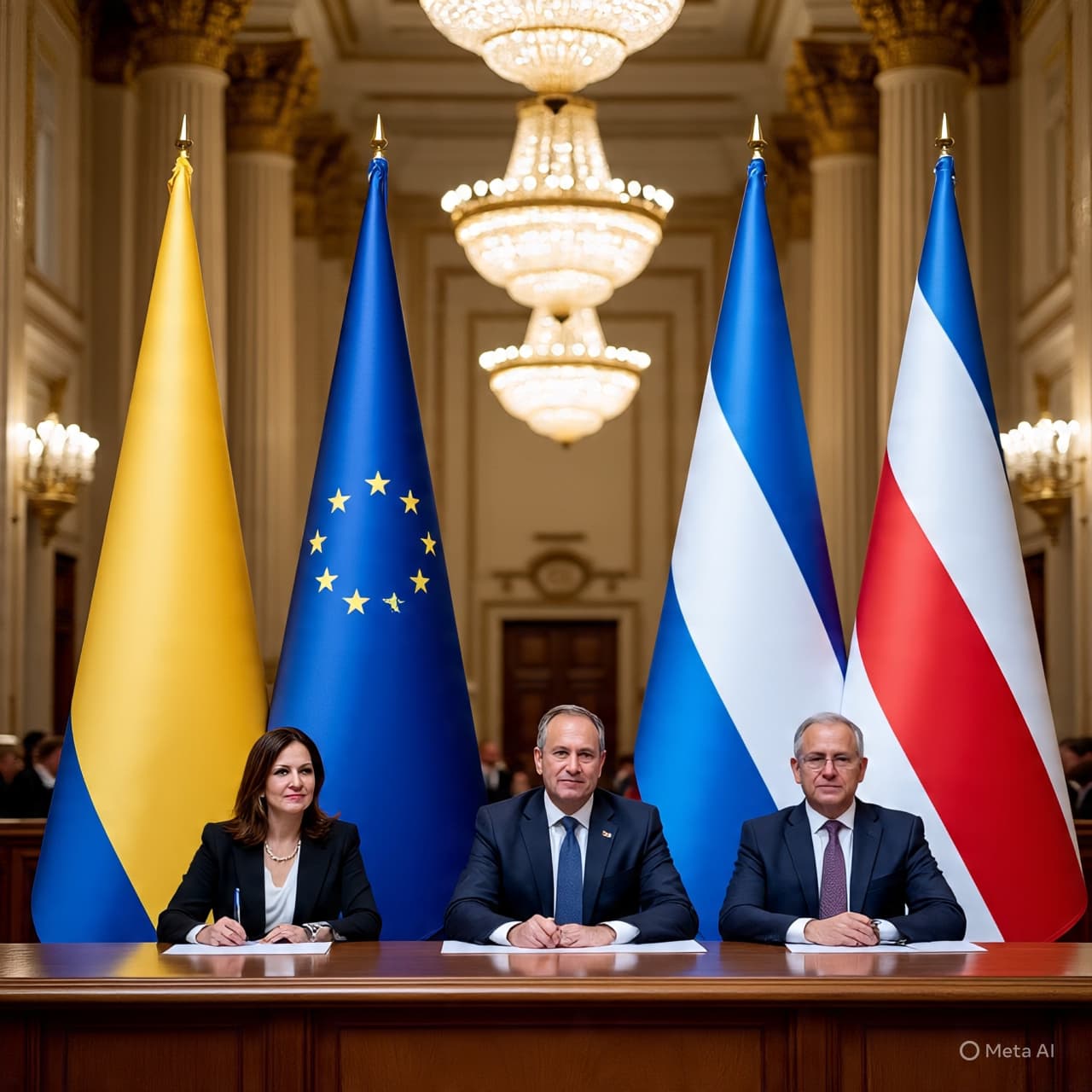
The signing of a free trade agreement between the European Union and South America's Mercosur bloc on January 17, 2026, marks a significant milestone in international trade relations. After 25 years of negotiations, this landmark deal aims to create one of the world's largest free trade areas, encompassing over 700 million people and a substantial share of global GDP. The agreement was formalized in Asunción, Paraguay, during a ceremony attended by key leaders, including European Commission President Ursula von der Leyen and the leaders of Argentina, Paraguay, and Uruguay.
The pact is designed to lower tariffs and facilitate the movement of goods across borders, allowing for a more seamless exchange of European machinery and South American agricultural products. This trade agreement is not merely an economic arrangement; it symbolizes a deeper connection between two continents, fostering collaboration and mutual growth. However, the deal must still be ratified by the European Parliament and the national legislatures of the involved South American countries before it can take effect.
While the agreement holds promise for increased trade and economic integration, it has also raised concerns among various stakeholders. Farmers in Europe, particularly in countries like France and Ireland, have expressed fears that an influx of cheaper imports could disrupt local markets and threaten their livelihoods. Environmental advocates are similarly cautious, emphasizing the need for sustainable practices to protect vital ecosystems as trade expands. The agreement includes provisions aimed at addressing these concerns, but its success will hinge on the commitment to uphold environmental standards and support local communities.
The historical context of this agreement is crucial. The idea of a trade pact between the EU and Mercosur has been in the works since 1999, reflecting a long journey filled with negotiations, setbacks, and evolving political landscapes. The recent signing represents not just a culmination of efforts but also a new chapter in the relationship between these regions. As global trade dynamics continue to shift, this agreement could serve as a model for future collaborations, balancing economic growth with social and environmental responsibilities.
In conclusion, the EU-Mercosur trade agreement is a significant development in international trade, promising to reshape economic ties between Europe and South America. As the world watches how this agreement unfolds, it will be essential to monitor its impacts on local economies, environmental sustainability, and the broader geopolitical landscape. The hope is that this pact will not only enhance trade but also foster a spirit of cooperation and understanding between two diverse regions.
Published by Banx Network. This article is part of the Banx decentralized media programme, powered by the BXE token on the XRP Ledger.




