

Key Highlights
- Ongoing military operations in Gaza have intensified, affecting public institutions.
- The head of police in northern Gaza was killed in an Israeli airstrike.
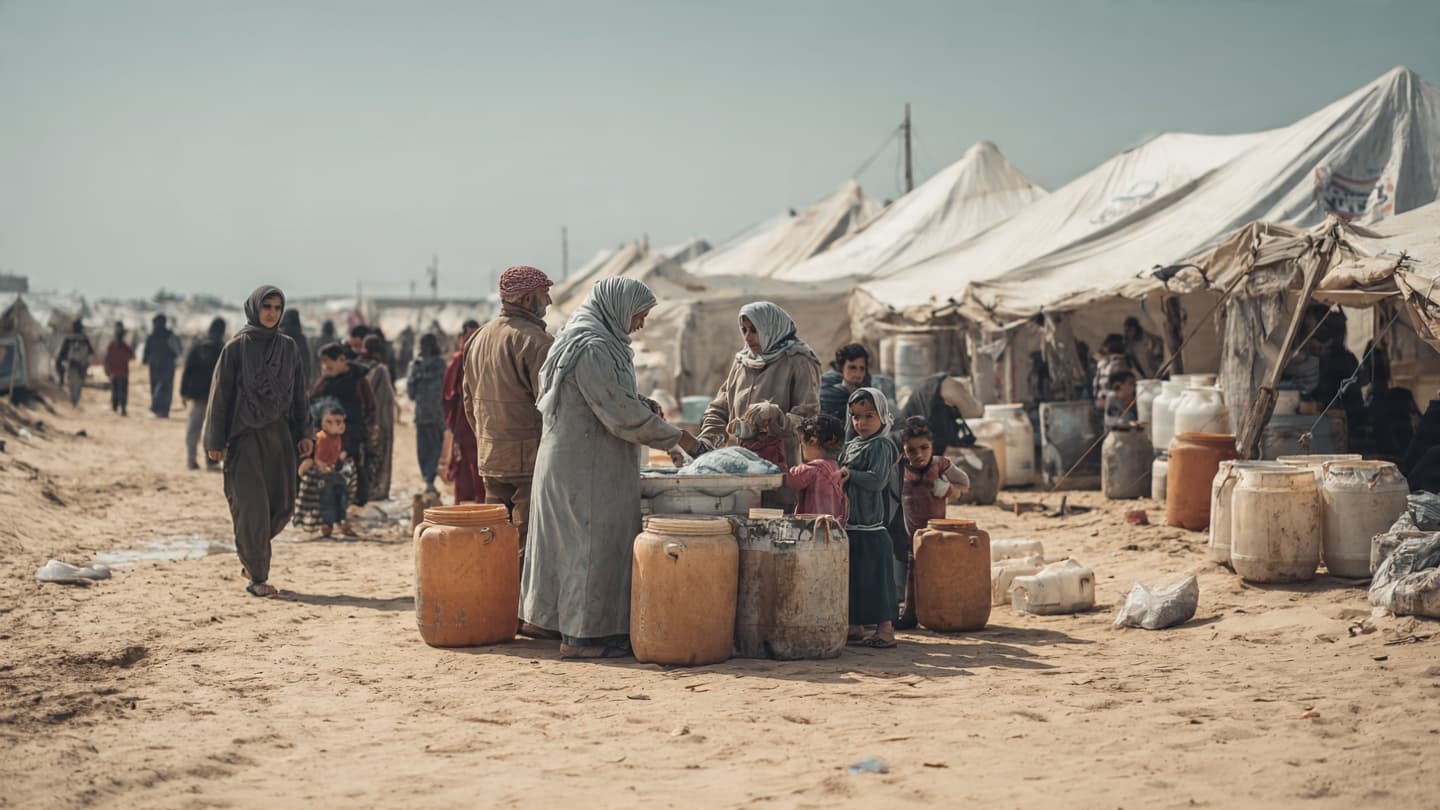
- Humanitarian organizations warn of severe shortages and displacement among civilians.
The rhythm of daily life in conflict zones often hinges on the work of individuals whose efforts go unnoticed until disruption occurs. In Gaza, a region long marked by violence, even institutions designed to maintain order find themselves on precarious ground. Recent developments have further complicated the already dire situation, as Israeli military operations continue to escalate.
Israeli forces have intensified their military campaign in the Gaza Strip, with fighting between Israel and Hamas entering a new phase. Reports from Palestinian authorities indicate that the head of police in northern Gaza was killed in an Israeli airstrike, a significant event amid ongoing military actions that have severely impacted both civilian infrastructure and public institutions.
Israeli officials assert that their military operations are aimed at dismantling Hamas and targeting individuals or facilities believed to support the group's operational capabilities. The Israel Defense Forces (IDF) have emphasized their intention to strike military objectives, while also acknowledging the complexities of conducting operations in densely populated urban areas, where civilian casualties are a tragic reality.
The police chief, who was reportedly responsible for overseeing civil policing and maintaining public order in northern Gaza, represents the broader implications of the conflict on governance and public safety. Local officials have reported additional casualties resulting from the airstrike, but independent verification remains challenging due to restricted access to many affected areas during the ongoing conflict.
The humanitarian situation in Gaza continues to deteriorate, drawing international concern. United Nations agencies and various humanitarian organizations have issued warnings about the consequences of repeated attacks, widespread displacement, and critical shortages of food, medical supplies, clean water, and electricity. Aid groups are calling for expanded humanitarian access and stronger protections for noncombatants caught in the crossfire.
Diplomatic efforts to secure temporary ceasefires and enhance humanitarian assistance are ongoing, with regional and international mediators involved in negotiations. While previous negotiations have led to brief reductions in hostilities, achieving a lasting agreement remains elusive as both sides pursue their respective objectives amidst the chaos.
The death of senior officials, whether in security, governance, or other public roles, underscores the conflict's pervasive impact on institutions responsible for daily administration. As military operations persist, the situation on the ground continues to evolve rapidly, with new information emerging from various official and independent sources.
The reported death of the northern Gaza police chief serves as a stark reminder of the conflict's intensity and its ramifications for public institutions. International observers are closely monitoring the situation, while humanitarian organizations advocate for measures that protect civilians and support efforts toward a sustainable resolution.
Published by Banx Network. This article is part of the Banx decentralized media programme, powered by the BXE token on the XRP Ledger.




