

Key Highlights
- Iran's citizens display flags and gather in public spaces, signaling resilience.
- The pause in conflict follows a decision by former U.S. President Donald Trump regarding military actions.
- Public celebrations contrast with diplomatic caution, highlighting complex geopolitical narratives.
In the aftermath of conflict, there exists a unique moment when the urgency of action gives way to a reflective pause. This transitional space allows individuals and communities to interpret recent events through their own lenses, shaped by history, hope, and uncertainty. Following a decision by former U.S. President Donald Trump to pause military actions involving Iran, the reactions within Iran have been strikingly defiant, showcasing a narrative of resilience rather than concession.
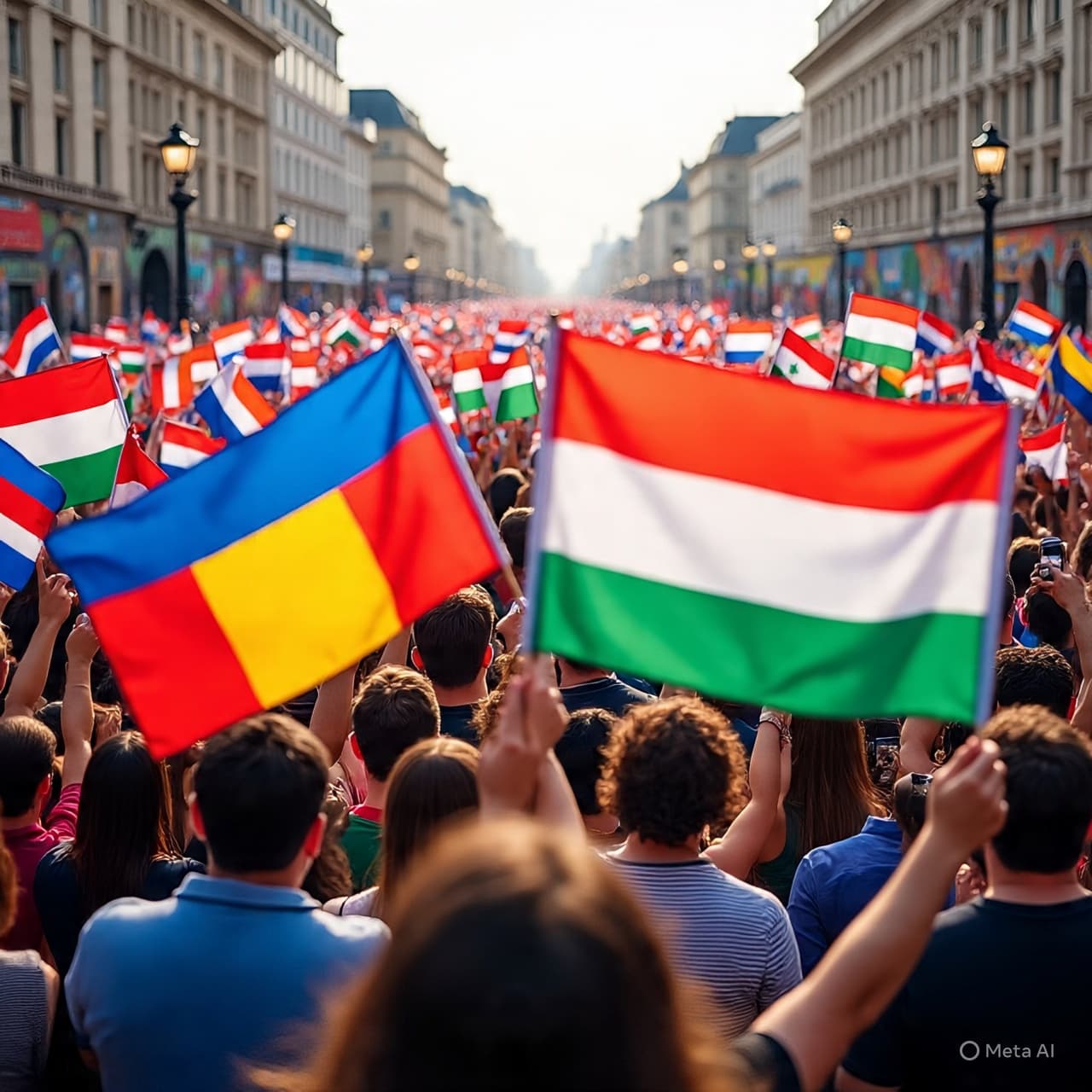
Images emerging from Iran depict citizens waving flags and gathering in public spaces, embodying a sense of victory and national pride. These displays stand in stark contrast to the diplomatic language surrounding the pause, which frames the decision as a step toward de-escalation. While official statements emphasize a move towards peace, the public's response reflects a different story—one that emphasizes endurance and the perception of having withstood external pressures.
Analysts note that such public displays of sentiment are common in situations where conflict halts without a clear resolution. In these moments, symbolism becomes a powerful tool, allowing individuals to define the meaning of events on their own terms. For many Iranians, the act of raising flags serves as a signal of unity and collective identity, reinforcing a narrative of strength during uncertain times.
From an international relations perspective, this pause represents a fragile moment. While it alleviates immediate tensions, it does not address the underlying issues that led to the conflict in the first place. The complexities of diplomacy remain, as stakeholders navigate the delicate balance between celebration and caution.
Public displays of victory can serve multiple purposes. They may boost morale, strengthen domestic narratives, or act as a form of soft signaling to other nations about perceived strength and stability. In this context, the reactions from outside Iran have been measured, with governments and organizations emphasizing the importance of maintaining the pause and pursuing dialogue. This contrast between public celebration and diplomatic caution underscores the multifaceted nature of geopolitical events.
As the situation continues to evolve, attention shifts to what comes next. A pause in conflict presents an opportunity for dialogue and resolution, but it also carries the risk of misinterpretation or renewed tensions if not managed carefully. In the quiet that follows confrontation, the meaning of events is not fixed; it is shaped by those who live through them. In this case, the raising of flags suggests that for many Iranians, the moment is not one of surrender, but rather a declaration of resilience and determination.
Published by Banx Network. This article is part of the Banx decentralized media programme, powered by the BXE token on the XRP Ledger.




