Markets, much like oceans, often appear calm until distant storms begin to stir their surface. A shift in wind thousands of miles away can send waves quietly traveling across the water, reaching distant shores long after the storm itself has formed. In the world of global finance, energy markets move in a similar rhythm, responding not only to supply and demand but also to the uncertainties that ripple across geopolitics.
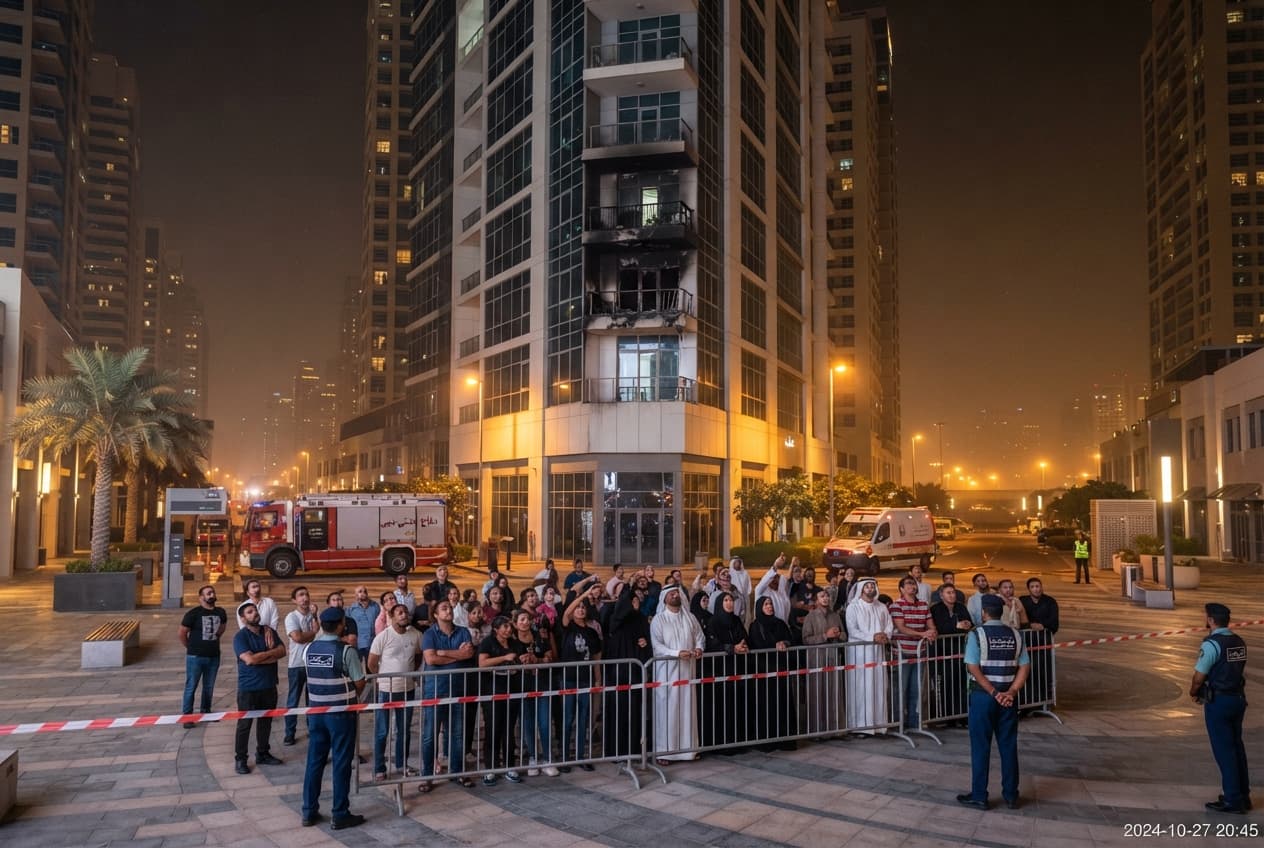
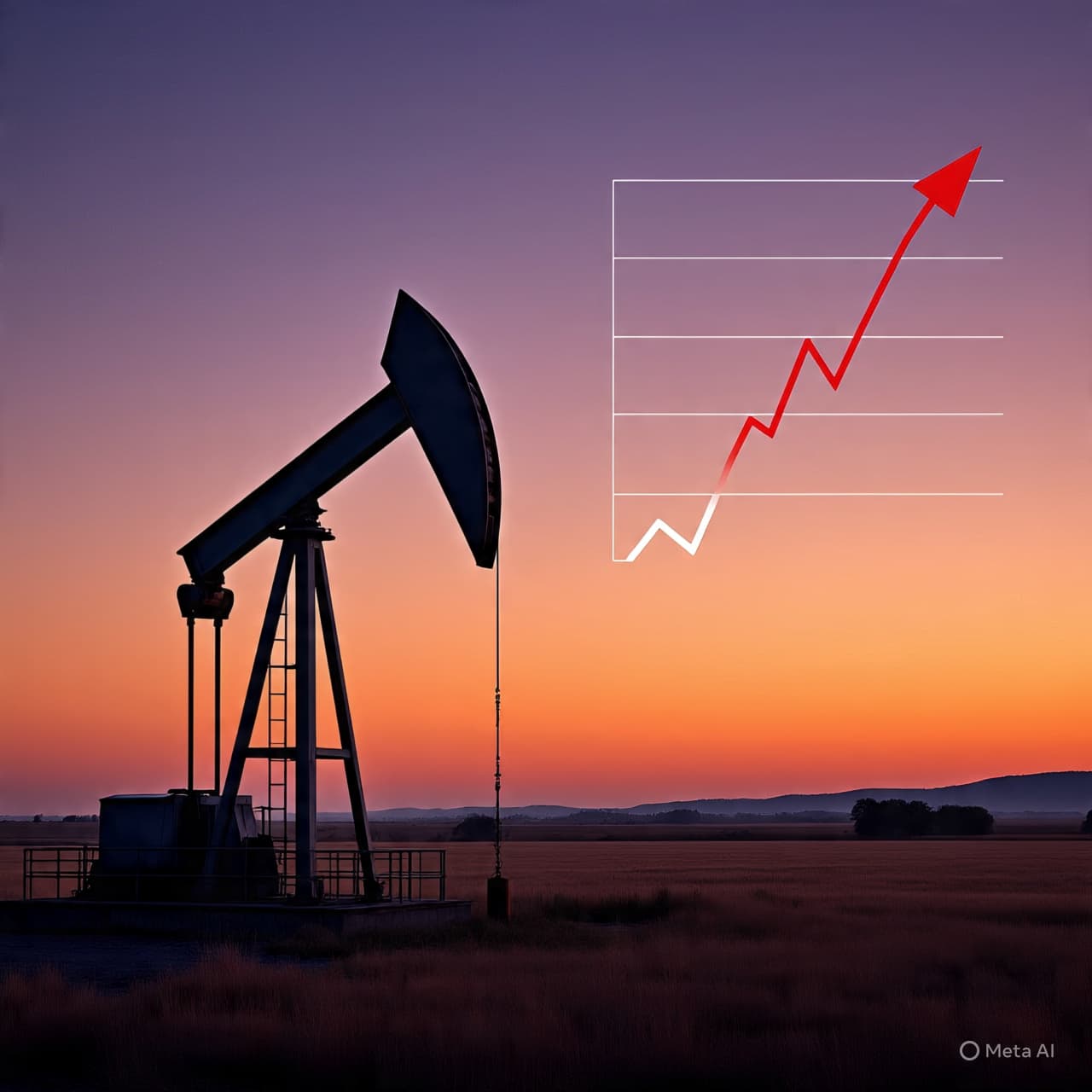
In recent days, those ripples have become unmistakable. Oil prices climbed above the $90-per-barrel mark as the conflict involving Iran intensified, sending signals of unease through energy markets and global economic forecasts. Traders, analysts, and policymakers alike are watching closely as tensions in one of the world’s most strategically important regions begin to reshape expectations for supply and stability.
The Middle East holds a central place in the global energy system. Major shipping lanes, including those near the Strait of Hormuz, carry a significant portion of the world’s oil exports each day. When military conflict touches the region, markets tend to respond quickly, often adjusting prices in anticipation of potential disruptions rather than waiting for them to occur.
That dynamic appears to be unfolding once again. As reports of escalating strikes and military activity involving Iran circulated across global news networks, oil traders reacted with caution. Prices moved upward as concerns grew that transport routes or production facilities could be affected if the conflict expands further.
Energy analysts note that the current rise reflects a familiar pattern in commodity markets. When geopolitical risk increases, prices often incorporate what traders call a “risk premium.” This additional cost reflects the possibility that supply chains could be interrupted, even if no physical disruption has yet occurred.
In practical terms, the movement above $90 per barrel carries consequences far beyond the trading floors of London or New York. Higher oil prices tend to filter gradually into other sectors of the global economy. Fuel costs can rise, transportation expenses may increase, and industries that depend heavily on energy often adjust their pricing accordingly.
For many governments, the development presents a delicate challenge. Central banks have spent recent years attempting to manage inflation while sustaining economic recovery after earlier global disruptions. A sustained increase in energy costs can complicate those efforts by adding pressure to consumer prices and supply chains.
Yet markets are also shaped by expectations as much as events themselves. Some analysts caution that oil prices can move quickly during moments of uncertainty and just as quickly retreat if tensions ease or supply remains stable. Global producers outside the Middle East, including those in North America and other regions, may increase output if prices remain elevated for extended periods.
Meanwhile, shipping companies and energy firms are carefully assessing potential risks to transportation routes. Tanker traffic through the Gulf remains under close observation, particularly around the Strait of Hormuz, a narrow waterway through which a substantial share of global oil exports passes each day.
For consumers around the world, the connection between distant geopolitical events and everyday life may seem abstract at first. Yet the price displayed at a fuel pump or embedded within airline tickets often carries the imprint of those distant developments.
The rise above $90 therefore represents more than a numerical milestone. It reflects the delicate interdependence of global markets, where conflict in one region can send quiet tremors through economies thousands of miles away.
As governments, energy companies, and financial institutions continue to monitor the situation involving Iran, attention remains fixed on whether the current surge will stabilize or expand further.
For now, oil markets remain alert, adjusting with each new development. The global economy, as it has many times before, finds itself listening carefully to the signals carried by energy prices.
AI Image Disclaimer Illustrations were produced with AI and serve as conceptual depictions.
Source Check Credible international media covering the surge in oil prices linked to the Iran war and regional tensions:
Reuters Bloomberg Financial Times CNBC The Wall Street Journal
Published by Banx Network. This article is part of the Banx decentralized media programme, powered by the BXE token on the XRP Ledger.