

Key Highlights
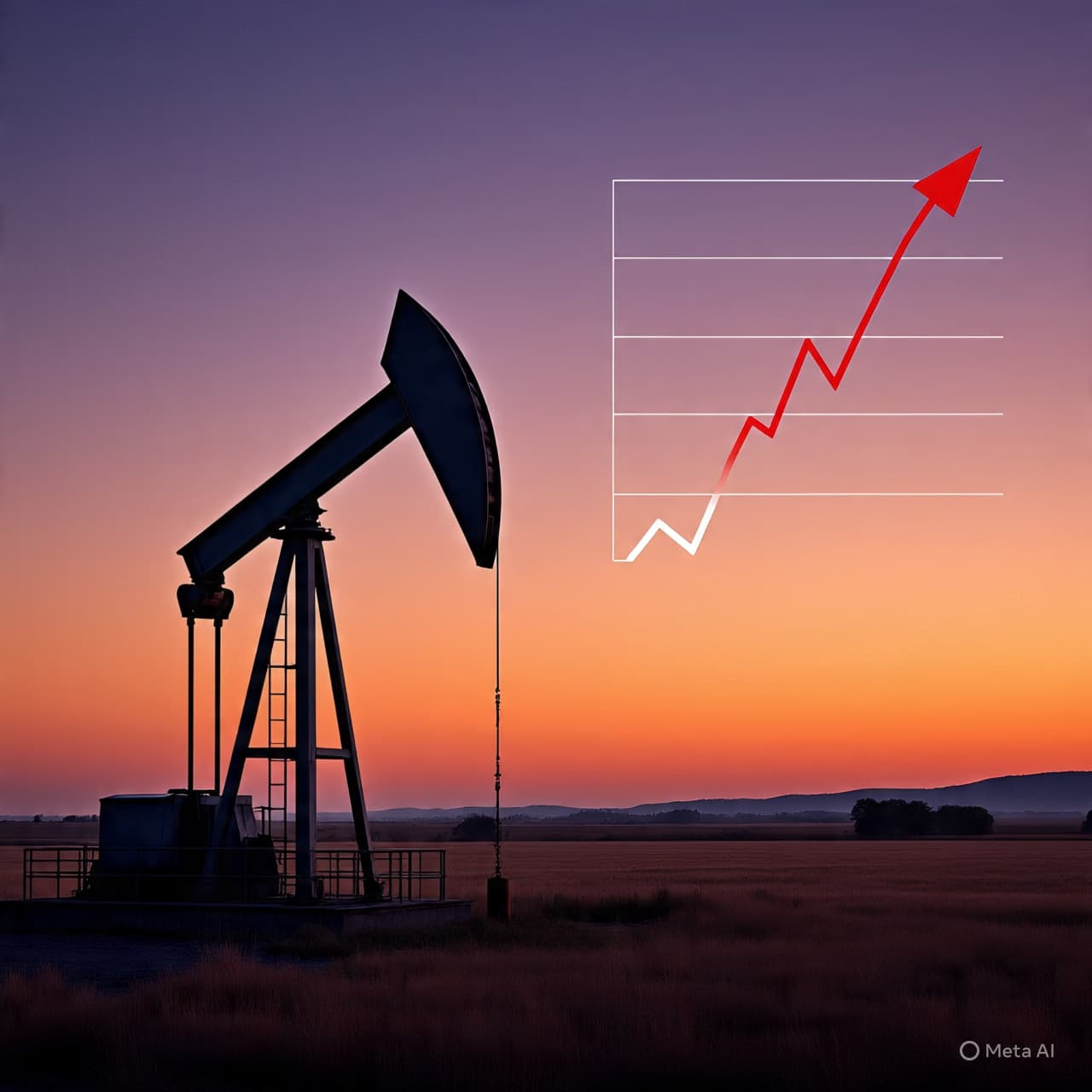
- Oil prices have surged above $90 per barrel due to escalating tensions involving Iran.
- The Middle East's geopolitical landscape significantly impacts global energy markets.
- Higher oil prices could complicate inflation management for governments worldwide.
The global financial landscape is once again feeling the tremors of geopolitical unrest, particularly as oil prices have surged above the $90-per-barrel mark. This increase is largely attributed to escalating tensions involving Iran, which have sent ripples through energy markets and raised concerns about potential disruptions in supply. Traders and analysts are closely monitoring the situation, as the implications of rising oil prices extend far beyond the trading floors of major financial hubs.
The Middle East is a critical player in the global energy system, with vital shipping lanes, including the Strait of Hormuz, facilitating a significant portion of the world's oil exports. When military conflict arises in this region, markets typically respond swiftly, adjusting prices in anticipation of possible disruptions. This pattern is evident as reports of increased military activity in Iran have led to cautious reactions from oil traders, pushing prices upward amid fears that transport routes or production facilities could be impacted.
Energy analysts emphasize that the current rise in oil prices reflects a familiar trend in commodity markets. As geopolitical risks escalate, traders often incorporate a 'risk premium' into prices, accounting for the potential of supply chain interruptions, even in the absence of immediate physical disruptions. This dynamic illustrates how interconnected global markets are, where events in one region can have far-reaching consequences.
The implications of oil prices exceeding $90 per barrel are significant for the broader economy. Higher fuel costs can lead to increased transportation expenses, which in turn affect various industries reliant on energy. As these costs rise, businesses may adjust their pricing strategies, ultimately impacting consumers. For governments, this situation presents a delicate balancing act. Central banks have been striving to manage inflation while fostering economic recovery, and a sustained increase in energy prices could complicate these efforts by exerting additional pressure on consumer prices and supply chains.
However, the market's response is not solely dictated by current events; expectations play a crucial role as well. Analysts caution that oil prices can fluctuate rapidly during periods of uncertainty, potentially retreating just as quickly if tensions ease or if supply remains stable. Global oil producers outside the Middle East, particularly in North America, may ramp up production if prices remain elevated for an extended period, which could help stabilize the market.
Shipping companies and energy firms are also closely monitoring potential risks to transportation routes. The Strait of Hormuz, a narrow waterway through which a substantial share of global oil exports passes daily, remains under scrutiny as tanker traffic is assessed for any potential disruptions.
For consumers, the connection between geopolitical events and everyday life may initially seem abstract. However, the price at the fuel pump or the cost embedded in airline tickets often reflects these distant developments. The rise above $90 per barrel is more than just a numerical milestone; it underscores the delicate interdependence of global markets, where conflict in one region can send ripples through economies thousands of miles away.
As the situation involving Iran continues to unfold, governments, energy companies, and financial institutions are on high alert, watching closely to see whether the current surge in oil prices will stabilize or escalate further. For now, the global economy remains attuned to the signals conveyed by energy prices, navigating the complexities of a world where conflict can swiftly alter economic landscapes.
Published by Banx Network. This article is part of the Banx decentralized media programme, powered by the BXE token on the XRP Ledger.




