
Key Highlights
- Recent missile incident in Poland raises security concerns.
- NATO investigates the origins of the missile strike.
- Ongoing conflict in Ukraine continues to impact regional stability.
In moments of conflict, the sound of distant explosions often carries consequences far beyond the places where they occur. A single strike can send waves of concern across borders, reminding the world that modern conflicts exist within a deeply connected landscape where geography, security, and diplomacy are closely intertwined.
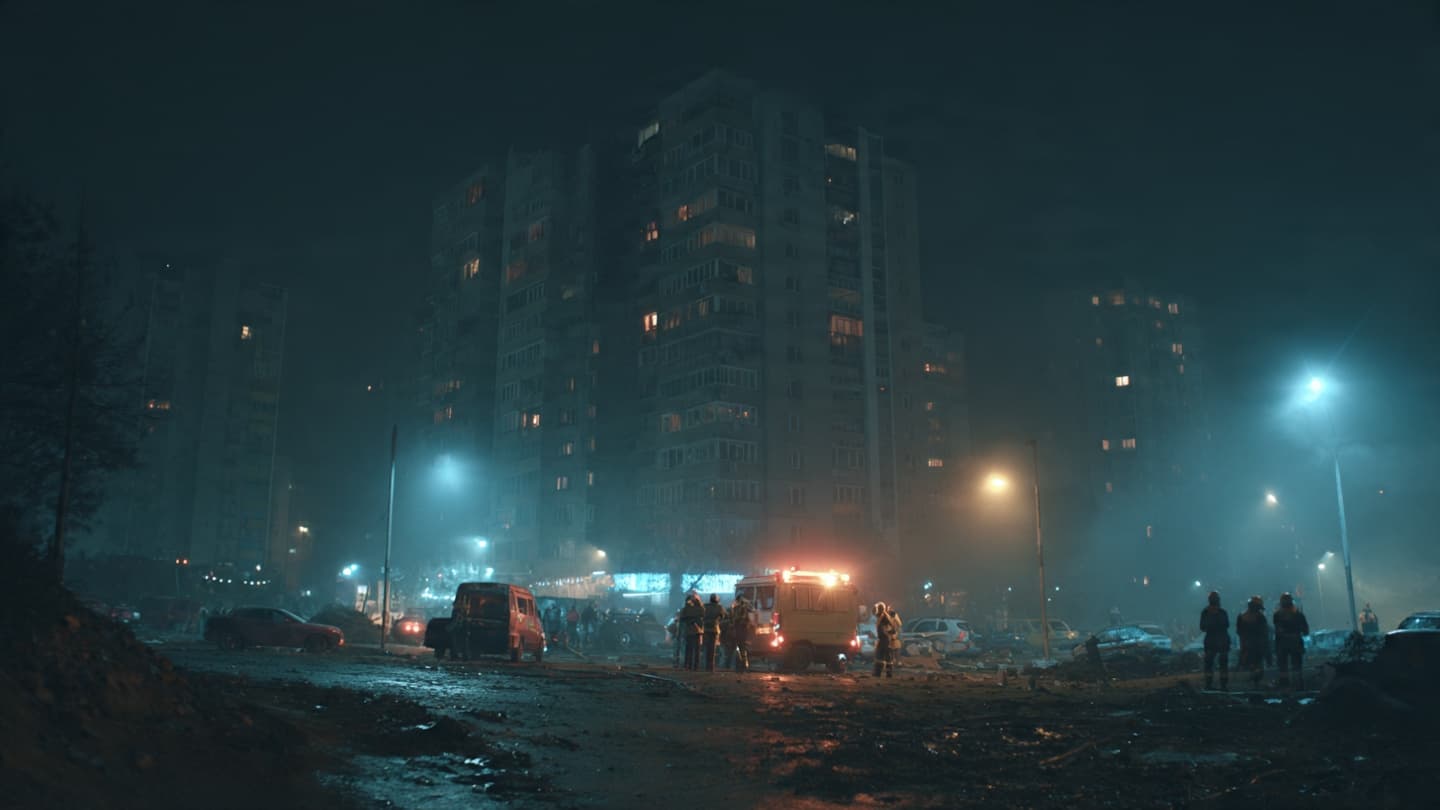
Recently, Russia launched strikes against targets across Ukraine, escalating tensions as NATO addressed reports of a missile that had fallen in Poland, a member of the alliance. This incident drew international attention due to Poland’s strategic location on NATO’s eastern border, placing any cross-border military event under careful scrutiny by allied governments and security officials.
Ukrainian authorities reported that Russian attacks targeted multiple areas, including critical infrastructure, as the war continued into another phase of confrontation. Air defense systems were activated in several regions, while officials assessed the damage and worked to respond to the impact of the strikes. The situation remains fluid, with ongoing assessments of the conflict's ramifications.
Following reports of a missile landing in Poland, NATO Secretary General Jens Stoltenberg and allied officials confirmed that investigations were underway to determine the origin and circumstances surrounding the incident. Early assessments focused on gathering evidence before making final conclusions, reflecting the importance of careful verification during periods of heightened tension. This approach underscores NATO's commitment to a thorough and measured response.
Polish authorities treated the event as a serious security matter, initiating an examination of the circumstances surrounding the missile fall. Officials from NATO member states emphasized the need for coordination and communication while avoiding premature conclusions about responsibility until investigations were complete. This cautious approach is vital in maintaining stability and preventing escalation.
The incident highlighted the delicate balance that has defined Europe’s security environment since Russia’s full-scale invasion of Ukraine began. NATO countries have continued to support Ukraine while also seeking to prevent the conflict from expanding into direct confrontation between the alliance and Russia. The alliance's strategy involves a careful mix of deterrence and diplomacy, aiming to reassure member states while managing the risks of escalation.
Diplomatic channels remained active as governments discussed the situation and reviewed available information. Leaders stressed that maintaining calm communication and relying on verified facts were essential during moments when uncertainty could quickly influence public concern and international relations. The emphasis on diplomacy reflects a broader understanding of the complexities involved in modern conflicts.
As the war continues, each development carries both immediate and wider implications. The strikes in Ukraine and the missile incident in Poland demonstrate how conflicts in one region can create security questions that reach far beyond the battlefield, requiring cooperation, restraint, and careful decision-making. The international community remains vigilant, aware that the stakes are high in this evolving geopolitical landscape.
Published by Banx Network. This article is part of the Banx decentralized media programme, powered by the BXE token on the XRP Ledger.



