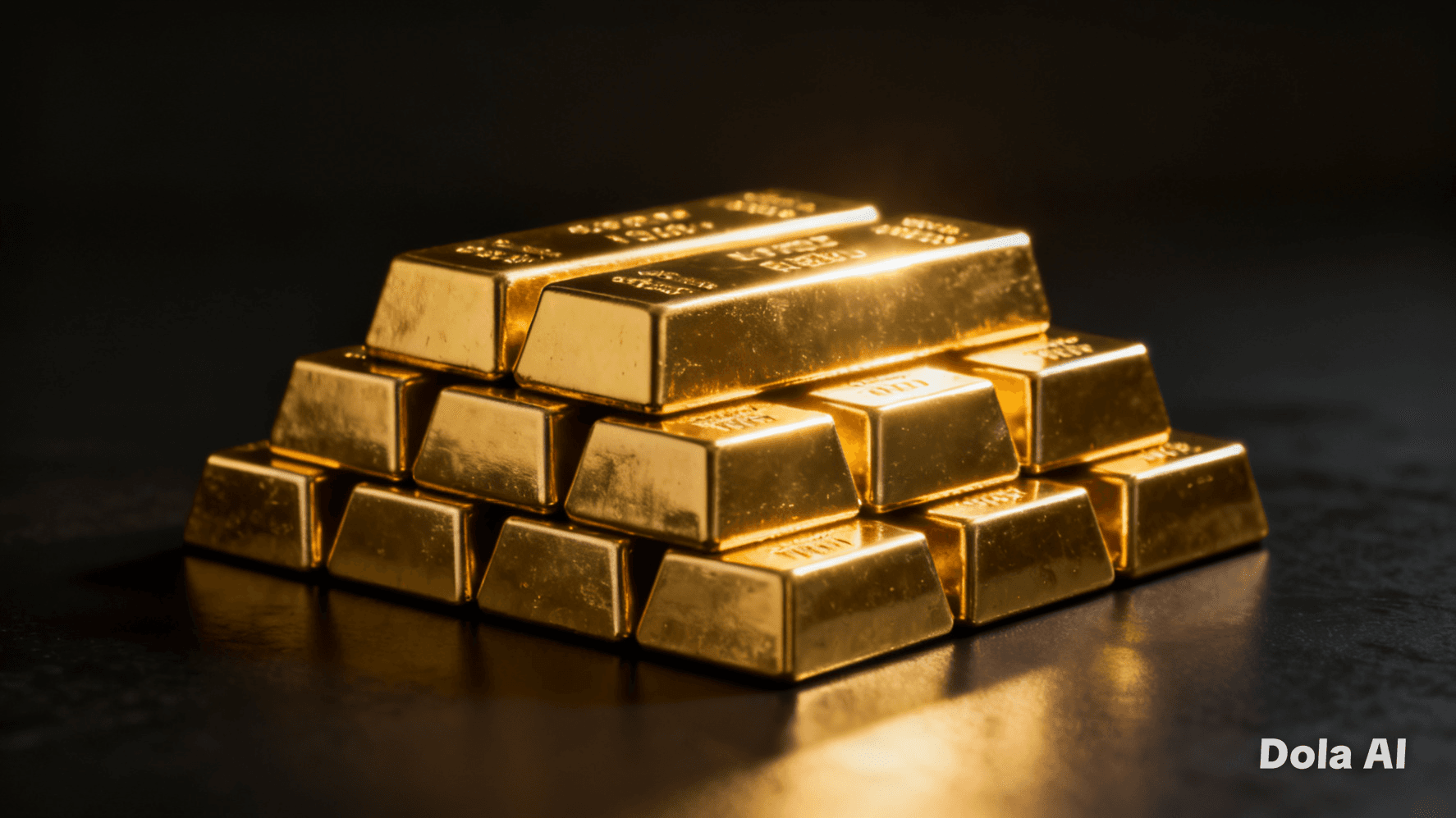
There are moments in financial history when a metal long associated with permanence begins to move with startling urgency. Gold, often described as the quiet refuge of uncertain times, does not usually rush — it accumulates, steadies, and waits. Yet recent market movements suggest a surge that feels less like a gradual tide and more like a sudden swell, as prices reportedly approach the remarkable threshold of US$5,300 per ounce.
The sharp rise reflects a convergence of global pressures that have reshaped investor sentiment. Persistent inflation concerns, geopolitical tensions, and uncertainty surrounding interest rate trajectories have pushed capital toward assets perceived as safe havens. In times of volatility, gold often becomes less a commodity and more a psychological anchor — a store of value amid shifting currencies and fragile confidence.
Currency fluctuations have also contributed to the surge. A weakening U.S. dollar can make gold more attractive to international buyers, increasing demand and lifting prices. Meanwhile, central bank purchasing activity has remained strong in recent years, with several countries increasing gold reserves as part of diversification strategies aimed at reducing reliance on foreign currencies.
Market analysts note that rising sovereign debt levels and ongoing geopolitical frictions have amplified demand for hard assets. Investors seeking protection against financial system shocks frequently turn to gold as a hedge against systemic risk. Exchange-traded funds tied to bullion prices have also seen renewed inflows, reflecting heightened interest from institutional and retail investors alike.
The approach toward US$5,300 — if sustained — represents a historic psychological milestone, far beyond traditional price bands observed over past decades. While short-term volatility remains possible, momentum-driven buying can intensify upward trends when technical resistance levels are breached.
However, rapid price escalation carries inherent risks. Elevated valuations may invite profit-taking, triggering corrections once macroeconomic signals stabilize. Interest rate adjustments by major central banks could also influence gold’s trajectory, as higher yields on bonds often reduce the metal’s relative appeal. For long-term investors, the challenge lies in distinguishing structural demand from short-term speculative momentum.
In emerging markets, rising gold prices hold dual implications. While investors may benefit from asset appreciation, consumers face higher costs for jewelry and cultural purchases. In regions where gold plays both financial and ceremonial roles, price surges reverberate beyond markets into social traditions and household economics.
Gold’s enduring allure lies in its paradox: it is both ancient and responsive, static yet sensitive to the anxieties of each era. When its price accelerates, it reflects not only market dynamics but collective sentiment about risk, stability, and the future.
Whether the surge marks a temporary spike or a new plateau remains uncertain. Yet in the gleam of rising prices, one can glimpse a familiar pattern: when confidence trembles, the world turns once more to something that appears unchanging — even as its value climbs to unprecedented heights.
AI Image Disclaimer Graphics are AI-generated and intended for representation, not reality.
Sources : Reuters Bloomberg CNBC Financial Times MarketWatch
Published by Banx Network. This article is part of the Banx decentralized media programme, powered by the BXE token on the XRP Ledger.