In the early hours before markets fully awaken, trading screens often glow in a kind of quiet anticipation. Numbers move slowly, futures contracts shift by fractions, and the global financial system prepares for another day of motion. It is a moment suspended between night and the rush of the trading session, when sentiment can feel as delicate as the thin line between optimism and doubt.
On such mornings, the mood of markets sometimes reflects something larger than economics alone.
Recently, U.S. stock futures have moved with a noticeable restraint as traders reconsider expectations that a major geopolitical conflict might soon draw to a close. Earlier hopes that negotiations or political developments could quickly bring the fighting to an end had briefly lifted sentiment across global markets. For a time, investors allowed themselves to imagine a horizon where tensions might ease and uncertainty might retreat.
But that conviction has softened.
As new developments emerged and the path toward resolution appeared less certain, traders began adjusting their outlook. In financial markets, expectations often move as swiftly as prices themselves. Confidence in a near-term diplomatic breakthrough had supported risk appetite in previous sessions, but the fading of that expectation has introduced a more cautious tone.
Futures tied to major U.S. stock indexes have therefore traded in muted fashion, reflecting a pause rather than a decisive shift. Such movements are rarely dramatic on their own. Instead, they signal the careful recalibration of sentiment as investors weigh political developments alongside economic indicators.
Markets have long responded to the rhythms of geopolitics. Wars, ceasefires, negotiations, and shifting alliances can ripple outward through commodities, currencies, and equity markets alike. Energy prices may react first, followed by the cautious repositioning of capital across sectors sensitive to global stability.
In the present moment, investors appear to be navigating a familiar tension: the desire for clarity against the reality that geopolitical conflicts rarely resolve on predictable timelines. Financial markets prefer horizons that can be measured in quarters and fiscal years. War, by contrast, unfolds according to far less orderly clocks.
The result is often a landscape of measured movement rather than sharp reaction. Traders watch headlines closely, policymakers monitor the broader economic impact, and institutions adjust positions gradually as each new signal emerges.
For now, the market’s posture reflects a kind of quiet recalibration. The earlier optimism surrounding a rapid end to the conflict has cooled, leaving traders to reassess their expectations while keeping one eye on the steady flow of geopolitical news.
U.S. stock futures were subdued as investors reassessed expectations that the ongoing war could end soon, with markets awaiting further developments.
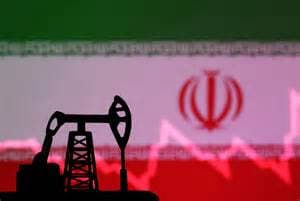
AI Image Disclaimer These visuals are AI-generated illustrations created to represent financial market activity.
Source Check Bloomberg Reuters CNBC Financial Times The Wall Street Journal
Published by Banx Network. This article is part of the Banx decentralized media programme, powered by the BXE token on the XRP Ledger.