
Key Highlights
- Indonesia's President Prabowo Subianto expresses concern over stalled infrastructure projects.
- Delays attributed to budget constraints and administrative issues.
- Global diplomatic tensions, particularly between the U.S. and Iran, impact Indonesia's economic landscape.
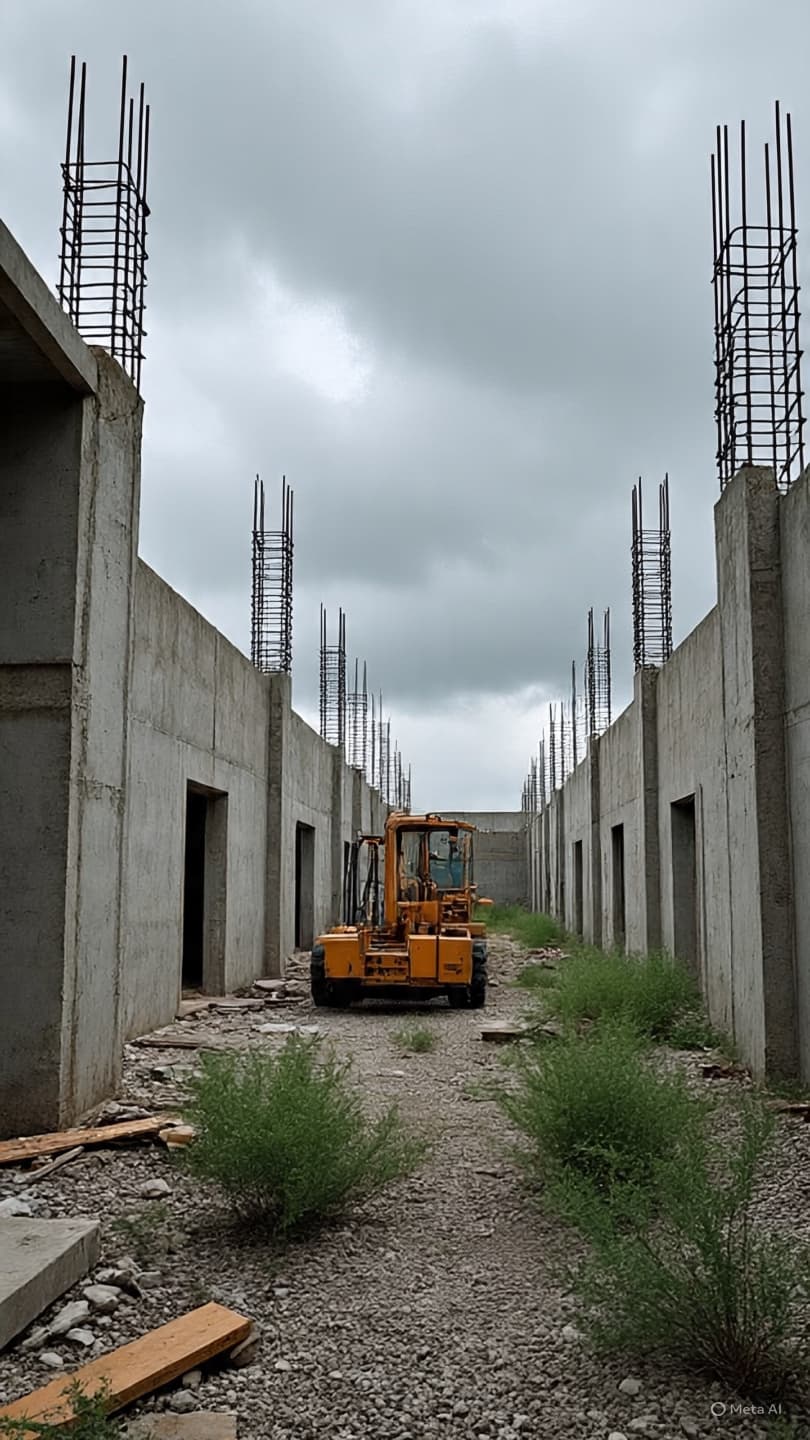
Indonesia is currently grappling with a significant challenge: numerous unfinished infrastructure projects that stand as stark reminders of halted ambition and inefficiency. President Prabowo Subianto has publicly voiced his concerns regarding these stalled developments, which were once envisioned as vital components of the nation’s growth strategy. His remarks highlight a growing urgency for accountability and improved coordination between central and regional authorities to address these pressing issues.
Over the past decade, Indonesia has made substantial investments in infrastructure, focusing on roads, ports, and public facilities. However, many of these projects have encountered significant delays due to various factors, including budget constraints, land acquisition challenges, and bureaucratic bottlenecks. As a result, unfinished structures now dot the landscape, serving as physical reminders of the inefficiencies that plague the planning and execution phases of development.
In response to these challenges, government officials have acknowledged the need for a renewed focus on evaluating ongoing projects. There is a concerted effort to identify which initiatives can be revived, restructured, or, if necessary, discontinued. This approach emphasizes not only the completion of construction but also the long-term usability and economic relevance of these projects, ensuring they serve their intended purpose in the future.
Simultaneously, the global stage is witnessing a shift in diplomatic engagement, particularly between the United States and Iran. Reports indicate that both nations are preparing for another round of negotiations aimed at easing longstanding tensions. While these discussions may seem distant from Indonesia, they hold significant implications for global markets and geopolitical stability, which can indirectly affect Indonesia’s economic landscape.
The complex history between the U.S. and Iran, marked by decades of mistrust, has seen recent signals of renewed talks that suggest a pragmatic recognition of shared interests. Areas such as nuclear oversight and regional security are at the forefront of these discussions. Observers note that while these negotiations are fragile, they could influence energy markets and international trade flows, which are crucial for Indonesia's economic planning.
As a member of the global community, Indonesia remains vigilant regarding these developments. Stability in the Middle East often correlates with fluctuations in oil prices and supply chains—factors that have direct consequences on domestic economic strategies. Thus, the intersection of local infrastructure concerns and global diplomatic dynamics creates a complex narrative of interconnected challenges that the Indonesian government must navigate.
In balancing these dual realities, the Indonesian government demonstrates a commitment to addressing domestic inefficiencies while remaining attuned to international shifts. This dual responsibility underscores the importance of continuity in both infrastructure development and diplomatic engagement. As unfinished buildings await completion and negotiations seek resolution, the overarching theme remains clear: progress in any form requires a willingness to reassess, revisit, and move forward with clarity and purpose.
Images in this article are AI-generated illustrations, meant for concept only.
Published by Banx Network. This article is part of the Banx decentralized media programme, powered by the BXE token on the XRP Ledger.



