At the break of dawn in rural Alabama, a silent revolution quietly took shape — not with the thud of heavy machinery, but the hum of robotic arms layering concrete, layer by layer, until walls rose where none had been. In a world where construction often means months of labor, noise, and waste, a new rhythm has begun: measured, precise, efficient. That rhythm belongs to 3D printing.
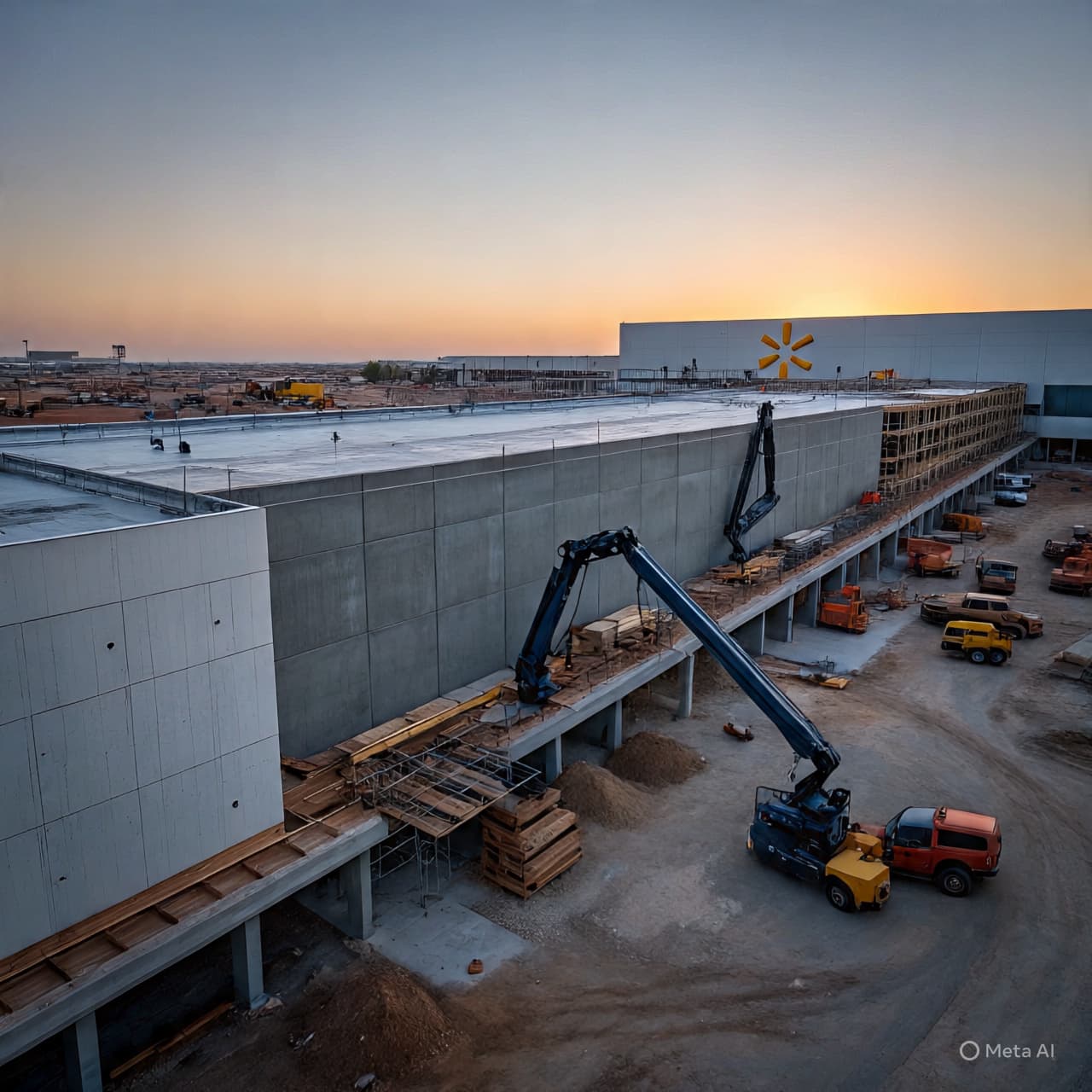
Retail giant Walmart and construction-technology firm Alquist 3D have completed a landmark project: a 5,000-square-foot expansion at a Supercenter in Owens Cross Roads, Alabama, constructed using 3D concrete printing (3DCP). In just seven working days — 75 operational hours — a five-person crew, guided by two robotic 3DCP systems, printed 16-foot-high structural walls for the store’s pickup-and-delivery section.
The achievement marks more than a clever pilot. It signals a turning point — a moment when 3D printing steps beyond experimental builds and into mainstream commercial real estate. Under a new partnership model, Alquist, together with partners FMGI, Inc. and Hugg & Hall Equipment Company, plans a nationwide rollout of 3D-printed construction for retail, leasing its proprietary A1X printers to contractors across the United States.
Why does such a shift matter? Traditional commercial construction — think masonry, blocks, manual labor — is time-consuming, material-intensive, and often wasteful. In contrast, 3DCP slashes build times, reduces waste, and lowers labor needs. In Walmart’s Alabama project, the 3D-printed walls reportedly cost 15% less than conventional methods and generated 55% less waste.
Beyond cost and speed, the technology promises consistency and resilience. Robotic printing avoids many hazards of manual masonry — fewer workers on scaffolding, fewer errors. The concrete mix used, supplied by a specialized manufacturer, is designed to cure quickly yet maintain structural integrity, even in varied weather and site conditions.
For a behemoth retailer like Walmart — with thousands of stores nationwide and constant demand for remodels, expansions, or reconfiguration — 3D printing offers a way to scale fast, reduce disruption, and optimize costs. But the implications go beyond retail walls: this technology could reshape how commercial real estate is built, whether retail, warehouses, or even public infrastructure.
Still, it isn’t magic. Earlier projects — like an 8,000-square-foot 3D-printed addition at a Walmart store in Tennessee — took longer and faced challenges related to weather, materials, and logistics. But with each build, lessons are learned: printing processes refined, materials optimized, workflows improved. The Alabama build’s success is in part thanks to that learning curve.
As Alquist scales up — with a national rollout of dozens of 3D-printed commercial projects planned — the construction industry watches closely. If this experiment holds, the ripple effects could be vast: shorter project timelines, lower costs, less waste, and a rethinking of what real estate construction looks like in the 21st century.
Walmart and Alquist’s deal may well prove a fulcrum — tipping the balance from old-school bricks and mortar to streamlined, robot-powered layers of concrete. The future, it appears, is being printed.
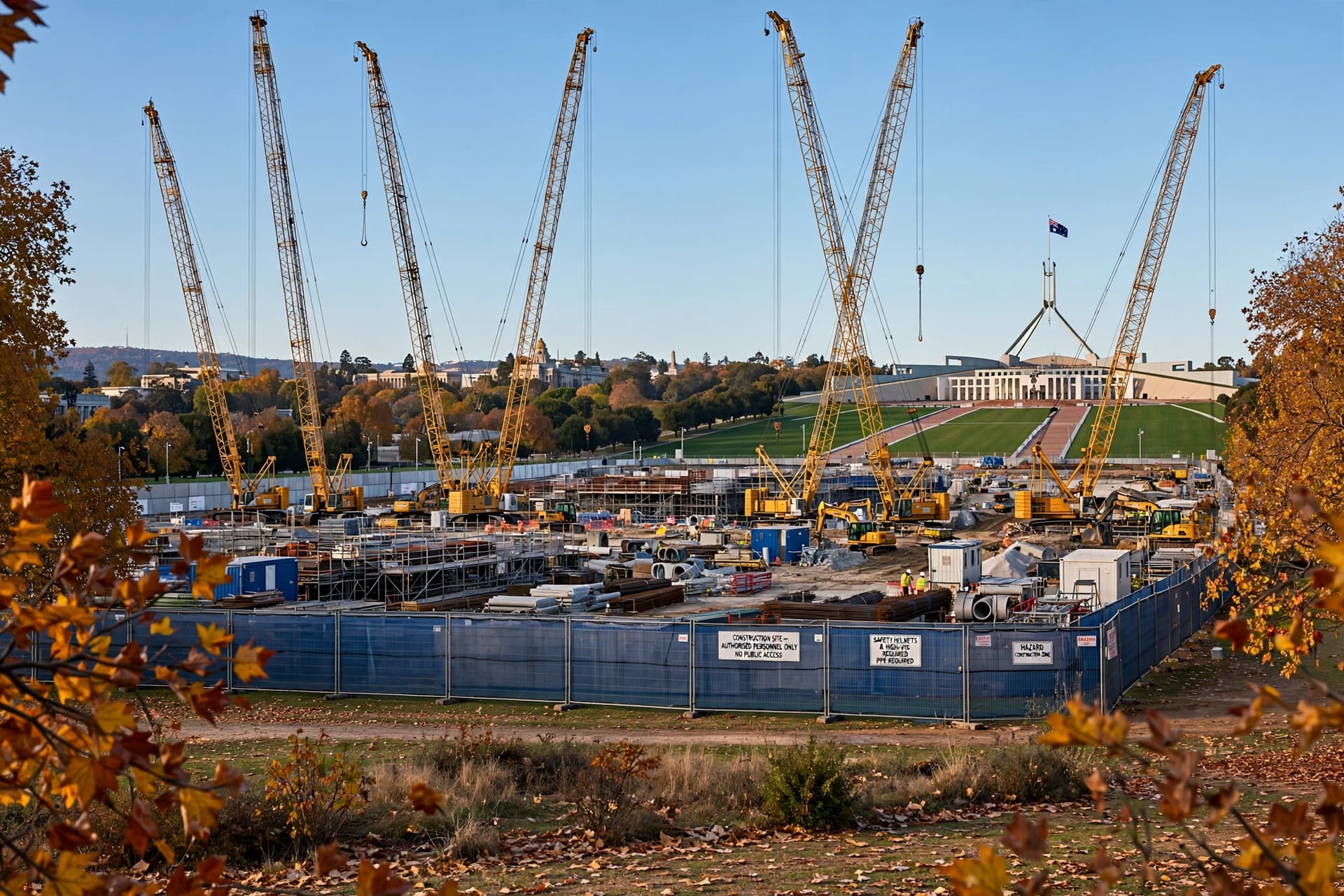
AI Image Disclaimer Visuals are generated with AI tools and serve as conceptual representations, not actual photographs.
Sources Business Wire, Design & Development Today, Manufacturing Dive, Retail Technology Innovation Hub, ConstructionOwners
Published by Banx Network. This article is part of the Banx decentralized media programme, powered by the BXE token on the XRP Ledger.