Personal computers have long been companions in everyday life. From writing documents to managing businesses, they have quietly supported countless tasks across generations. Yet as technology continues to evolve, the role of the computer itself appears to be changing. Nvidia’s latest announcement offers a glimpse into that emerging future.
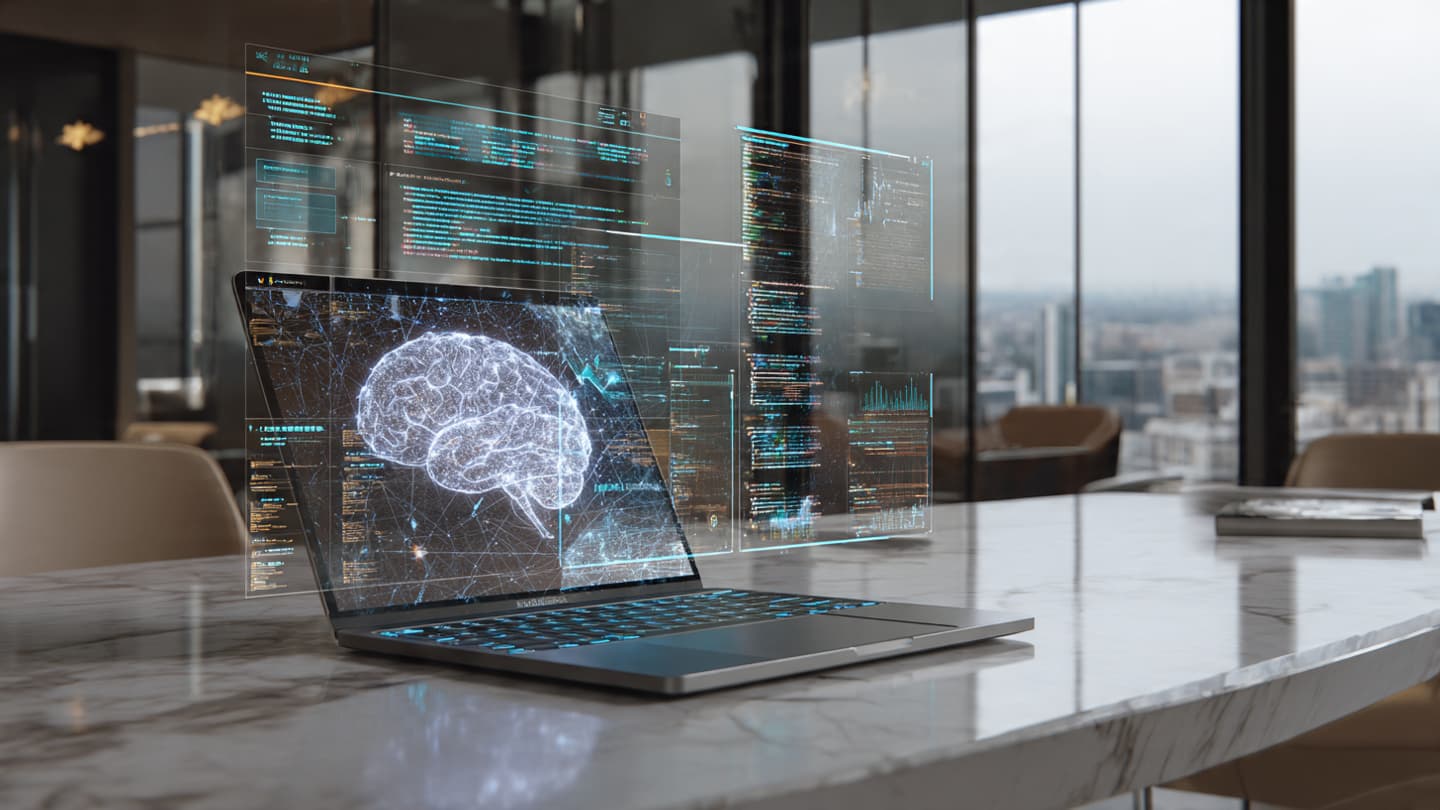
The company introduced a new generation of AI-focused chips designed specifically for Windows laptops and desktop systems. The technology aims to bring advanced artificial intelligence capabilities directly onto personal devices, reducing dependence on cloud-based services for many computational tasks.
For years, artificial intelligence has largely operated behind the scenes through remote servers and data centers. Users often interacted with AI applications without considering the vast infrastructure supporting them. Nvidia’s approach seeks to shift some of that intelligence closer to the individual user.
According to the company, AI-powered PCs will be capable of handling sophisticated workloads such as content generation, data analysis, software development assistance, and advanced productivity functions. These tasks can potentially be performed faster and with greater privacy when processed locally.
The launch also reflects a broader industry trend. Major technology companies are investing heavily in hardware designed to support artificial intelligence. Competition has intensified as firms race to establish leadership in what many analysts view as the next major computing cycle.
For consumers, the concept of an AI PC extends beyond technical specifications. The goal is to create devices that can understand context, assist with complex projects, and automate routine activities. Rather than simply responding to commands, future systems may actively help users accomplish objectives more efficiently.
Manufacturers are expected to integrate the new technology into a range of products over the coming months. Laptop makers, software developers, and enterprise technology providers are closely watching how the market responds to these developments.
Adoption, however, may depend on practical value. Consumers often evaluate new technologies based on tangible benefits rather than technical innovation alone. The success of AI PCs could ultimately be determined by how seamlessly they improve everyday experiences.
Industry observers note that computing has repeatedly reinvented itself throughout history. From desktop machines to mobile devices and cloud platforms, each transition has reshaped expectations about how technology should function.
Nvidia’s latest initiative suggests that another transition may already be underway. If successful, the personal computer of the future may become more than a tool—it may become an intelligent partner capable of assisting users in increasingly sophisticated ways.
AI Image Disclaimer Visuals are created with AI tools and are not real photographs.
Sources Associated Press Nvidia Financial Times TechCrunch The Guardian
Published by Banx Network. This article is part of the Banx decentralized media programme, powered by the BXE token on the XRP Ledger.