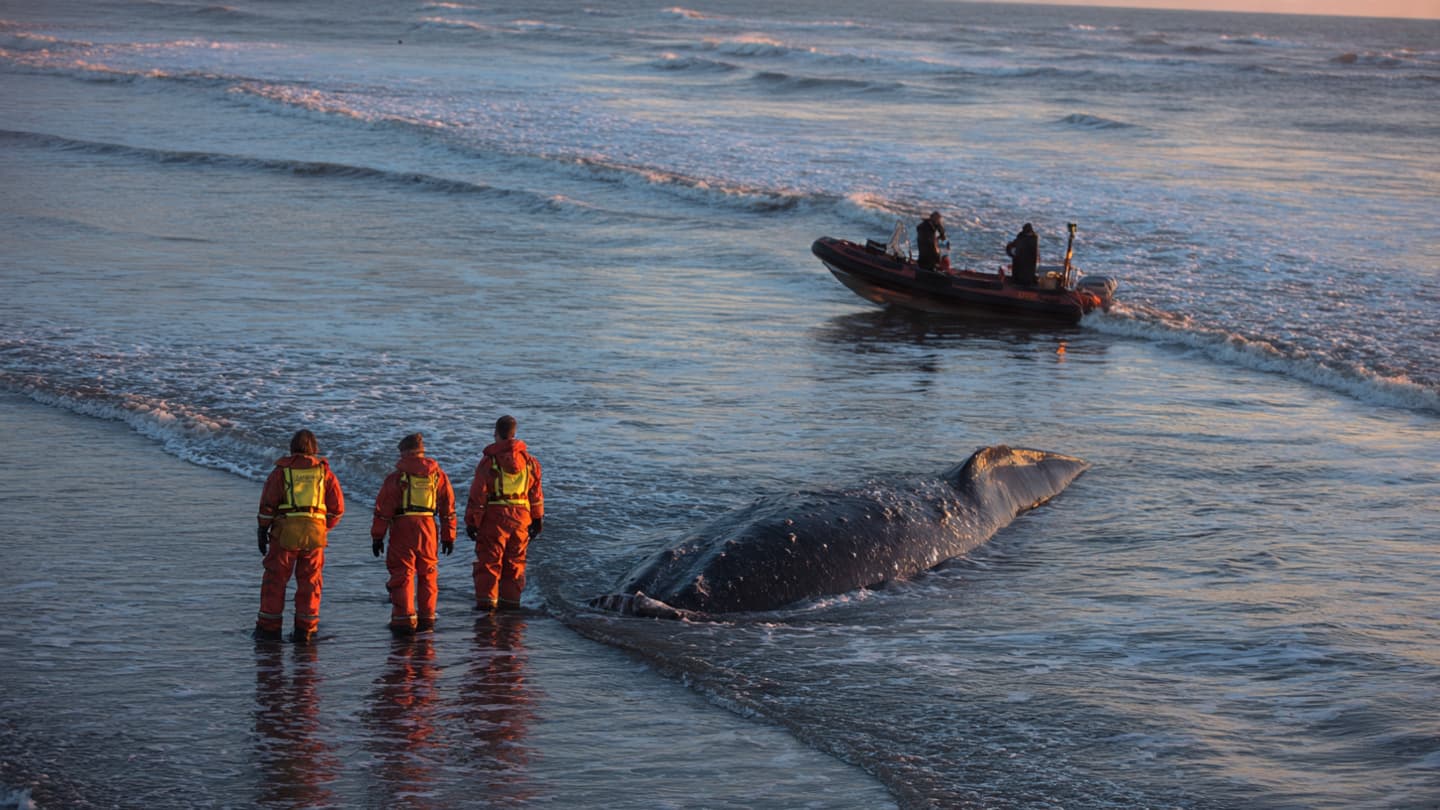
In the quiet rhythm of the sea, where human intention meets the unpredictable language of marine life, a single decision can ripple far beyond the moment it is made. The case of whale “Timmy” has become one such moment, drawing attention not only to the animal itself but also to the emotional weight carried by those tasked with making urgent rescue choices.
The German minister at the center of the discussion has defended what was described as a “perfectly human” decision to authorize an attempted rescue operation for the stranded whale known as Timmy. The situation unfolded amid growing public attention, as marine experts and rescue teams evaluated the animal’s condition and the feasibility of intervention.
In coastal conservation efforts, such moments often sit at the intersection of urgency and restraint. Rescuing large marine mammals is rarely straightforward, and each action must balance animal welfare, human safety, and environmental constraints. Officials reportedly faced limited windows of time to act, a factor that intensified the scrutiny surrounding the decision.
Supporters of the rescue attempt have framed the move as an expression of compassion, emphasizing that imperfect outcomes are sometimes unavoidable when responding to distressed wildlife. The minister’s remarks underscored the idea that such decisions are made under pressure, where clarity is often clouded by rapidly changing conditions.
Critics, however, have raised questions about whether intervention was the best course of action, pointing to the inherent risks involved in large-scale marine rescues. These debates reflect a broader ongoing conversation in conservation ethics about when to intervene and when to allow natural processes to unfold.
Marine specialists note that whale strandings can occur due to a range of factors, including illness, disorientation, or environmental disruption. Each case is unique, making standardized responses difficult and often requiring real-time judgment calls by authorities on the scene.
Regardless of differing perspectives, the incident has renewed public interest in marine conservation practices and the emotional complexity faced by those working in the field. It highlights how human empathy and scientific caution must often operate side by side in uncertain conditions.
Authorities have confirmed that reviews of the rescue attempt are ongoing, with further assessments expected to inform future marine response strategies.
AI Image Disclaimer: Images associated with this article are AI-generated illustrations created for editorial visualization purposes only.
Sources: Reuters, BBC News, Associated Press, Deutsche Welle
Published by Banx Network. This article is part of the Banx decentralized media programme, powered by the BXE token on the XRP Ledger.