
Key Highlights
- Trump Criticism:U.S. President Donald Trump criticized UK Prime Minister Sir Keir Starmer, stating he is 'not Winston Churchill' in his military approach.
- Historical Context:The comparison to Churchill reflects ongoing debates about leadership styles in modern geopolitics.
- Public Sentiment:Starmer's cautious stance aligns with public opinion and parliamentary traditions in the UK.
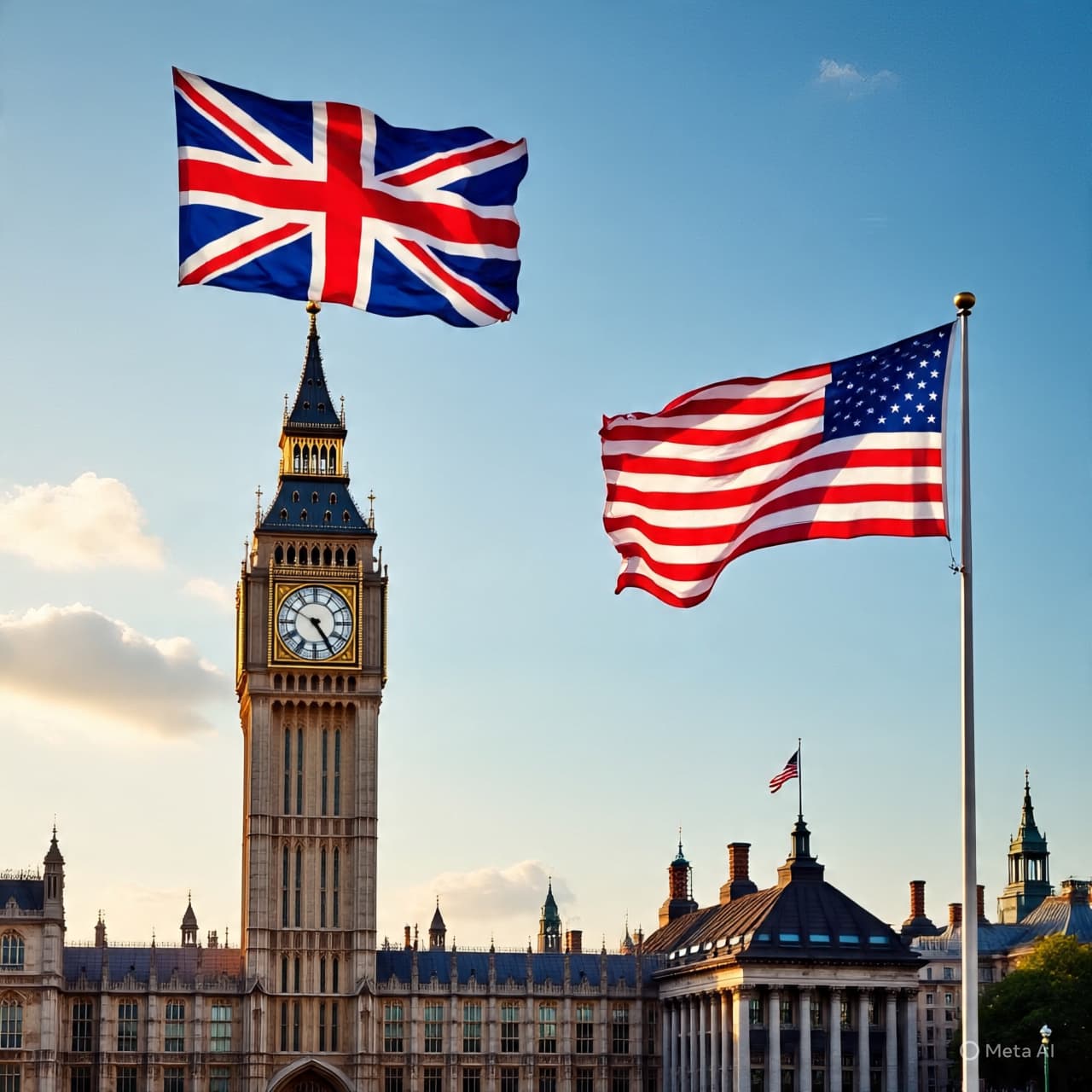
In recent remarks, U.S. President Donald Trump publicly criticized British Prime Minister Sir Keir Starmer, asserting that Starmer is 'not Winston Churchill' in his approach to military engagement amid the ongoing conflict involving Iran. This statement, made during a period of heightened tensions, underscores the complexities of modern leadership and the historical legacies that inform current political discourse.
Churchill, often revered as a symbol of wartime resolve, represents a standard against which contemporary leaders are sometimes measured. Trump's comments came in response to Starmer's initial hesitance to fully support U.S.-led military actions, including the use of British bases for operations. This comparison not only highlights the expectations placed on leaders during crises but also reflects a yearning for decisive action reminiscent of Churchill's era.
Starmer's government has faced scrutiny for its cautious approach, which some interpret as a lack of resolve. However, Downing Street has emphasized that this strategy is rooted in a careful consideration of national interests, legal frameworks, and public sentiment. The British Prime Minister's advisers have reiterated that the 'special relationship' between the UK and the U.S. does not necessitate blind allegiance, but rather a thoughtful alignment of actions based on mutual interests.
The context of Starmer's leadership is crucial to understanding his decisions. In a world where public opinion plays a significant role in shaping policy, Starmer's approach reflects the nuanced views of the electorate, many of whom express reservations about direct military involvement. His leadership style, characterized by caution and reflection, aligns with the traditions of British parliamentary democracy, which values accountability and deliberation over impulsive action.
Support for Starmer's stance has emerged from various sectors, including the defense community. A former NATO commander defended the Prime Minister's measured judgment, arguing that strategic patience is essential in contemporary geopolitics. This perspective suggests that while bold decisiveness was critical during Churchill's time, today's leaders must navigate a landscape shaped by international law, media scrutiny, and the need for multilateral consensus.
The broader implications of Trump's comparison to Churchill reveal much about the evolving nature of global leadership. The historical lens through which we view current events can sometimes obscure the complexities of modern statecraft. Starmer's leadership is not merely a reaction to historical figures but a response to the intricate demands of a world that requires leaders to balance moral, legal, and strategic considerations.
Ultimately, the invocation of Churchill in contemporary political discourse serves as a reminder of the enduring impact of historical narratives on current events. While the past informs our understanding of leadership, it is essential to recognize that each era presents unique challenges that require tailored responses. Starmer's cautious and reflective approach may not fit the mold of wartime decisiveness, but it is a necessary adaptation to the realities of today's interconnected world.
Published by Banx Network. This article is part of the Banx decentralized media programme, powered by the BXE token on the XRP Ledger.



