
Key Highlights
- France has expanded cooling centers to combat extreme heat.
- Vulnerable populations benefit from access to temperature-controlled environments.
- Community organizations play a vital role in supporting residents during heatwaves.
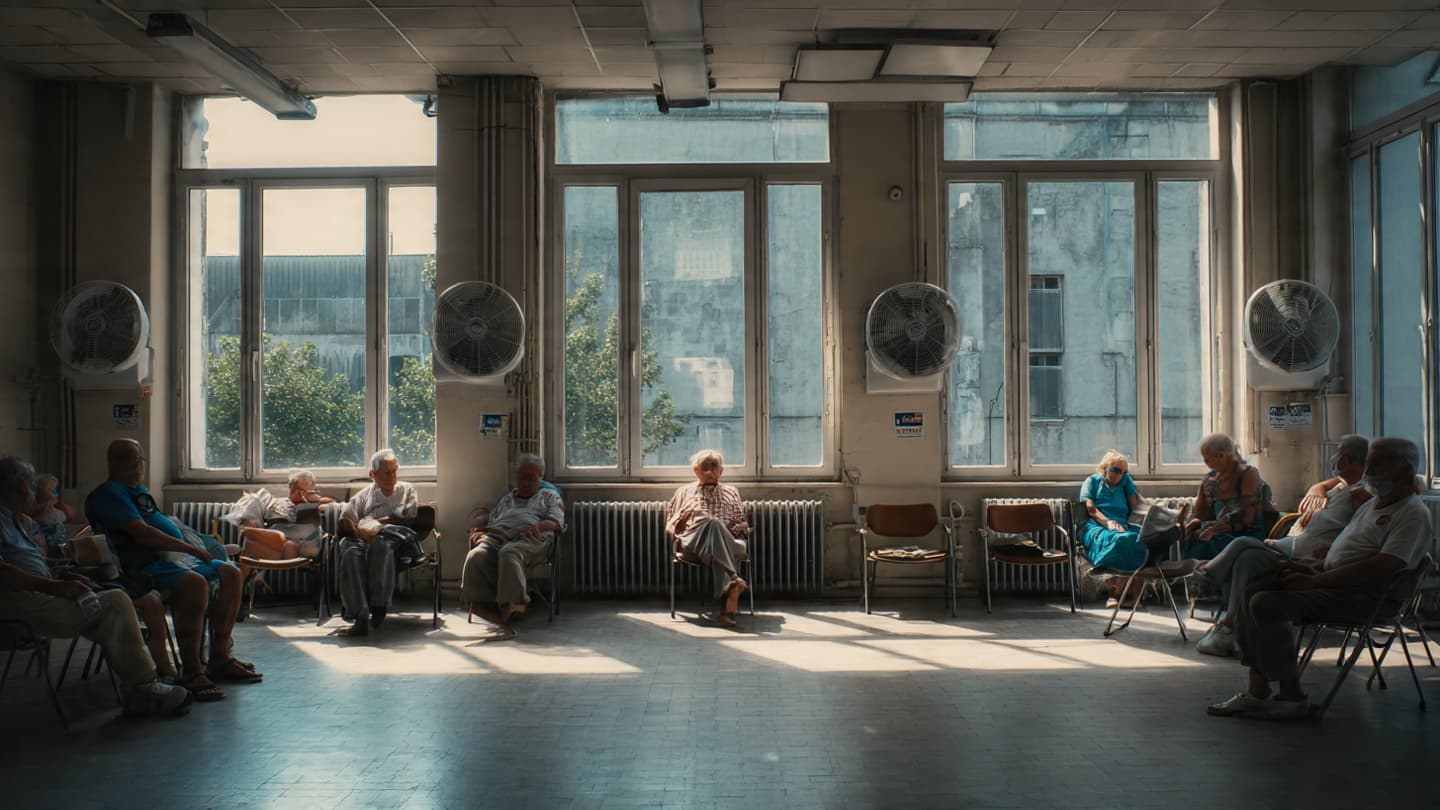
As temperatures soar beyond seasonal norms, communities across France are stepping up to provide refuge from the heat. Municipalities have implemented cooling centers, transforming public spaces such as libraries, community centers, and sports facilities into havens for those seeking relief from the sweltering conditions. These initiatives are part of a broader strategy to protect residents from the adverse effects of prolonged heatwaves, which have become increasingly common in recent years.
Cooling centers serve as essential resources for individuals who may lack adequate cooling options at home. Elderly residents, those with chronic health conditions, and individuals living in apartments without air conditioning are particularly vulnerable during heatwaves. For many, spending just a few hours in a controlled environment can significantly alleviate the discomfort and health risks associated with extreme heat.
Local authorities have made concerted efforts to ensure that these cooling centers are accessible and well-publicized. Many facilities have extended their operating hours to accommodate residents seeking refuge during the hottest parts of the day. Information campaigns have been launched to guide residents to these locations, emphasizing the importance of utilizing available resources.
Healthcare professionals have voiced strong support for the establishment of cooling centers. Extreme heat can impose severe stress on the body, especially among vulnerable populations. Access to cooler environments is crucial in mitigating risks such as dehydration, heat exhaustion, and other serious health complications. As such, these centers play a vital role in public health strategies aimed at safeguarding community well-being during heatwaves.
Community organizations and volunteers have also been instrumental in facilitating access to cooling centers. In various regions, transportation assistance has been organized for residents who may struggle to reach these facilities. This collaborative effort highlights the importance of public services and local engagement in addressing the challenges posed by extreme weather conditions.
The growing recognition of cooling centers reflects a shift in municipal planning as heatwaves become more frequent across Europe. Planners view these facilities as practical solutions that can be quickly mobilized in response to dangerous temperature spikes. Their increasing presence underscores a commitment to enhancing community resilience in the face of climate change.
Visitors to cooling centers often report a sense of relief that transcends mere physical comfort. These spaces foster social interaction, provide access to vital information, and offer reassurance during periods of unusual weather. For individuals living alone, cooling centers can also serve as a means of reducing isolation, creating a sense of community amid challenging circumstances.
Environmental researchers emphasize that adaptation measures like cooling centers will be crucial as climate conditions continue to evolve. While long-term strategies focus on infrastructure and sustainability, immediate solutions are essential for protecting public health during extreme events. The success of these initiatives hinges on public awareness and community involvement.
As France endures another week of intense heat, cooling centers remain open across many regions, exemplifying how communities can collectively respond to environmental challenges. These centers not only provide comfort and protection but also reinforce the notion that addressing heatwave impacts is a shared responsibility among institutions and residents alike.
Published by Banx Network. This article is part of the Banx decentralized media programme, powered by the BXE token on the XRP Ledger.



