In the soft hush of winter trade winds, a different kind of announcement rippled through East Asia — one that did not arrive with fanfare or ceremony, but with the measured cadence of bureaucracy. From Beijing, a statement emerged: twenty Japanese entities had been placed on a dual-use export control blacklist, a register that lives somewhere between policy and signal.
For the ordinary observer, a list of company names might seem an abstraction — another ledger entry in the long record of economic relations between two powers whose histories are as interwoven as they are wary. Yet in the language of international commerce, the act of naming carries weight. Each inclusion on the list marks an intersection of technology, security, and perception — the quiet realization that in today’s global economy, a shipment of industrial equipment can be as political as it is practical.
The term dual-use suggests a dual reality: technologies that build both bridges and boundaries, that enable progress yet unsettle the delicate balance between innovation and defense. Among those entities named are firms linked to precision machinery, advanced materials, and aerospace components — the invisible architecture of modern industry. To Beijing, the action is an assertion of caution, a declaration that certain transfers can no longer pass unexamined.
In Tokyo, the response was measured but firm. Officials called the decision regrettable, noting its potential to disrupt the mutual dependencies that have defined trade between the two economies for decades. Japan, reliant on certain Chinese resources and itself a vital supplier of industrial know-how, faces the paradox of protest within partnership — a tension familiar to nations whose economies are inseparable even as their politics diverge.
Beyond the formal exchanges, this moment reflects the broader transformation of East Asian trade — from a space of efficiency to one of vigilance. Each regulation, each restriction, is another contour in a region learning to balance its economic interdependence with its strategic caution. Rare earths, microchips, precision metals — these are no longer mere commodities. They are the quiet instruments of diplomacy and defense alike.
For the companies involved, the consequences may unfold in silence: shipments delayed, contracts revised, new compliance teams summoned to interpret shifting rules. For governments, the gesture is another reminder that control of materials and information now defines as much power as possession of land or arms.
And as winter deepens, the list itself becomes more than policy — it becomes metaphor. A reflection of how easily the flow of commerce can turn into the language of caution, how a catalogue of firms can become a map of modern mistrust. The trade winds still blow between China and Japan, but now, they move through a narrower channel, where every exchange must pass under watchful eyes.
AI Image Disclaimer
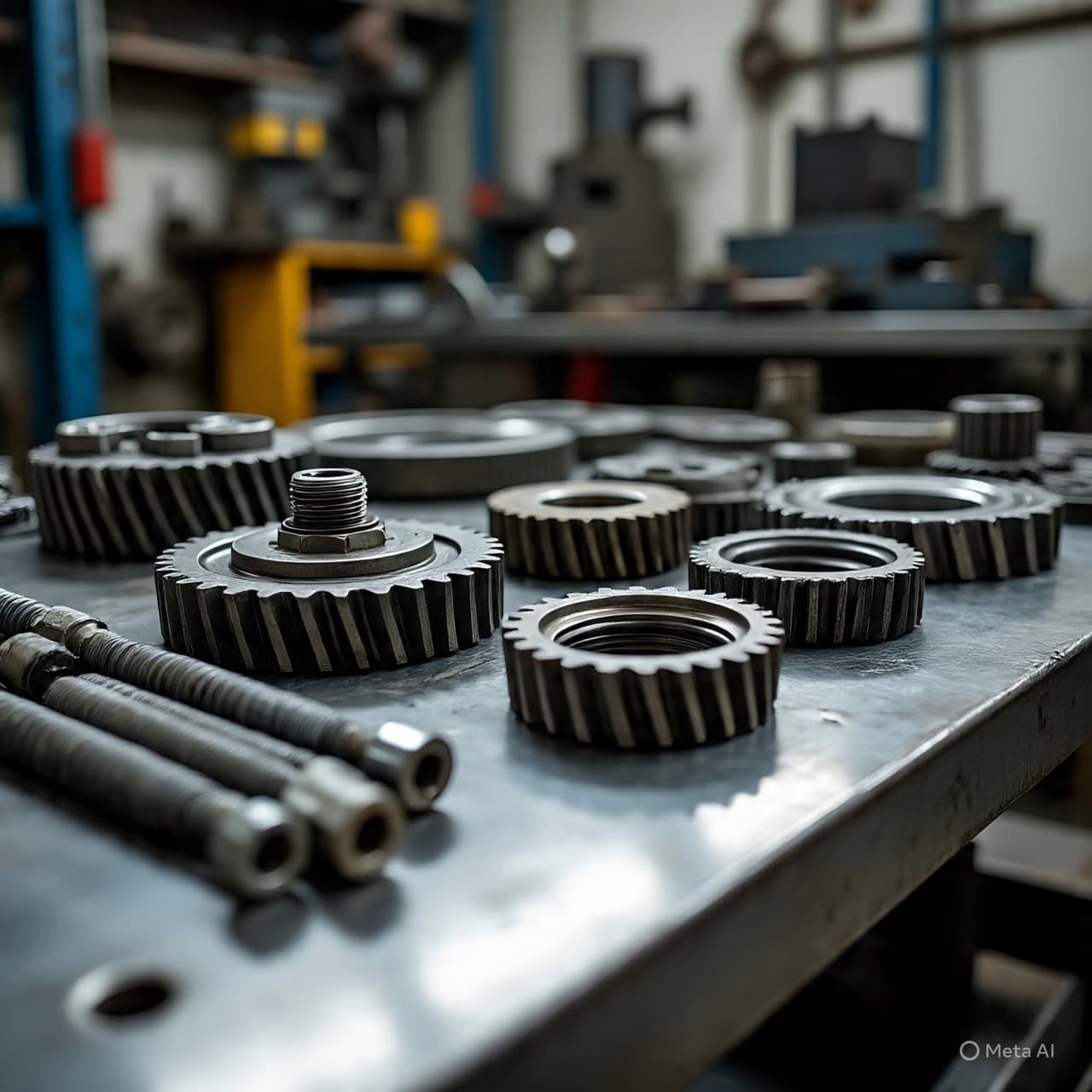
Illustrations were created using AI tools and are not real photographs.
Sources (Media Names Only)
Reuters Associated Press Financial Times Japan Times World Politics Review
Published by Banx Network. This article is part of the Banx decentralized media programme, powered by the BXE token on the XRP Ledger.