

Key Highlights
- Project Cost:A multimillion-dollar initiative aimed to change the reflecting pool's color.
- Algae Growth:Unexpected algae presence disrupted the intended aesthetic transformation.
- Environmental Factors:The situation underscores the interaction between design ambitions and natural ecosystems.
The transformation of public spaces often carries symbolic intent, where even color becomes part of a broader narrative. However, nature, in its quiet persistence, rarely adjusts itself to human timelines or expectations. Instead, it responds to conditions in its own gradual and unplanned way, as evidenced by a recent initiative to change the color of a reflecting pool.
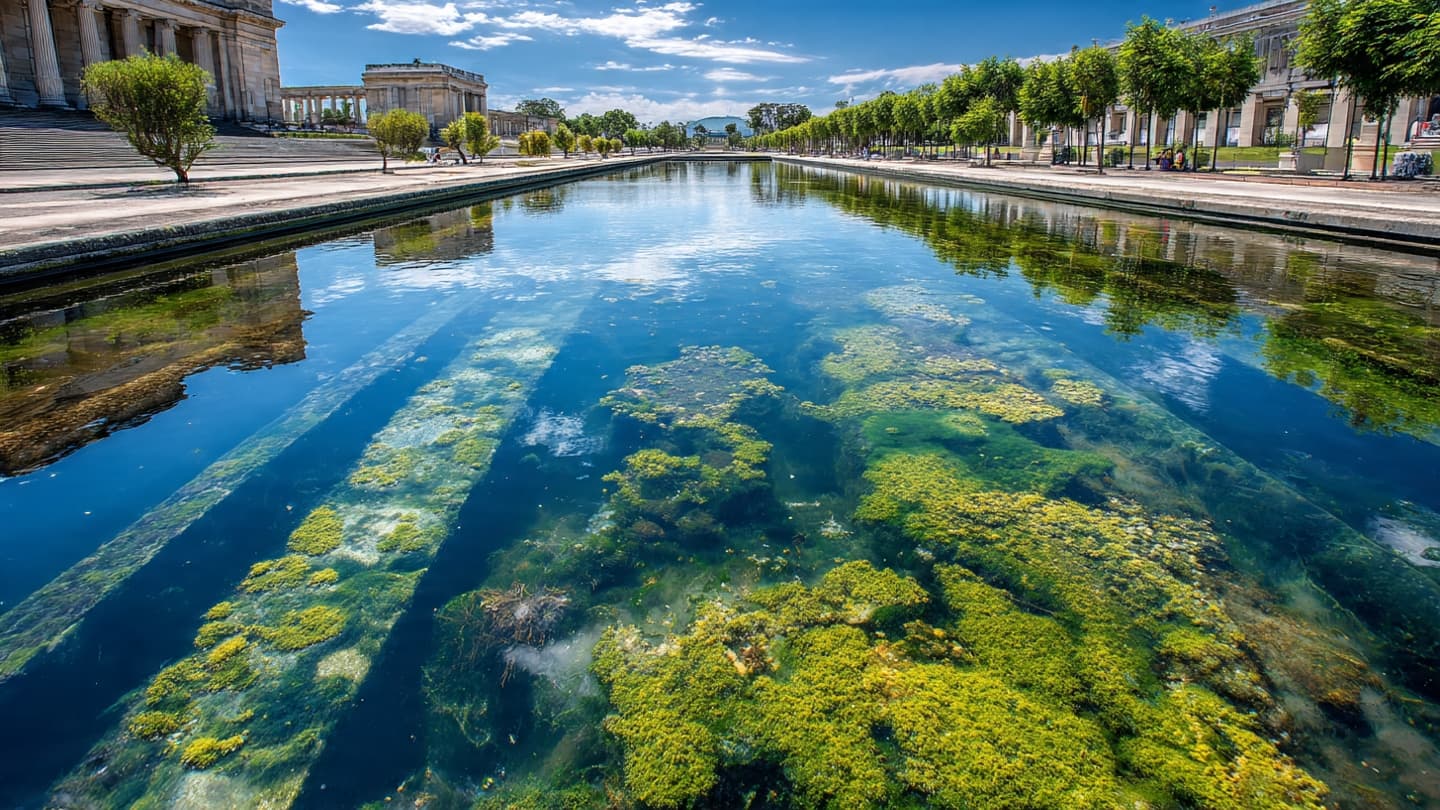
A reported effort to transform a reflecting pool into a vivid “American flag blue” through a multimillion-dollar initiative encountered an unexpected obstacle: algae growth. This biological presence shifted the visual outcome, resisting the intended aesthetic change and highlighting the complexities of environmental management in urban settings.
Algae, often overlooked, is a natural response to water conditions such as light exposure, temperature, and nutrient levels. In controlled or decorative bodies of water, it can become especially noticeable when conditions favor rapid growth. The presence of algae in the reflecting pool serves as a reminder of the delicate balance between human intervention and ecological systems.
The project’s aim to achieve a specific visual effect underscores how environmental factors can interact with design ambitions. Even carefully planned aesthetic interventions may be influenced by microscopic ecosystems already present in the water. This interaction raises questions about the feasibility of achieving desired outcomes in public spaces that are inherently subject to natural processes.
Maintenance of reflecting pools typically involves balancing chemical treatment and environmental control. However, achieving a precise and lasting coloration can be challenging when biological activity persists. The algae growth not only altered the pool's appearance but also prompted discussions about the sustainability of such projects and the importance of ecological stability.
Public reaction to these outcomes often blends curiosity with reflection on the limits of environmental control in man-made settings. What begins as a visual goal can evolve into a reminder of ecological responsiveness. In this case, the presence of algae redirected attention from symbolism toward the underlying natural processes that shape water itself, quietly asserting their role in even the most curated environments.
Efforts to address the issue are expected to focus on water treatment and maintenance adjustments, as officials reassess how to manage both appearance and ecological stability moving forward. This situation serves as a case study in the challenges of integrating nature with human design, emphasizing the need for adaptive strategies in public space management.
AI Image Disclaimer: Images included are AI-generated for illustrative purposes and do not depict actual conditions or events.
Published by Banx Network. This article is part of the Banx decentralized media programme, powered by the BXE token on the XRP Ledger.




