In the quiet corridors of technology companies, decisions are often written not in dramatic gestures but in short messages, internal memos, and conversations that unfold behind glass meeting rooms. Outside, the world sees the products—software updates, new models, ambitious announcements. Inside, the conversations are sometimes more philosophical, circling questions that stretch beyond engineering into the territory of ethics and responsibility.
Such a moment has emerged within OpenAI, where the leader of its robotics division has stepped down amid concerns tied to the company’s growing relationship with U.S. defense agencies.
The resignation reflects a tension that has slowly become familiar across the technology sector: the meeting point between rapidly advancing artificial intelligence and the longstanding interests of national defense.
According to reports, the robotics head chose to leave the company after expressing unease about OpenAI’s potential involvement in artificial intelligence projects connected to the U.S. Department of Defense, including possible collaboration with the Pentagon. While the company has expanded its partnerships across government and industry in recent years, some researchers within the AI community have continued to debate the implications of deploying advanced systems in military contexts.
OpenAI has historically maintained policies intended to limit the use of its technology for weapons development. Yet the boundaries between civilian and defense applications can sometimes blur. Artificial intelligence capable of interpreting images, planning logistics, or guiding autonomous systems may serve a wide range of purposes—from disaster response and medical research to battlefield analysis.
For many technology companies, navigating that overlap has become part of operating in a world where governments increasingly view artificial intelligence as a strategic capability.
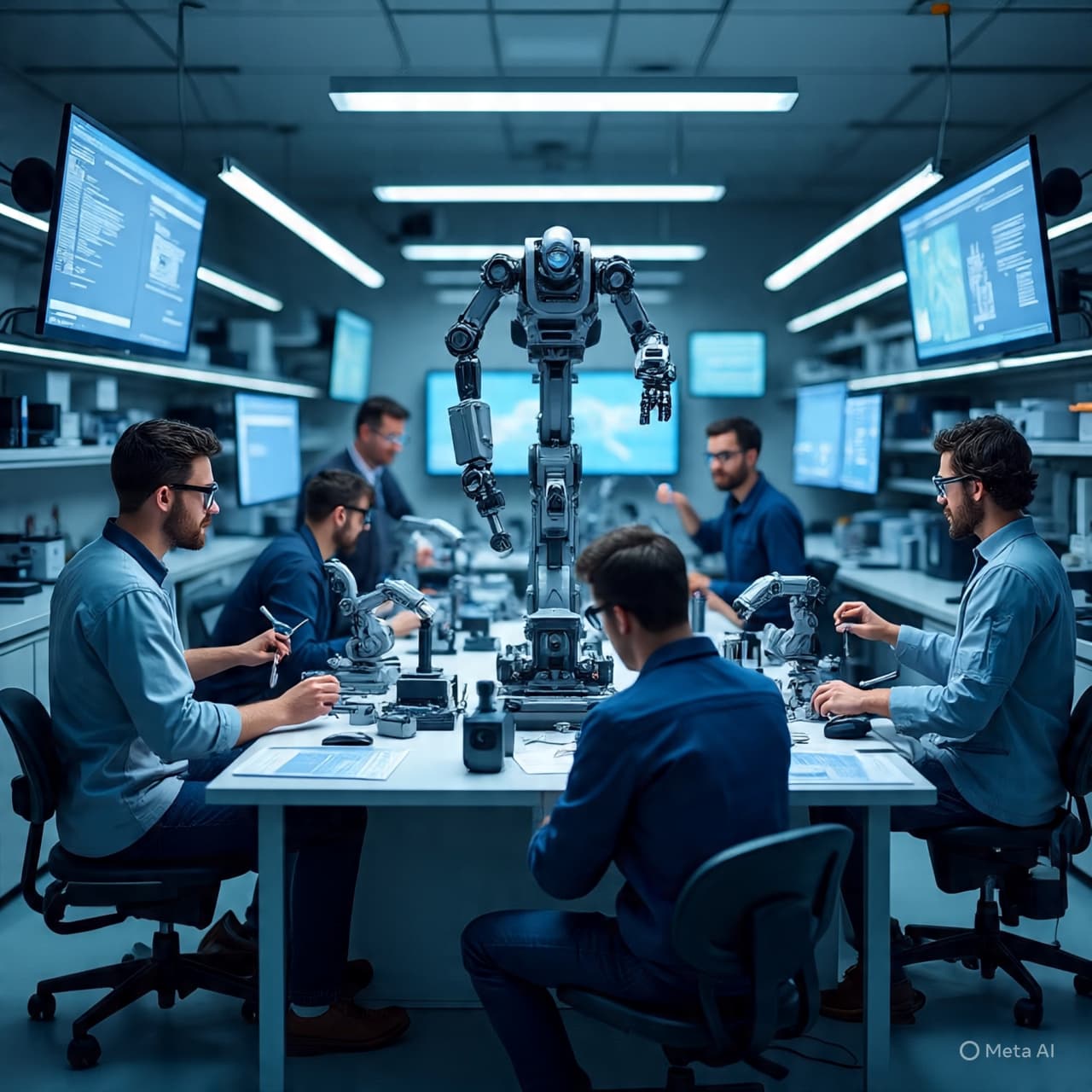
The departing robotics leader had played a central role in shaping OpenAI’s work on machine learning systems designed to interact with physical environments—machines that can perceive, move, and adapt. Robotics has long been viewed as one of the most ambitious frontiers of artificial intelligence, combining perception, reasoning, and real-world action.
Yet precisely because robotics bridges digital systems and the physical world, its potential uses can extend into sensitive domains. Autonomous drones, surveillance platforms, and decision-support tools for defense planning all draw from similar underlying technologies.
Across Silicon Valley, these questions have surfaced repeatedly over the past decade. Engineers at major companies have occasionally raised concerns about defense-related projects, leading in some cases to internal debate or employee departures. The discussions often revolve around where the line should be drawn between technological progress and the potential consequences of its use.
OpenAI itself has evolved considerably since its founding as a nonprofit research organization dedicated to advancing artificial intelligence for the benefit of humanity. Today it operates through a hybrid structure that includes commercial partnerships, large-scale infrastructure investments, and collaborations with governments and private companies.
As AI systems become more powerful and widely adopted, the question of how they intersect with national security has grown more prominent. Governments see the technology as vital for cybersecurity, intelligence analysis, and strategic planning. At the same time, many researchers continue to advocate for careful boundaries around how advanced AI should be deployed.
In this case, the resignation appears to reflect a personal decision shaped by those broader debates.
OpenAI has not indicated that the departure will change its ongoing research efforts, and the company continues to expand its work across multiple fields, including robotics, language models, and infrastructure for large-scale AI systems.
The Pentagon, meanwhile, has steadily increased investment in artificial intelligence as part of its long-term modernization strategy, seeking partnerships with both established defense contractors and emerging technology firms.
For now, the departure marks another small but notable moment in the evolving relationship between artificial intelligence and government power—an area where innovation, policy, and personal conviction often intersect in complex ways.
AI Image Disclaimer: The accompanying visuals are AI-generated representations created for illustrative purposes.
Sources
Reuters Bloomberg The Verge The New York Times CNBC
Published by Banx Network. This article is part of the Banx decentralized media programme, powered by the BXE token on the XRP Ledger.