
Key Highlights
- New Study:Research indicates a significant rise in alpine flora diversity due to climate change.
- Ecological Shifts:Warmer temperatures are allowing new plant species to migrate to higher altitudes.
- Biodiversity Challenges:Increased diversity may disrupt existing ecosystems, affecting native species.
[Alpine Flora Diversity and Climate Change]
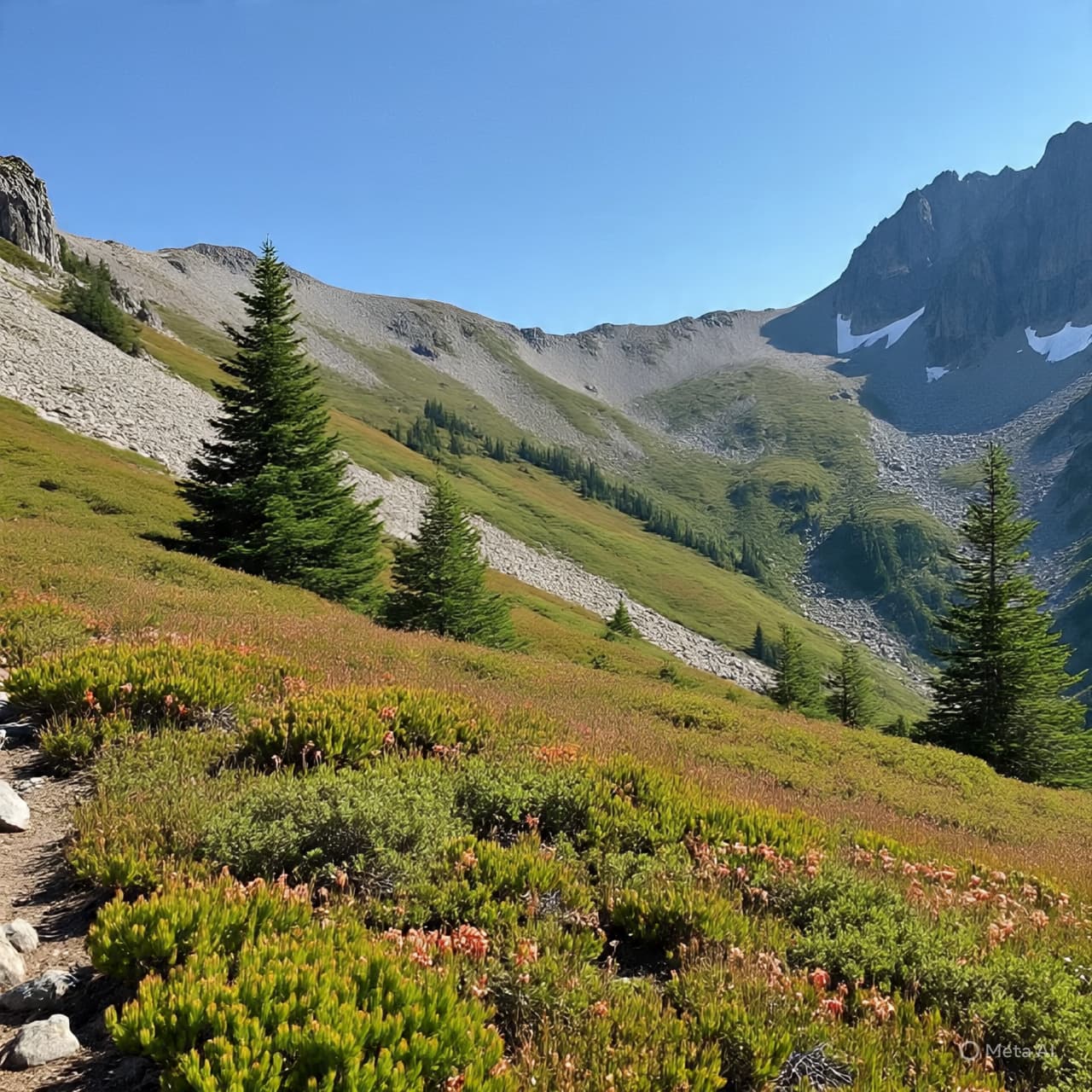
Recent research has unveiled a noteworthy trend in alpine ecosystems: a significant increase in flora diversity as climate patterns evolve. This study highlights how rising temperatures and changing precipitation patterns are reshaping the delicate balance of life in high-altitude regions. Traditionally, these ecosystems have been characterized by their harsh conditions, which limited the variety of plant species that could thrive. However, as climate change continues to unfold, the boundaries that once defined these ecological zones are beginning to blur, allowing for a more diverse array of plant life.
The implications of this shift are profound. Warmer temperatures are facilitating the migration of species from lower altitudes into alpine regions, creating opportunities for new interactions among plants and other organisms. This gradual influx of new species could lead to richer ecosystems, enhancing biodiversity and ecological complexity. Yet, this transformation is not without its challenges. Native species, which have adapted over millennia to specific environmental conditions, may face increased competition from newcomers, potentially disrupting the established ecological balance.
[The Role of Climate in Ecosystem Dynamics]
Climate acts as both a catalyst and a context for these changes. The interplay of rising temperatures, altered precipitation patterns, and shifting seasonal dynamics is reshaping the conditions under which alpine flora exist. These changes are interconnected, influencing soil composition, water availability, and the relationships among various species. As the climate continues to evolve, the ecosystems that depend on these high-altitude environments must adapt or risk decline.
[The Irony of Increased Diversity]
There is a certain irony in the increasing diversity of alpine flora. Regions once deemed too extreme for a wide variety of life are now beginning to host a broader spectrum of species. This transformation serves as a reminder that ecosystems are not static; they are dynamic entities that respond to the changing conditions around them. However, this newfound diversity also brings forth questions regarding the long-term viability of these ecosystems. How will they adapt to the ongoing changes? Which species will thrive, and which may struggle to survive?
[Future Observations and Studies]
The study does not provide definitive answers but rather opens the door for further inquiry. It suggests that alpine flora, long shaped by limitations, may be entering a new era of expansion. As climate change continues to impact these regions, the landscapes may reflect this transformation in both subtle and significant ways. Observers and researchers alike are called to monitor these changes closely, as they will have implications not only for alpine ecosystems but also for the broader ecological networks that rely on them.
In conclusion, the rise in alpine flora diversity is a compelling indicator of nature's resilience and adaptability in the face of climate change. As these ecosystems evolve, they offer a living testament to the ongoing interplay between environmental conditions and biological life.
Published by Banx Network. This article is part of the Banx decentralized media programme, powered by the BXE token on the XRP Ledger.



