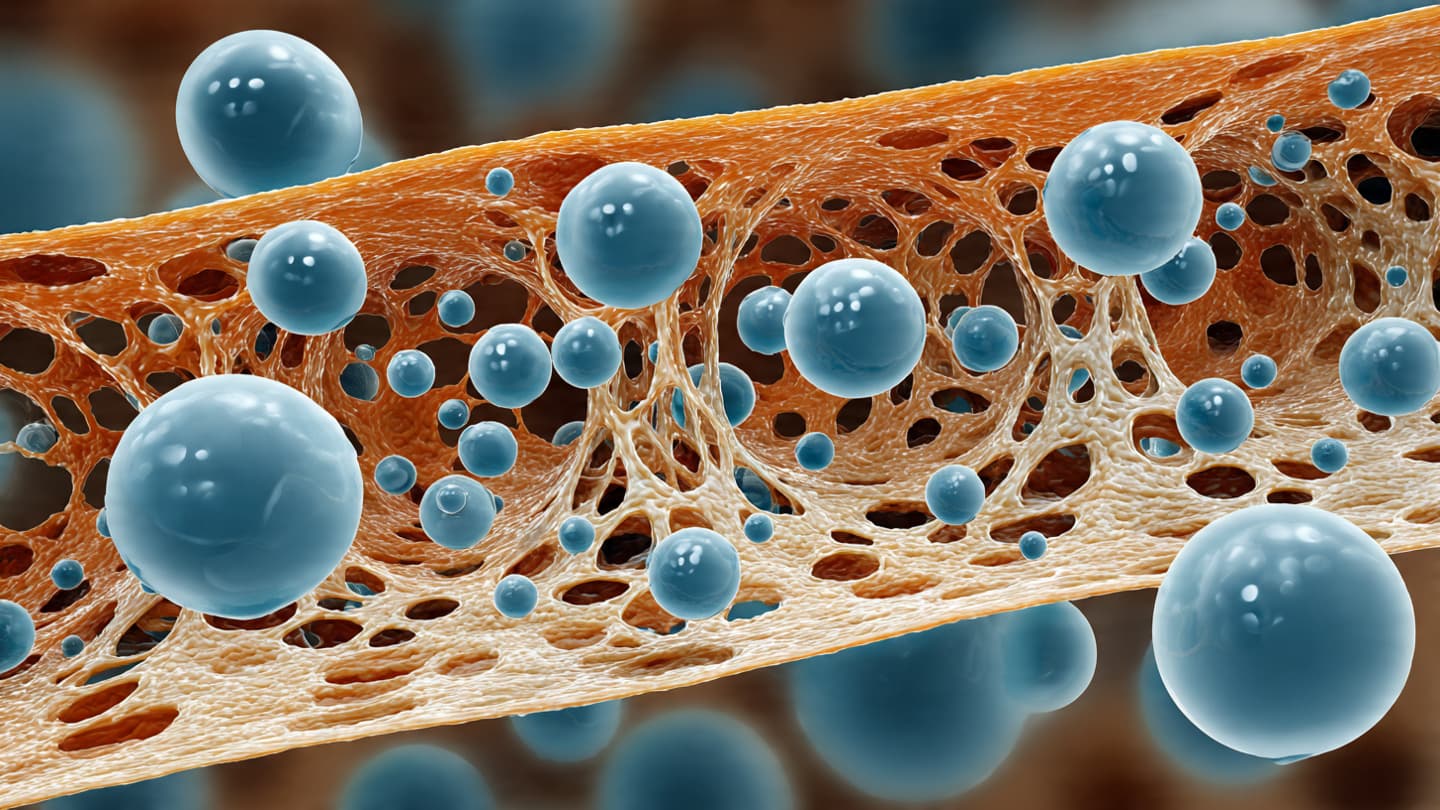
Water, in its simplest form, is one of Earth’s most essential resources. Yet ensuring its purity often requires complex systems that operate at scales invisible to the human eye, where molecules rather than visible particles determine quality.
Body: Recent advances in nanomembrane technology are showing promise for dramatically improving water filtration systems. These membranes contain pores as small as one nanometer, allowing them to selectively filter contaminants at the molecular level.
Such precision enables the removal of pollutants, salts, and even certain biological agents more efficiently than many traditional filtration methods. This could have significant implications for both industrial and household water treatment.
Researchers are exploring materials such as graphene-based structures and advanced polymers to enhance durability and efficiency. These materials allow for faster flow rates while maintaining high filtration accuracy.
One of the major challenges lies in balancing filtration performance with energy consumption. Highly selective membranes often require pressure or energy input, which can affect scalability in large systems.
Despite these challenges, pilot projects in several countries are testing nanomembrane systems for desalination and wastewater treatment. Early results suggest improved efficiency and reduced operational costs in certain conditions.
The technology also has potential applications beyond drinking water, including pharmaceutical production, chemical processing, and environmental cleanup.
Scientists emphasize that while the technology is still evolving, it represents a significant step toward more sustainable water management systems.
Closing: As research progresses, nanomembranes may become a key tool in addressing global water challenges, transforming how societies think about purity, access, and sustainability.
AI Image Disclaimer: All visuals are AI-generated for conceptual and illustrative purposes only.
Sources: Nature Nanotechnology, Science Daily, MIT Technology Review, Phys.org, UNESCO Water Reports
Published by Banx Network. This article is part of the Banx decentralized media programme, powered by the BXE token on the XRP Ledger.