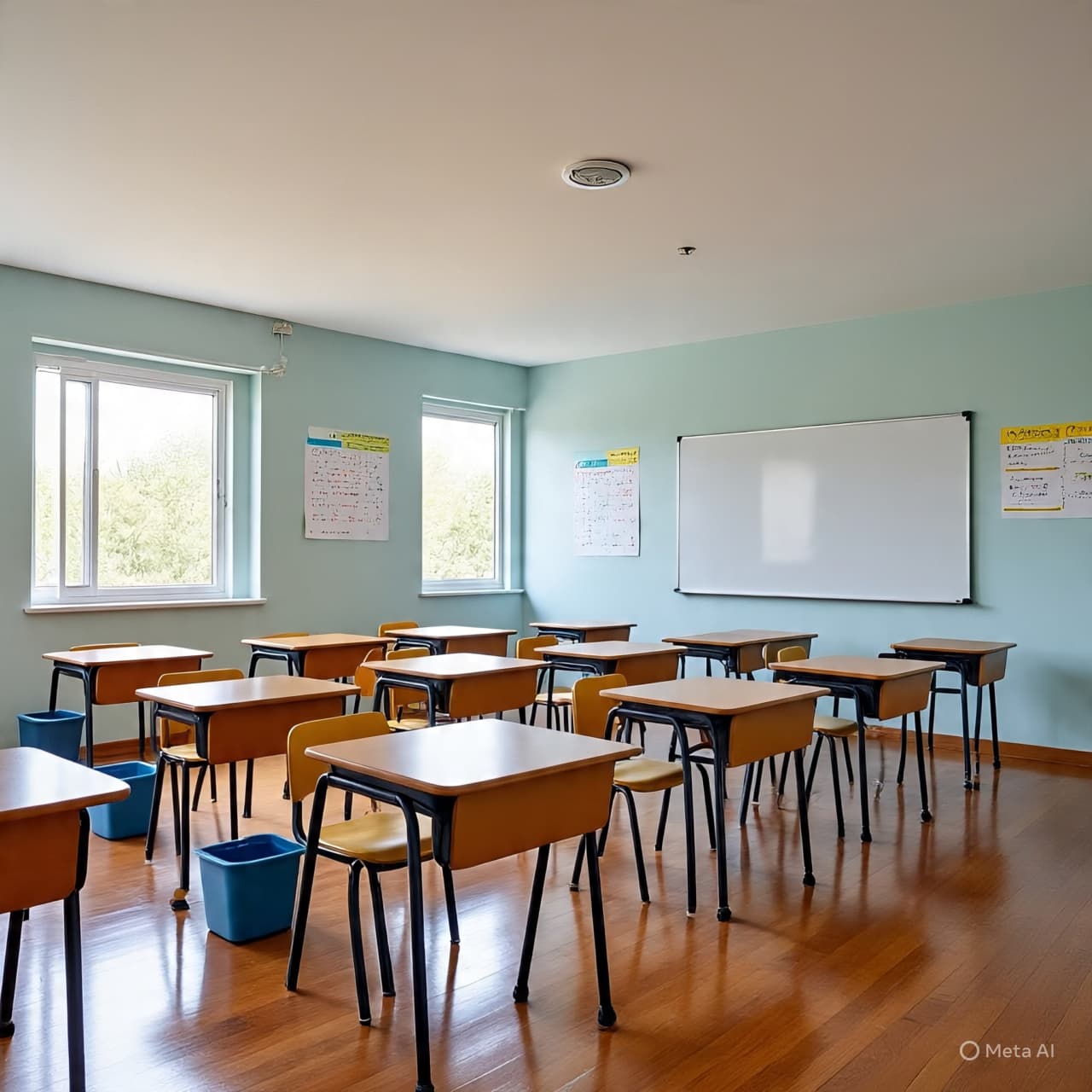
Classrooms are often places shaped by quiet discipline and shared curiosity. Desks face a chalkboard or screen, sunlight drifts through windows, and the daily rhythm of learning unfolds in familiar patterns—questions asked, notes written, small moments of discovery that mark the passing of each school day. In such spaces, teachers stand not only as instructors but as guardians of a certain order meant to protect the environment where students grow.
When that sense of safety is disrupted, the classroom can feel suddenly unfamiliar.
A disciplinary tribunal has found that a teacher struck students with a guitar and a stick during separate incidents, actions that ultimately drew the attention of educational authorities and led to a formal review of the teacher’s conduct. The findings followed an investigation into complaints that physical force had been used in the classroom.
According to the tribunal’s decision, the incidents involved the teacher using objects—a guitar and a stick—to hit students. Such actions stand in clear violation of professional standards governing conduct in schools, where physical punishment and aggressive behavior toward students are strictly prohibited under modern educational policies.
Tribunals that review teacher conduct typically operate as professional oversight bodies, examining complaints, testimony, and evidence before determining whether disciplinary action is warranted. In this case, the panel concluded that the teacher’s actions breached the expectations placed on educators responsible for the well-being of young people.
Schools today operate under frameworks designed to ensure that classrooms remain safe environments for learning. Educators are entrusted with authority in order to guide students, manage behavior, and maintain structure, but that authority is expected to be exercised through patience, communication, and established disciplinary methods—not physical force.
For students involved in such incidents, the experience can leave a lasting impression, altering the sense of security that schools are meant to provide. Educational institutions and oversight bodies often emphasize that maintaining trust between students, families, and teachers is central to the broader mission of education.
The tribunal’s findings now form part of the formal record, and any consequences arising from the decision will proceed through the professional regulatory system governing educators.
Beyond the legal and disciplinary process, the case echoes a broader reminder: classrooms function best when authority is balanced with care. Within the walls where young minds gather to learn, respect and safety remain the foundations upon which education quietly depends.
AI Image Disclaimer Illustrations are AI-generated conceptual images and do not depict real individuals or events.
Sources BBC News The Guardian Reuters Associated Press Education Tribunal Records
Published by Banx Network. This article is part of the Banx decentralized media programme, powered by the BXE token on the XRP Ledger.