The corridors of power often grow quieter when problems refuse to soften. In those moments, decision-making slows, language tightens, and familiar tools are reconsidered. For Donald Trump, confronted once again with a series of complex domestic and international challenges, the presence of the military has re-emerged as a visible part of the response, steady, disciplined, and unmistakably symbolic.
In recent weeks, Trump has leaned more openly on military structures as he navigates issues that have proven resistant to political compromise. From border enforcement to foreign crises and internal unrest, uniformed authority has increasingly appeared alongside civilian leadership, not always as an instrument of action, but as a signal of resolve. The pattern echoes earlier chapters of his presidency, when the armed forces were positioned as a stabilizing force amid contested debates and public tension.
Supporters describe this posture as clarity in uncertain times, a willingness to draw on institutions designed for order when traditional mechanisms falter. Critics, meanwhile, have voiced concern about the expanding visibility of military involvement in matters that sit close to civilian governance. The tension between these views has unfolded without spectacle, but with persistence, shaping how each move is interpreted across political and public lines.
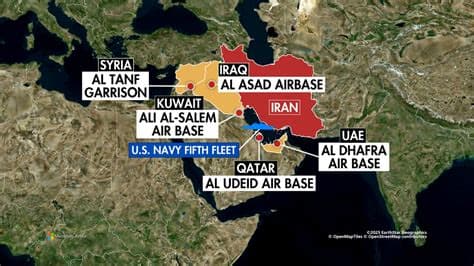
On the international stage, military readiness has also featured in Trump’s approach to unresolved conflicts. Consultations with allies, warnings to adversaries, and the reinforcement of strategic assets have formed part of a broader message that pressure remains an option even as diplomacy continues. The language surrounding these decisions has been measured, yet the underlying signal is clear: the tools of force are not distant from the table.
At home, the role of the military has surfaced in discussions around security and enforcement, framed as support rather than substitution. Officials have emphasized legality and restraint, underscoring that civilian authority remains intact. Still, the imagery of troops, equipment, and command structures carries weight, shaping perception regardless of intent.
As these choices accumulate, they reveal less about sudden change than about habit. In moments where negotiation slows and policy knots tighten, Trump has repeatedly returned to institutions built for hierarchy and command. It is a turn that reflects confidence in structure, and a belief that firmness can impose clarity where debate cannot.
For now, these decisions continue to unfold incrementally, without dramatic announcements or abrupt shifts. The military remains present, visible but contained, a reminder of how power is sometimes expressed when options narrow. Whether this reliance deepens or recedes may depend not on doctrine, but on whether the problems at hand begin, at last, to loosen their grip.
AI Image Disclaimer Illustrations were created using AI tools and are not real photographs.
Sources (Media Names Only) Reuters Associated Press The Guardian CNN Financial Times
Published by Banx Network. This article is part of the Banx decentralized media programme, powered by the BXE token on the XRP Ledger.