The Adriatic coast is often celebrated for its crystalline waters and historic charm, a backdrop that draws visitors from around the world. Yet, beneath the surface of this picturesque landscape lies a growing concern that has mobilized thousands of citizens. In Croatia, a wave of public demonstration has risen, driven by a collective demand for accountability and action against the lingering threat of toxic waste. It is a moment where environmental stewardship meets civic courage.
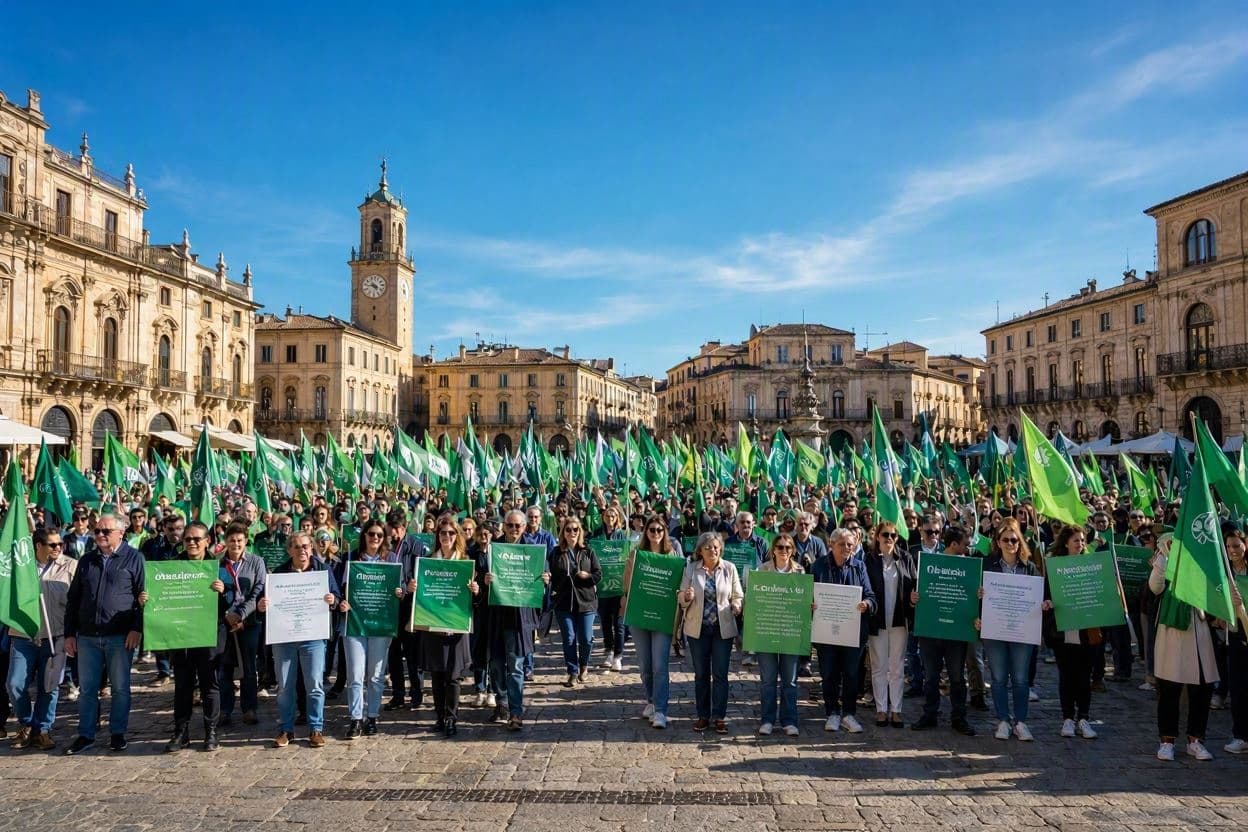
Thousands of protesters gathered in Zagreb and other major cities, carrying signs that called for immediate remediation of hazardous industrial sites. The demonstrations were sparked by recent reports revealing high levels of heavy metals and chemical contaminants in soil and water sources near former manufacturing hubs. For many residents, these findings confirmed long-held suspicions about the health risks posed by neglected industrial legacies. The air was filled not just with chants, but with a palpable sense of urgency.
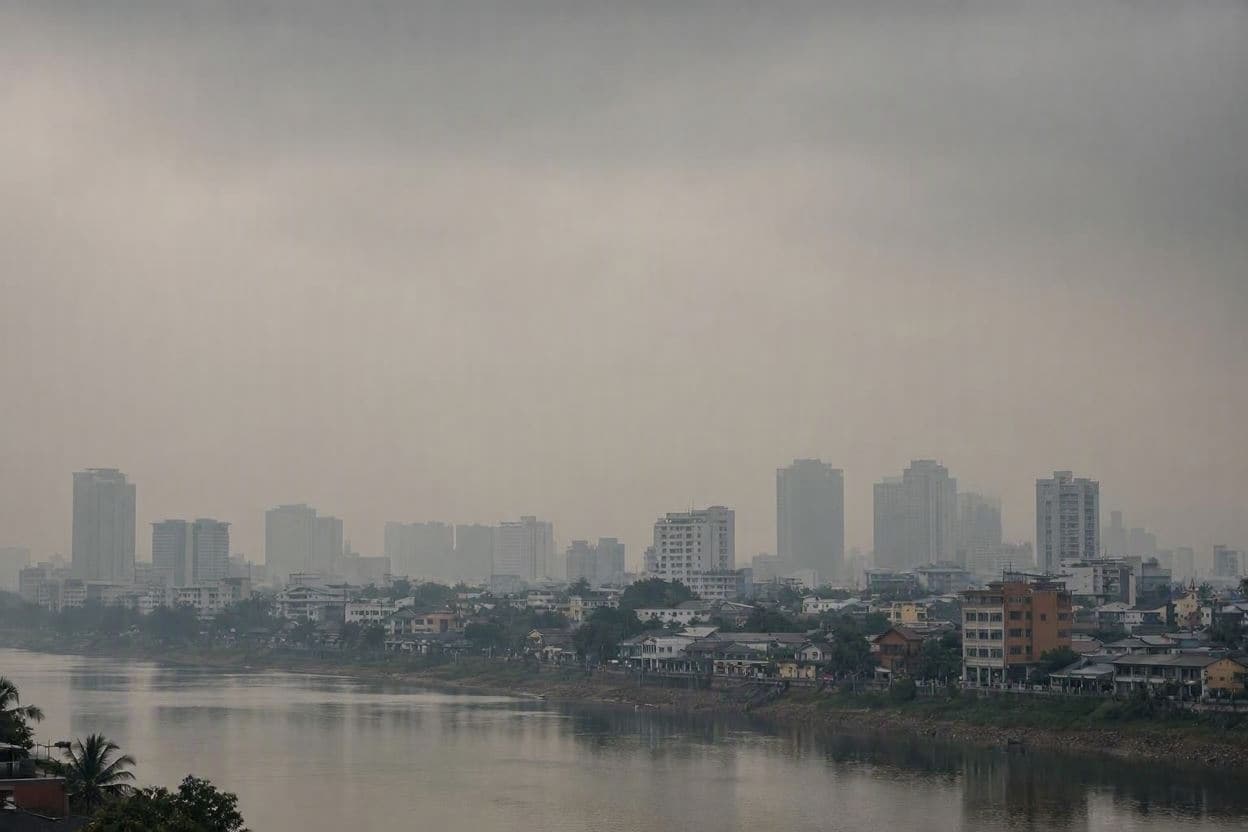
The waste in question dates back several decades, originating from factories that operated under different regulatory regimes. Over time, inadequate disposal methods led to the accumulation of toxic substances in landfills that were never properly sealed or monitored. Rainwater runoff has since carried these pollutants into local rivers and groundwater supplies, affecting communities far beyond the immediate vicinity of the sites. The issue is no longer contained; it has seeped into the daily lives of ordinary citizens.
Health experts have voiced concern over the potential long-term effects of exposure to these contaminants. Cases of respiratory issues and skin conditions have been reported in affected areas, prompting calls for comprehensive medical screenings. The protesters are not only demanding cleanup but also justice for those who have suffered health consequences. They argue that the right to a safe environment is fundamental and non-negotiable. This human element adds weight to the technical challenge of remediation.
Government officials have responded by acknowledging the severity of the problem and promising accelerated action. A special task force has been established to oversee the cleanup process, with commitments to secure funding from both national budgets and European Union environmental grants. However, skeptics remain wary, citing past delays and broken promises. The trust between the public and authorities is fragile, requiring consistent transparency and tangible progress to rebuild.
The movement has gained support from environmental NGOs and international organizations, which offer technical expertise and advocacy. They highlight that Croatia’s situation is part of a broader regional challenge in Southeastern Europe, where post-industrial waste management remains a critical issue. By connecting local grievances to global standards, the demonstrators are amplifying their voice. They seek not just a local fix, but a systemic change in how environmental hazards are managed.
As the protests continue, the focus shifts to the practicalities of cleanup. Remediation of toxic waste is a complex, expensive, and time-consuming process. It requires advanced technology and careful planning to avoid further contamination. The community is watching closely, eager to see if the political will matches the scale of the problem. Their persistence serves as a reminder that environmental protection is an ongoing responsibility, not a one-time achievement.
Authorities have announced a timeline for the initial assessment of the most critical sites, with work expected to begin within the next few months. Meanwhile, the demonstrators have vowed to maintain pressure until visible results are achieved, ensuring that the issue remains at the forefront of the national agenda.
AI Image Disclaimer: Please note that any accompanying illustrations for this article are AI-generated and intended for representational purposes only.
Sources: Reuters BBC News Euronews Croatian Times
Published by Banx Network. This article is part of the Banx decentralized media programme, powered by the BXE token on the XRP Ledger.