

Key Highlights
- Proposal from Brussels:A senior official encourages remote work to reduce energy use.
- Environmental Impact:Fewer cars could lead to lower emissions and a shift in urban design.
- Public Response:Mixed reactions highlight concerns about social connections and economic activity.
The pace of life in European cities is undergoing a subtle transformation, as a senior official in Brussels advocates for increased remote work. This initiative aims to address pressing energy and environmental concerns, suggesting that a shift in work habits could lead to broader changes in urban living. The proposal encourages individuals to work from home more frequently, reflecting a growing acceptance of flexible work arrangements that have gained traction in recent years.
The call to reduce driving is not merely about cutting down on emissions; it also prompts a reevaluation of urban infrastructure and mobility. With fewer vehicles on the roads, cities may experience a reduction in traffic congestion and pollution, fostering a healthier environment. This shift could lead to a reimagining of public spaces, prioritizing pedestrian-friendly designs and green areas over traditional car-centric layouts.
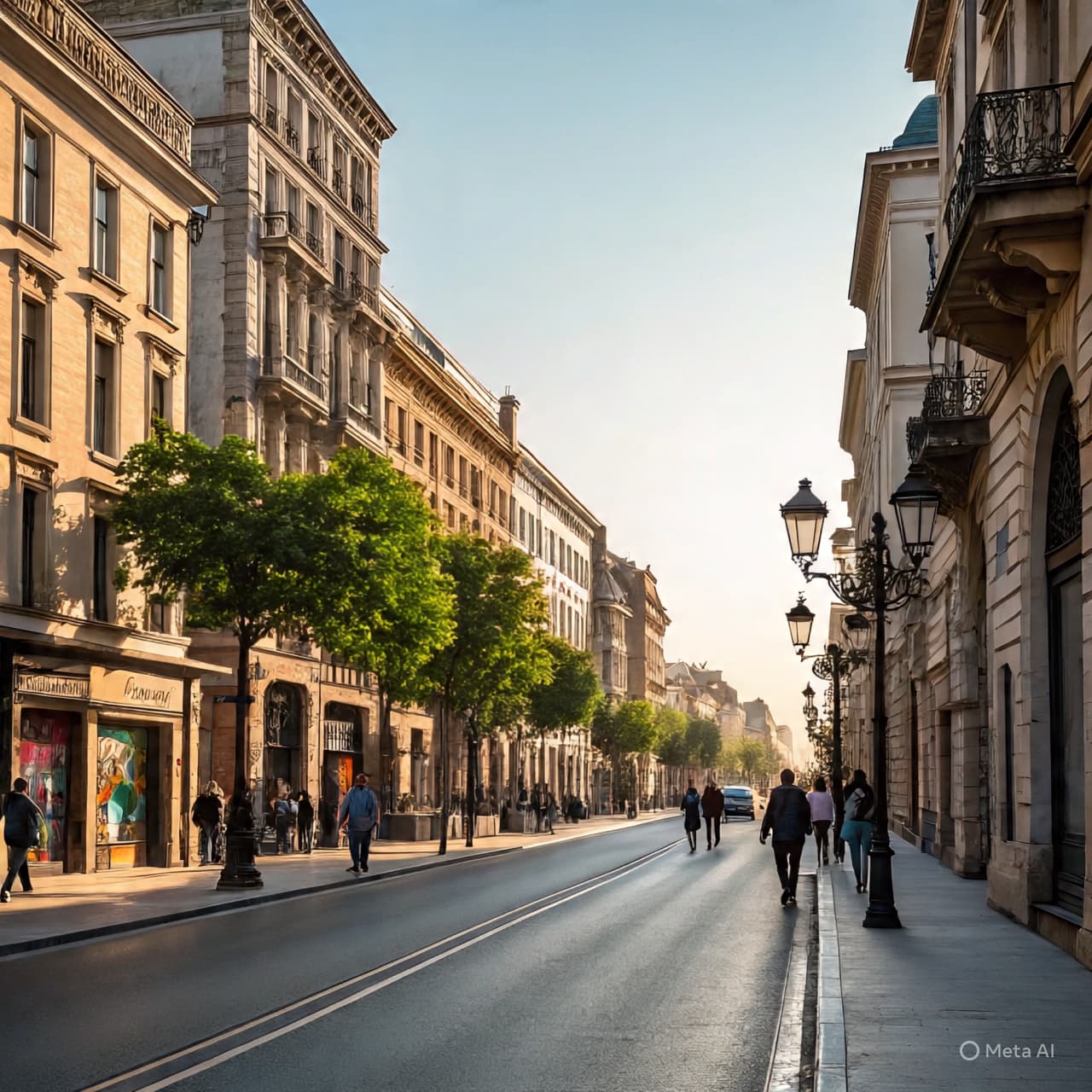
As European cities, known for their vibrancy and density, consider this new rhythm, the potential for quieter streets and less frenetic activity emerges. The atmosphere of urban life may evolve, allowing for moments of stillness that contrast sharply with the usual hustle and bustle. This change could enhance the quality of life for residents, offering a chance to reconnect with their surroundings and each other.
The proposal aligns with ongoing discussions about sustainability and energy consumption across Europe. Governments are increasingly focused on finding innovative solutions to reduce energy use, especially in light of economic pressures and climate change. By promoting remote work, officials hope to encourage a cultural shift that values efficiency and environmental responsibility.
Public sentiment regarding this initiative is mixed. Some view it as a positive step towards achieving a better work-life balance, while others express concerns about the implications for social interaction and economic vitality in urban centers. The long-term effects of such a shift remain uncertain, as cities grapple with the balance between maintaining economic activity and fostering a sustainable environment.
Analysts suggest that if remote work becomes a widespread practice, it could reshape not only energy consumption patterns but also the cultural fabric of European cities. The way people work, travel, and engage with their communities may evolve, leading to a redefinition of daily routines and social norms.
As Europe navigates this potential transition, the proposal remains a topic of discussion rather than a definitive policy change. However, it reflects a broader dialogue about how societies can adapt to changing circumstances and prioritize sustainability in their future planning.
Published by Banx Network. This article is part of the Banx decentralized media programme, powered by the BXE token on the XRP Ledger.




