There are moments in history when the sound of a city seems to change. Streets that once echoed with ordinary conversations begin to carry the weight of uncertainty, while familiar skylines become reminders of how fragile peace can be. Beirut, a city shaped by resilience across generations, once again finds itself standing at such a crossroads as military tensions between Israel and Hezbollah continue to intensify.
Israeli forces have expanded a series of airstrikes targeting locations in and around Beirut, saying the operations are aimed at degrading Hezbollah's military infrastructure. Military officials stated that intelligence-guided strikes focused on facilities believed to support the group's command and logistical capabilities. The attacks came amid an ongoing exchange of fire across the Israel-Lebanon border that has steadily widened over recent weeks.
Residents across several districts reported hearing multiple explosions throughout the day, with emergency crews responding to damaged buildings and disrupted infrastructure. Local authorities worked to assess the extent of destruction while medical teams transported injured civilians to hospitals already managing significant pressure from previous rounds of violence.
Hezbollah responded by launching additional rockets toward northern Israel, continuing a cycle of retaliation that has heightened security concerns across the region. Israeli air defense systems intercepted many incoming projectiles, though warning sirens sent thousands of residents into shelters as precautionary measures remained in effect.
International leaders expressed growing concern over the possibility that the confrontation could expand beyond the immediate border region. Diplomatic efforts involving regional and global partners have continued behind the scenes, urging restraint while emphasizing the importance of preventing a broader conflict that could affect neighboring countries.
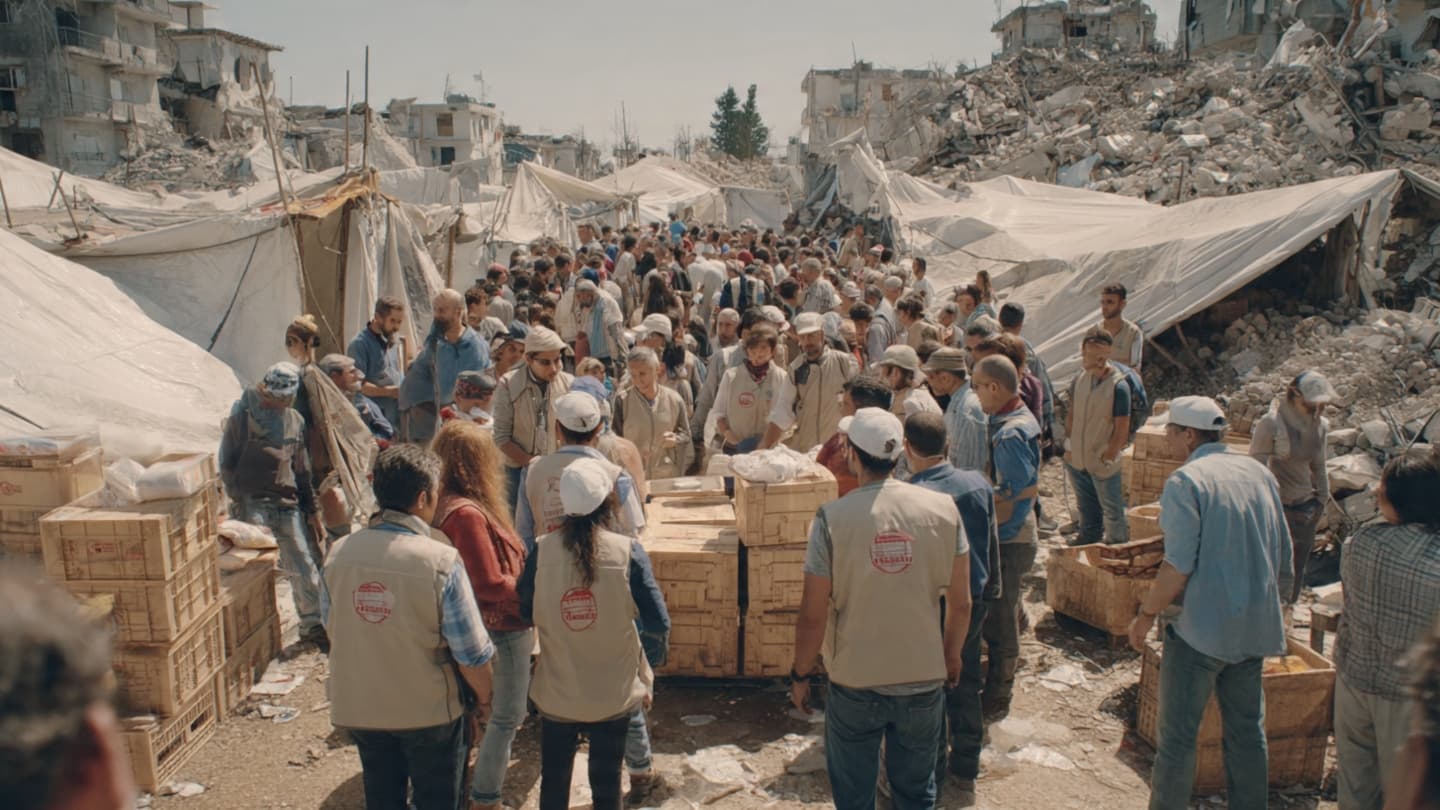
Humanitarian organizations also warned that repeated attacks have complicated relief operations. Damage to transportation routes, utilities, and residential neighborhoods has increased challenges for civilians seeking food, medical care, and temporary shelter. Aid agencies continue coordinating with local partners despite difficult operating conditions.
Military analysts note that both Israel and Hezbollah possess capabilities that could prolong the confrontation if diplomatic channels fail to produce meaningful progress. At the same time, observers emphasize that political negotiations remain the most practical path toward reducing the risk of wider regional instability.
As developments continue to unfold, governments around the world are closely monitoring the situation while encouraging renewed diplomatic engagement. For many civilians living on both sides of the border, the immediate priority remains safety, while hopes persist that dialogue may eventually replace the sounds of conflict.
AI Image Disclaimer: The accompanying illustration was generated using artificial intelligence to visually represent the reported events and does not depict an actual photograph.
Source Verification Check: Reuters, Associated Press (AP), BBC News, Al Jazeera, CNN
Published by Banx Network. This article is part of the Banx decentralized media programme, powered by the BXE token on the XRP Ledger.