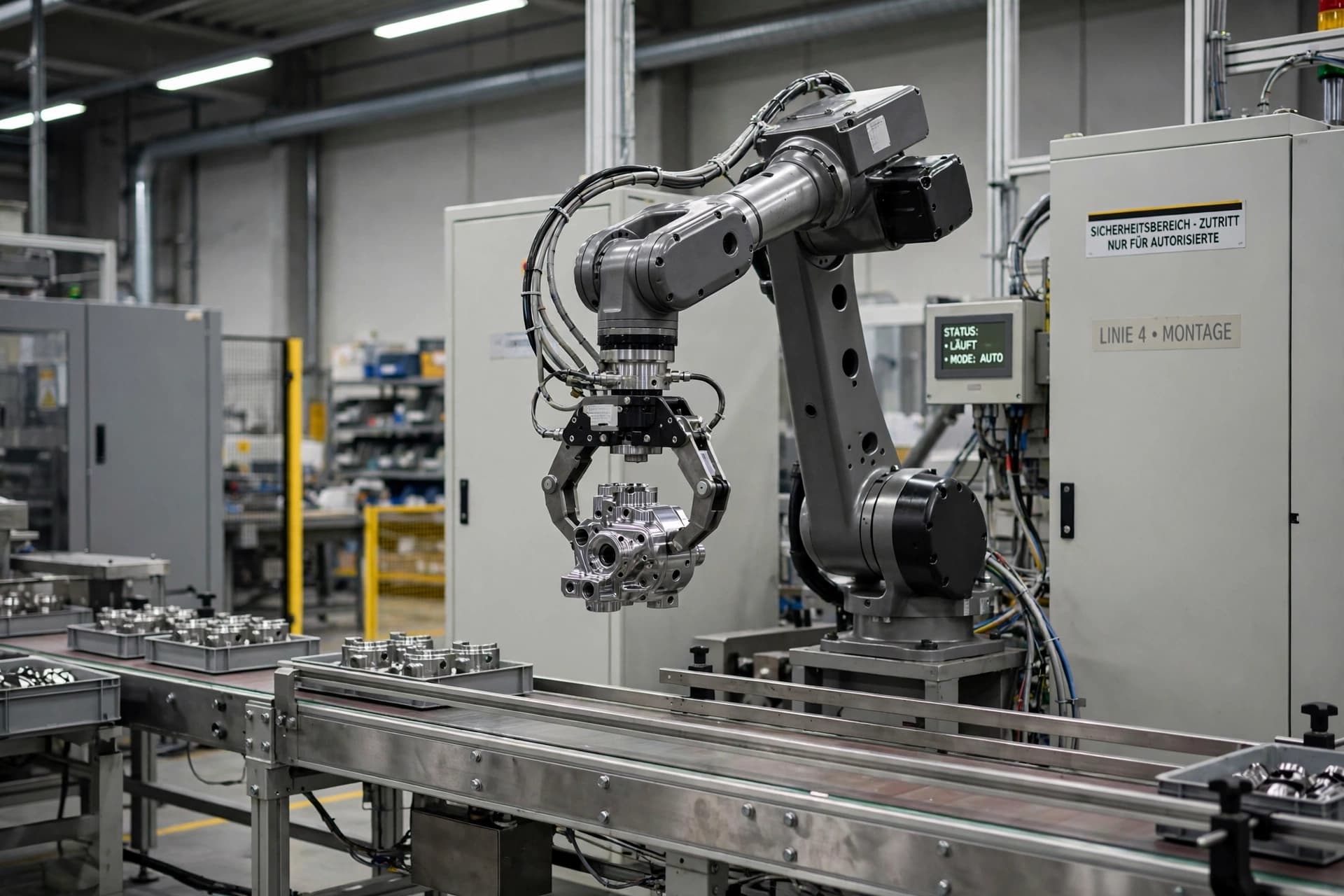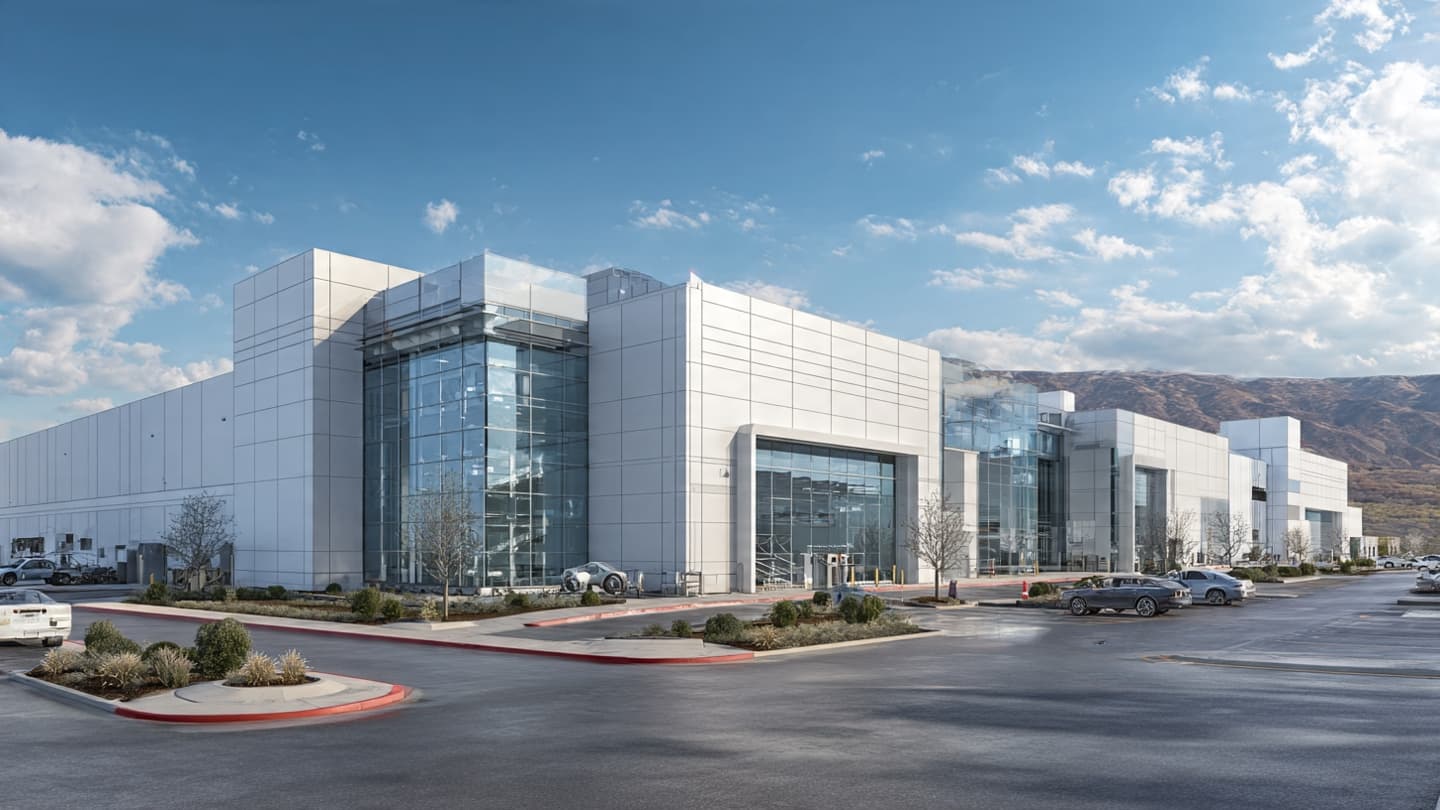
A semiconductor begins as something almost too small to see, yet its journey can shape entire industrial landscapes. Inside a chip are layers of engineering that eventually become the invisible machinery behind phones, vehicles, factories and artificial intelligence. Across the United States, that tiny world is now drawing increasingly large investments.
The expansion of domestic semiconductor capacity has accelerated as demand for advanced computing continues to rise. Artificial intelligence has become one of the major forces behind the need for powerful processors, memory and supporting infrastructure.
New semiconductor facilities require enormous amounts of capital and years of planning. Cleanrooms, specialized equipment, water systems and highly controlled environments must operate together with extraordinary precision. A modern chip factory is therefore as much an engineering project as it is a manufacturing plant.
The American semiconductor landscape is also extending beyond fabrication. Research centers, packaging facilities and equipment manufacturers form a broader ecosystem around chip production. Each part of that network contributes to the ability to design, manufacture and eventually integrate advanced processors.
Artificial intelligence is changing the economics of the industry. Training increasingly capable models requires large quantities of computing power, while data centers need processors that can operate continuously at enormous scale. That demand reaches backward through the supply chain, eventually influencing factories producing semiconductor components.
The expansion is also creating new opportunities for workers. Semiconductor facilities require engineers, technicians, electricians, chemical specialists and other skilled professionals. Training programs and partnerships with universities are becoming increasingly important as companies prepare for larger production networks.
At the same time, chip manufacturing remains highly global. Equipment, raw materials and specialized components often cross several borders before a finished semiconductor emerges. Expanding American capacity does not eliminate those international connections but can change the balance within the global supply chain.
The physical demands of semiconductor manufacturing are significant. Facilities require reliable electricity and substantial water resources, making energy infrastructure and environmental management important parts of planning.
For communities receiving new facilities, the arrival of semiconductor investment can transform local economies. Construction activity can be followed by permanent technical employment, supplier networks and new demand for housing, transportation and services.
The American semiconductor industry is therefore entering a period in which microscopic technology is producing very visible changes across the landscape. As artificial intelligence continues to expand, new factories and research centers are becoming part of the infrastructure supporting the next generation of computing.
AI Image Disclaimer These illustrations are AI-generated conceptual visuals designed to accompany the article and do not depict actual semiconductor facilities.
Sources Reuters U.S. Department of Commerce Semiconductor Industry Association Intel TSMC Arizona
Published by Banx Network. This article is part of the Banx decentralized media programme, powered by the BXE token on the XRP Ledger.