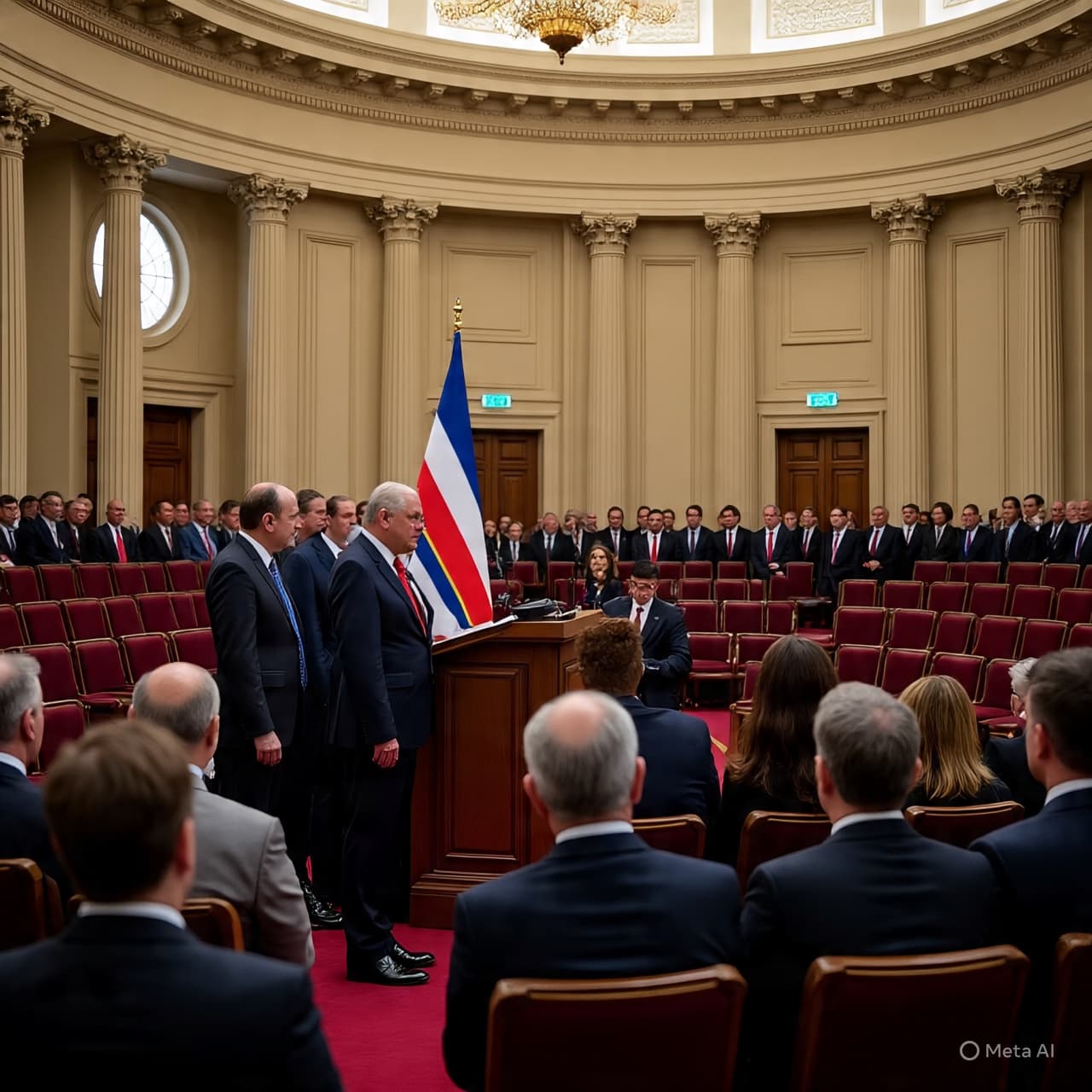
In parliamentary systems, leadership often shifts not with spectacle, but with ceremony — a raised hand, a formal oath, a quiet turning of pages in a constitutional ledger. Yet sometimes the person stepping forward carries the distinction of youth, and with it, a subtle signal that political generations are renewing themselves.
has been sworn in as the youngest-ever prime minister of the , marking a notable milestone in Dutch political history. The ceremony, held in The Hague, formalized his appointment following coalition negotiations that reshaped the country’s governing landscape.
Jetten, who previously served as a senior cabinet minister and leader within the centrist reformist party D66, has long been associated with climate policy and progressive economic initiatives. His ascent to the premiership reflects both coalition arithmetic and broader shifts within Dutch politics, where fragmented electoral outcomes often require extensive negotiation among multiple parties.
At an age younger than any predecessor to hold the office, Jetten assumes leadership at a time of domestic and international complexity. The Netherlands faces debates over housing shortages, agricultural reforms, climate transition targets, and its role within the European Union. Abroad, issues such as energy security, regional stability, and trade relationships continue to demand careful navigation.
Observers note that Dutch governance is deeply consensus-driven. Prime ministers operate within coalition frameworks that require constant dialogue and compromise. Jetten’s reputation as a negotiator during prior legislative efforts is likely to shape expectations for his tenure. Supporters describe him as pragmatic and policy-focused; critics question whether experience, rather than age, will prove decisive in steering the country forward.
The oath-taking ceremony followed weeks of coalition discussions after parliamentary elections produced no clear single-party majority. As is customary in the Netherlands, a coalition agreement outlining policy priorities was finalized before the new cabinet was formally installed. The prime minister’s authority will therefore be exercised within the boundaries of that negotiated platform.
Political analysts suggest that generational change can influence tone and communication style, even when institutional structures remain constant. Jetten’s leadership may emphasize climate innovation and digital transformation, areas he has championed in previous roles. At the same time, fiscal discipline and social welfare commitments remain central to coalition stability.
International partners are watching the transition with interest. The Netherlands plays a significant role in European trade, maritime logistics, and regional diplomacy. Continuity in foreign policy, particularly within the European Union and NATO frameworks, is widely expected, though domestic priorities may shape emphasis.
As with any new administration, early weeks will focus on cabinet coordination and legislative planning. Public approval will likely hinge on progress in addressing housing pressures and balancing environmental commitments with agricultural interests — longstanding tensions within Dutch politics.
For now, the formalities have concluded. Rob Jetten has taken the oath of office and assumed the responsibilities of prime minister. His tenure begins under the watchful rhythm of parliamentary democracy, where youth is noted, but governance remains measured by policy and consensus.
AI Image Disclaimer Graphics are AI-generated and intended for representation, not reality.
Sources
Reuters Associated Press BBC News Politico Europe NOS
Published by Banx Network. This article is part of the Banx decentralized media programme, powered by the BXE token on the XRP Ledger.