

Key Highlights
- King Charles III's upcoming state visit to the U.S. coincides with rising global tensions.
- The visit raises questions about the appropriateness of ceremonial diplomacy during conflict.
- Observers express concerns over the optics of royal engagements amid geopolitical crises.
[Context of the Visit]
King Charles III's anticipated state visit to the United States is set against a backdrop of escalating tensions, particularly regarding Iran and broader geopolitical conflicts. Traditionally, state visits are seen as opportunities for diplomatic engagement and strengthening ties between nations. However, in the current climate, the visit may be perceived through a more critical lens, prompting discussions about the appropriateness of such ceremonies during times of unrest.
[Perception of Ceremony]
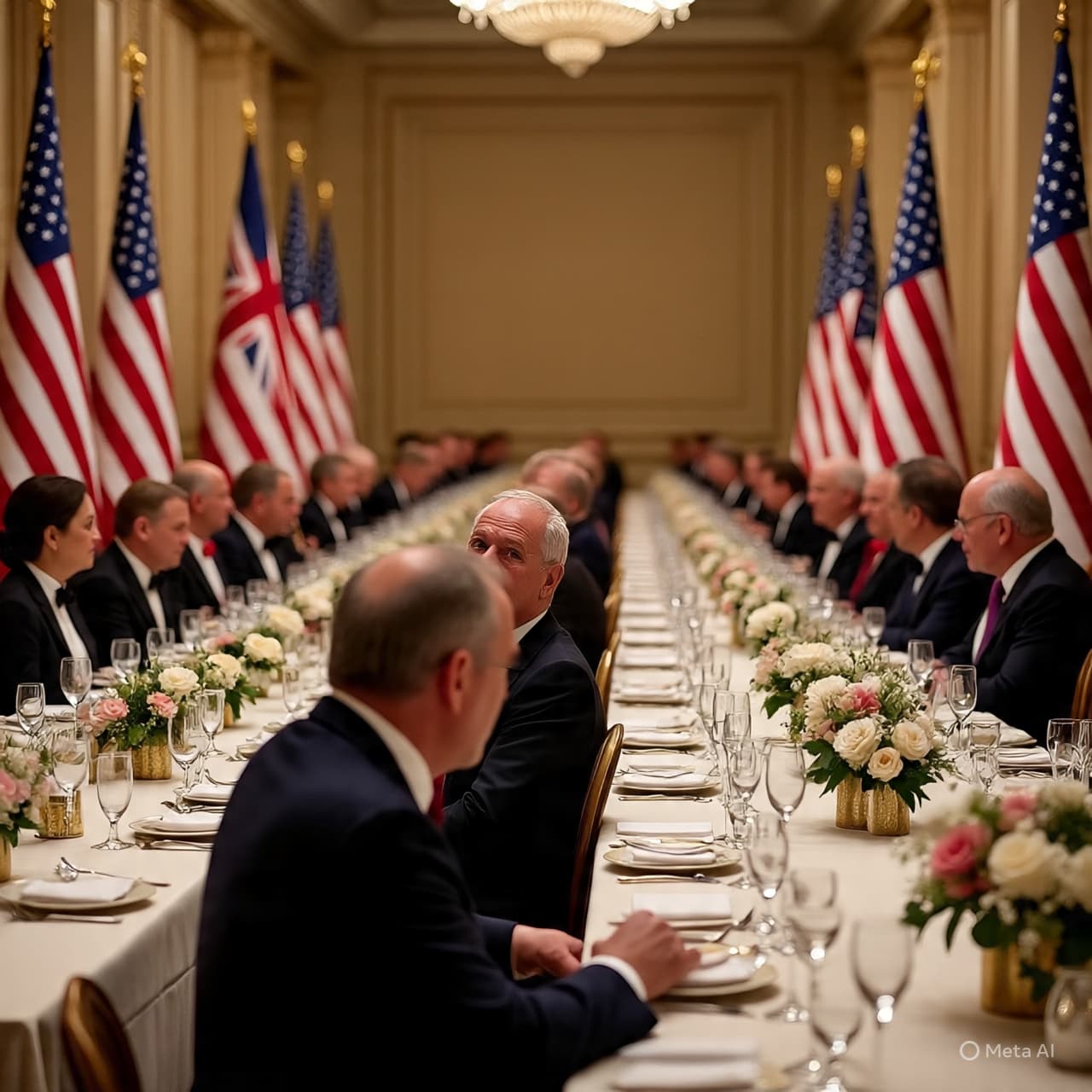
The ceremonial aspects of the visit, including state dinners and public appearances, may evoke mixed reactions. While some view the presence of a monarch as a reaffirmation of the long-standing relationship between the U.K. and the U.S., others may interpret it as a distraction from pressing issues. The language surrounding the visit has already begun to reflect a sense of unease, with terms like “humiliation” surfacing in discussions about the optics of royal diplomacy during turbulent times.
[Historical Significance]
State visits are not merely isolated events; they are part of a larger narrative of international relations. The British monarchy, with its emphasis on continuity and tradition, often seeks to maintain a sense of stability even amidst chaos. King Charles III's visit could be viewed as an effort to uphold this continuity, reinforcing the idea that diplomacy transcends immediate crises. However, the effectiveness of this approach will depend on public perception and the broader context of international relations at the time of the visit.
[Impact of Global Events]
In an age where information travels rapidly and public sentiment can shift in an instant, the optics of leadership are crucial. Images of royal ceremonies may clash with headlines of conflict, creating a dissonance that challenges the narrative of stability that such visits aim to project. The challenge for King Charles III will be to navigate this complex landscape, balancing the traditions of the monarchy with the realities of contemporary global politics.
[Future Implications]
As King Charles III embarks on this significant journey, the implications of his visit extend beyond mere ceremonial duties. It represents a pivotal moment in his reign, one that could shape the future of the monarchy and its role in international diplomacy. The success of the visit will not only be measured by its immediate outcomes but also by how it resonates with the public and influences perceptions of the monarchy in a rapidly changing world.
[Conclusion]
Ultimately, the visit may serve as a reminder that diplomacy is not conducted in a vacuum. It unfolds within the complexities of the present, where even the most established rituals must adapt to new realities. As the world watches, the focus will be on how this royal engagement is received and what it signifies for the future of U.K.-U.S. relations.
Published by Banx Network. This article is part of the Banx decentralized media programme, powered by the BXE token on the XRP Ledger.




