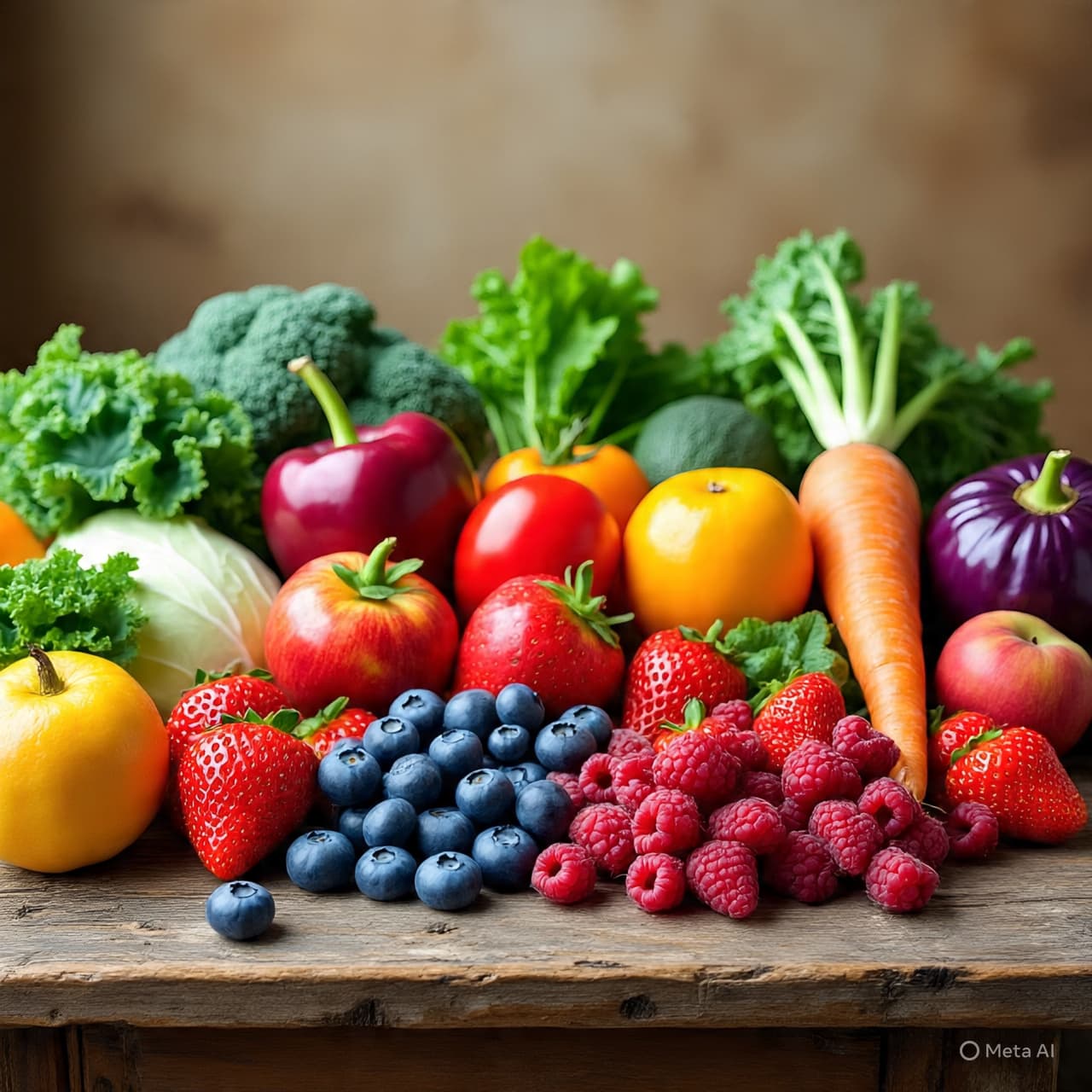
There are faces that seem to move through time as though untouched by it — not because the years have not passed, but because they have passed gently. We often search for secrets in serums and surgical light, yet sometimes the quiet answer sits much closer, resting on a plate. In the rhythm of daily meals, there may lie a subtle ally against the visible march of aging.
Wrinkles, after all, are not merely lines on the skin. They are reflections of what happens beneath — where cells divide, repair, and endure exposure to sunlight, pollution, and stress. Over time, oxidative stress — a process in which unstable molecules known as free radicals damage cells — accelerates this natural aging. Here is where antioxidants enter the conversation, not as miracle-makers, but as patient guardians.
Antioxidants are compounds found abundantly in fruits, vegetables, nuts, seeds, and certain beverages like green tea. They help neutralize free radicals, reducing cellular damage that contributes to premature aging. Vitamins C and E, beta-carotene, selenium, and polyphenols are among the most studied defenders. Berries, leafy greens, dark chocolate, olive oil, and colorful vegetables often carry these protective elements in generous supply.
Research suggests that diets rich in antioxidants may support collagen preservation — the structural protein that keeps skin firm and resilient. When collagen breaks down more slowly, the skin maintains elasticity longer. While no food can halt time entirely, consistent nutritional support may influence how gracefully the skin responds to it.
Beyond surface beauty, the implications extend deeper. Antioxidant-rich diets are also linked to improved cardiovascular health, reduced inflammation, and overall cellular stability. Aging, in this broader sense, is not solely about appearance but about maintaining vitality across systems. What nourishes the skin often nourishes the body as a whole.
Yet moderation and balance remain essential. Excessive supplementation without medical guidance does not necessarily amplify benefits and may, in some cases, cause harm. The strength of antioxidants appears most reliable when delivered through whole foods rather than isolated pills. A colorful, varied diet — rich in plants and healthy fats — consistently emerges as the most supported approach.
In the end, the “secret” of people who seem untouched by wrinkles may not be secrecy at all. It may be the steady accumulation of daily habits: hydration, sun protection, restful sleep, and meals filled with natural sources of antioxidants. Science does not promise immortality in a berry or youth in a cup of tea. It simply suggests that within nature’s palette of colors, there is quiet support for cellular resilience.
Medical experts continue to emphasize that genetics, environment, and lifestyle all influence visible aging. Antioxidant-rich foods may contribute positively, but they are one piece of a larger mosaic. As research evolves, the message remains measured: nourish consistently, protect wisely, and allow time to unfold with care.
AI Image Disclaimer: Visuals are created with AI tools and are not real photographs.
Sources: Harvard Health Publishing Mayo Clinic National Geographic BBC News Health Medical News Today
Published by Banx Network. This article is part of the Banx decentralized media programme, powered by the BXE token on the XRP Ledger.