
Key Highlights
- Ongoing Conflict:Despite a ceasefire, hostilities between Israel and Hezbollah escalate.
- Regional Tensions:Stalled US-Iran talks complicate the situation.
- Civilian Impact:Thousands displaced amid military actions.
In the delicate architecture of diplomacy, pauses often carry as much meaning as action. Across the Middle East, one such pause—between Iran and the United States—now echoes through the renewed exchanges of fire between Israel and Hezbollah. Despite a ceasefire agreement reached earlier in April, hostilities between Israel and Hezbollah have continued, with recent days witnessing an escalation in cross-border strikes. Both sides accuse each other of violating the fragile truce, highlighting the tenuous nature of peace in the region.
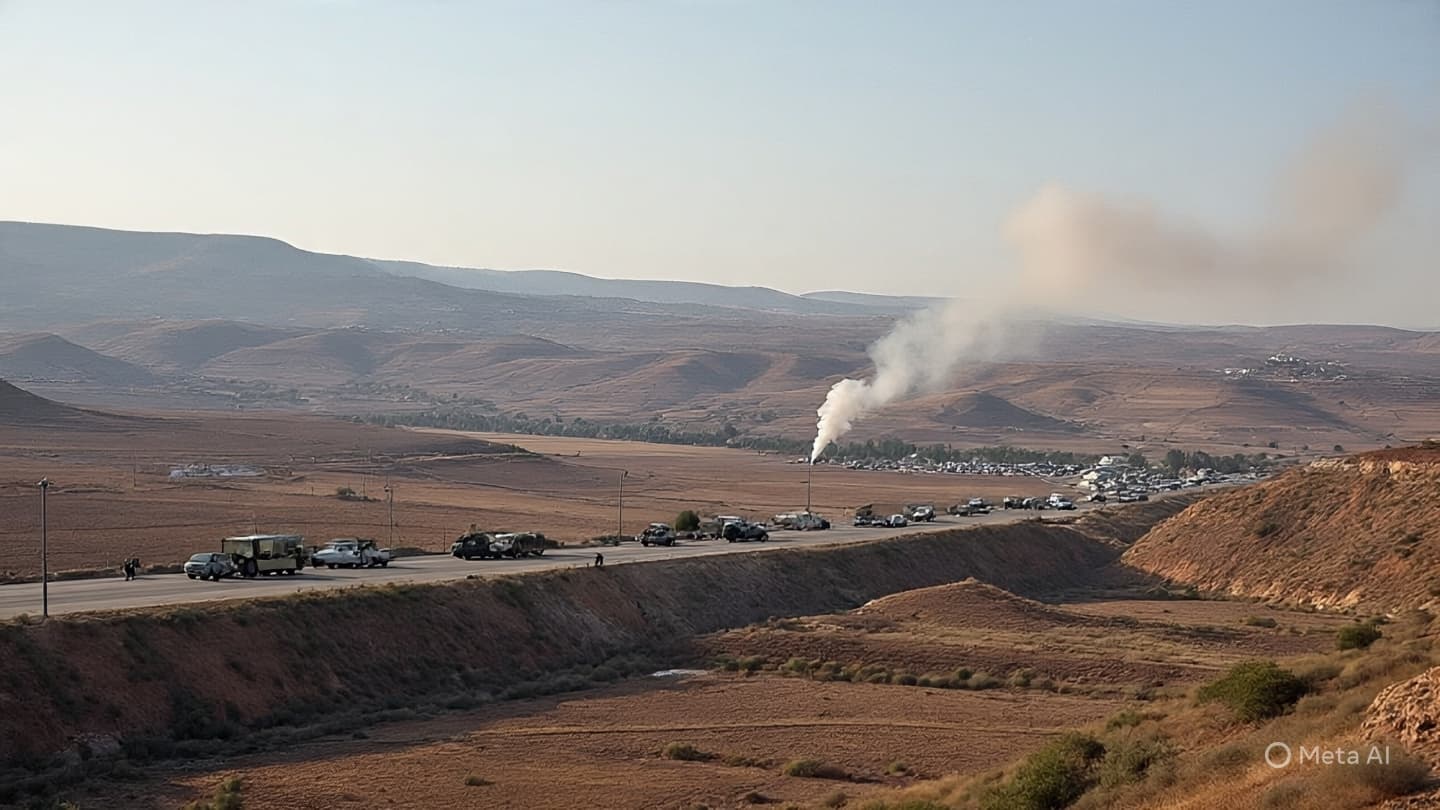
Hezbollah has carried out drone and rocket attacks targeting Israeli military positions, while Israel has responded with airstrikes across southern Lebanon. This pattern reflects a conflict that, while temporarily contained, has not truly subsided. The ongoing military actions underscore the volatility of the situation, as both parties remain entrenched in their positions.
The broader geopolitical backdrop complicates the situation further. Talks between Iran and the United States, which were expected to address nuclear concerns and regional tensions, remain on hold. Analysts suggest that the stalled negotiations reduce incentives for restraint among Iran-aligned groups, including Hezbollah. The lack of diplomatic progress may embolden these groups to act more aggressively, further destabilizing the region.
Israeli Prime Minister Benjamin Netanyahu has reiterated that military operations will continue as long as Hezbollah poses a threat. Israeli officials claim significant degradation of Hezbollah’s military infrastructure, including missile systems and logistical networks. This assertion reflects Israel's strategic objective to weaken Hezbollah's capabilities, but it also raises concerns about the potential for further escalation.
On the Lebanese side, the government faces a difficult balancing act. While engaging in diplomatic discussions with international partners, it has limited control over Hezbollah’s actions, a reality that underscores the fragmented nature of authority within the country. The Lebanese government’s inability to rein in Hezbollah complicates its diplomatic efforts and raises questions about its sovereignty.
Civilians remain caught in the crossfire. Displacement orders issued by Israel have forced thousands to leave villages in southern Lebanon, while ongoing strikes disrupt daily life and access to basic services. The humanitarian impact of the conflict is profound, as families are uprooted and communities are shattered.
Meanwhile, international mediators continue efforts to revive dialogue. The intersection of local conflict and broader regional negotiations highlights how interconnected these crises have become. For now, the ceasefire exists more as a framework than a reality. In that space between agreement and enforcement, the conflict continues to unfold—quietly reshaping the region’s fragile equilibrium.
Published by Banx Network. This article is part of the Banx decentralized media programme, powered by the BXE token on the XRP Ledger.



