
Key Highlights
- Separate ceasefire measures announced by Ukraine and Russia amid ongoing conflict.
- Military operations continue despite ceasefire declarations, affecting civilians.
- Humanitarian organizations call for coordinated efforts to aid those in need.
In the long and heavy silence between conflict and peace, words like “ceasefire” often arrive with both hope and hesitation. They are promises shaped in urgency, yet tested in the fragile reality of ongoing war. In the case of Russia and Ukraine, even these declarations now seem to echo in parallel, rather than in agreement.
Both nations have recently announced separate ceasefire measures, each framed within its own strategic and political context. While such announcements might traditionally signal a pause in hostilities, reports from the ground suggest that military operations have continued, with deadly strikes still affecting multiple regions. This ongoing violence raises questions about the effectiveness of these ceasefire declarations.
Ukrainian officials have emphasized the need for verifiable and coordinated agreements, expressing concern that unilateral declarations lack the mechanisms necessary for enforcement. They argue that without mutual confirmation, the impact of these ceasefires remains limited. Meanwhile, Russian statements have presented their ceasefire initiatives as humanitarian gestures, yet the lack of a unified approach undermines their credibility.
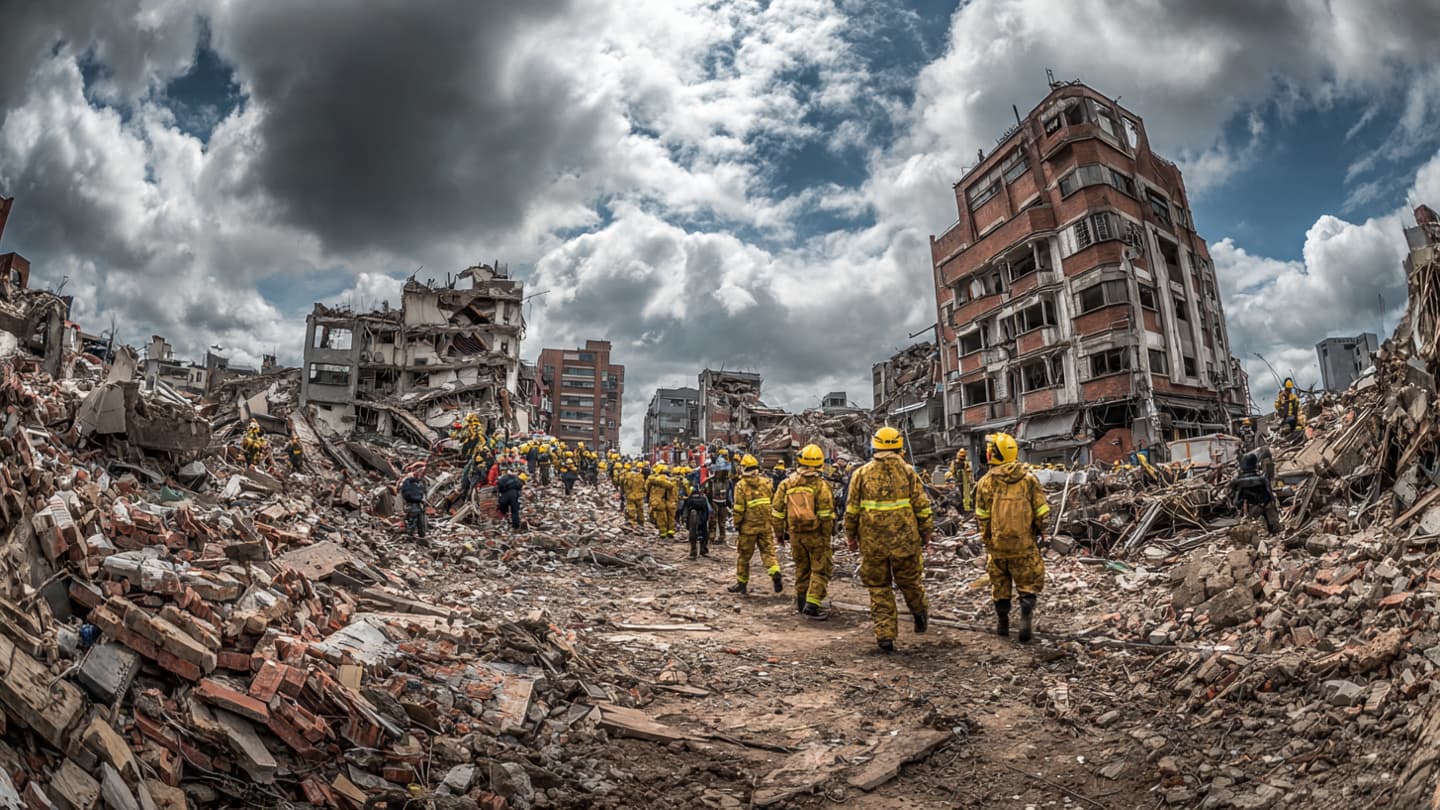
On the front lines, the reality appears unchanged. Explosions, artillery exchanges, and drone activity continue to shape daily life for civilians and soldiers alike. In cities near contested areas, residents navigate a routine defined by uncertainty—sirens, shelters, and the constant calculation of risk. This stark contrast between declared ceasefires and the lived experience of those in conflict zones highlights the complexities of achieving lasting peace.
International observers have noted the divergence in messaging, highlighting the absence of a unified framework for de-escalation. Diplomatic channels remain active, yet progress has been incremental, often overshadowed by developments on the battlefield. The lack of a cohesive strategy complicates efforts to establish a sustainable ceasefire that can lead to meaningful negotiations.
Humanitarian organizations continue to call for sustained pauses in fighting to allow for evacuation, aid delivery, and infrastructure repair. Without coordinated ceasefires, these efforts face significant obstacles, limiting access to those most in need. The humanitarian crisis exacerbated by the ongoing conflict underscores the urgency of establishing a reliable ceasefire framework.
The broader geopolitical landscape also plays a role. External support, shifting alliances, and strategic calculations all influence how ceasefire proposals are framed and received. In this environment, even gestures toward peace are interpreted through layers of caution. The interplay of international relations and local realities complicates the path toward a lasting resolution.
For those living within the conflict zone, the distinction between declared ceasefires and lived experience can feel stark. Words may suggest stillness, but the ground often tells a different story. As diplomatic efforts continue, the effectiveness of ceasefire declarations will likely depend on mutual agreement, verification, and a sustained commitment to reducing violence. Only then can the hope for peace transform from mere rhetoric into a tangible reality.
Published by Banx Network. This article is part of the Banx decentralized media programme, powered by the BXE token on the XRP Ledger.



