Key Highlights
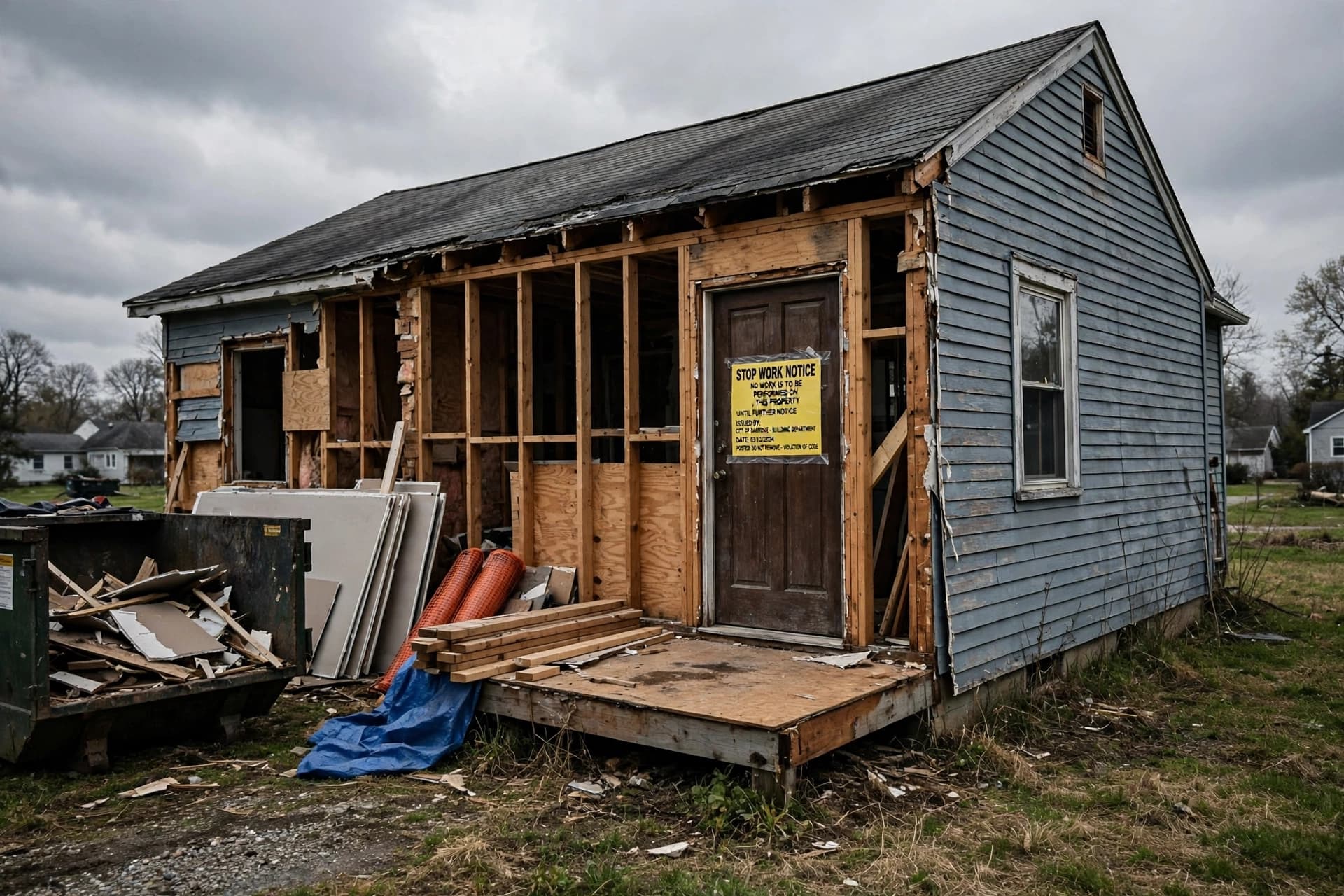
- Rising Theft:Recent reports indicate a significant increase in property theft in the city.
- Community Response:Expatriate associations are demanding increased police patrols in affected areas.
- Psychological Impact:The rise in crime is altering daily life and community interactions.
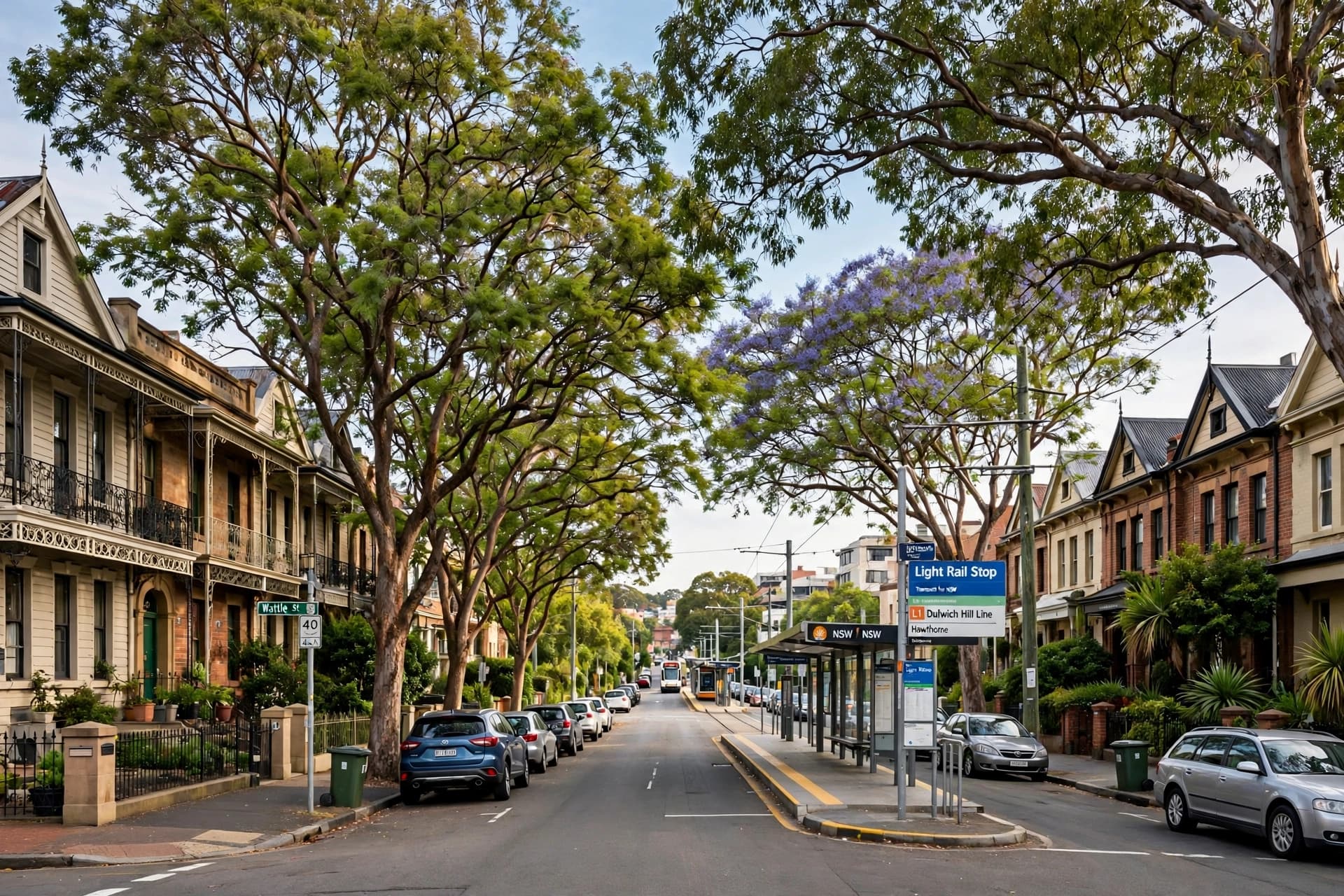
The charm of a capital city often lies in its accessibility, the ease with which newcomers can wander through historic quarters, sit in parks, and feel a sense of belonging. For years, the urban landscape has enjoyed a reputation as a welcoming haven, a place where life unfolds at a tranquil pace. However, as property theft begins to rise, it introduces an invisible friction that alters how both residents and visitors interact with the streets.
Property crime, often classified as a minor infraction compared to violent offenses, carries a heavy psychological weight. The violation of a home, the sudden loss of a personal item on a sidewalk, or the broken window of a parked car chips away at the fundamental sense of sanctuary. This creates an atmosphere of continuous vigilance, where every stranger is observed with a hint of suspicion.
This shifting environment is particularly noticeable within the growing community of expatriates and international professionals who chose the city for its tranquil lifestyle. Drawn by the promise of security, many find themselves disoriented by the necessity of adapting to a landscape of heightened precaution. The realization that personal property is no longer secure without constant vigilance can sour the initial romance of relocation.
As news of frequent robberies spreads through online forums and expat networks, the city’s global brand begins to experience subtle, damaging devaluation. Potential investors, remote workers, and retirees who once viewed the capital as an ideal destination start to look elsewhere, comparing its safety metrics against competing regional hubs. The loss is not merely reputational; it impacts the real estate market and the local service economy that caters to international residents.
For lifelong residents, the rise in property theft alters the daily habits that once defined neighborhood culture. The tradition of leaving doors unlocked during a hot afternoon or chatting on the sidewalk with a phone in hand is gradually abandoned in favor of a more insular lifestyle. Neighbors invest in heavier deadbolts, brighter exterior lighting, and community watch groups, turning formerly open blocks into defensive enclaves.
The psychological toll extends to the public spaces of the city, which begin to lose their democratic, relaxed character. Parks that were once filled with families until late in the evening thin out earlier, and the casual enjoyment of the urban environment is replaced by a calculated effort to minimize personal vulnerability. The collective landscape becomes smaller, constrained by the fear of loss.
Addressing this trend requires more than just an increased police presence; it demands a deeper understanding of the socio-economic factors driving individuals toward petty crime. Until the underlying issues are mitigated, the city must grapple with this ongoing erosion of public trust, working to preserve the welcoming spirit that has always been its greatest asset.
Recent municipal security briefings revealed an upward trend in reported burglaries and opportunistic thefts within primary residential and coastal districts. Expatriate community associations have held public meetings with local precinct commanders to request targeted patrols in areas with high concentrations of international residents. Internal security officials stated that new mobile monitoring units and improved street-level lighting are being deployed to deter property crimes in vulnerable urban zones.
Published by Banx Network. This article is part of the Banx decentralized media programme, powered by the BXE token on the XRP Ledger.