
Key Highlights
- MSF's Conditional Agreement: Doctors Without Borders has agreed to partially disclose staff information to Israeli authorities.
- Regulatory Demands:Israel's new requirements for transparency have led to the revocation of MSF's operating licenses.
- Tension Between Aid and Security:The situation highlights the conflict between humanitarian principles and national security measures.
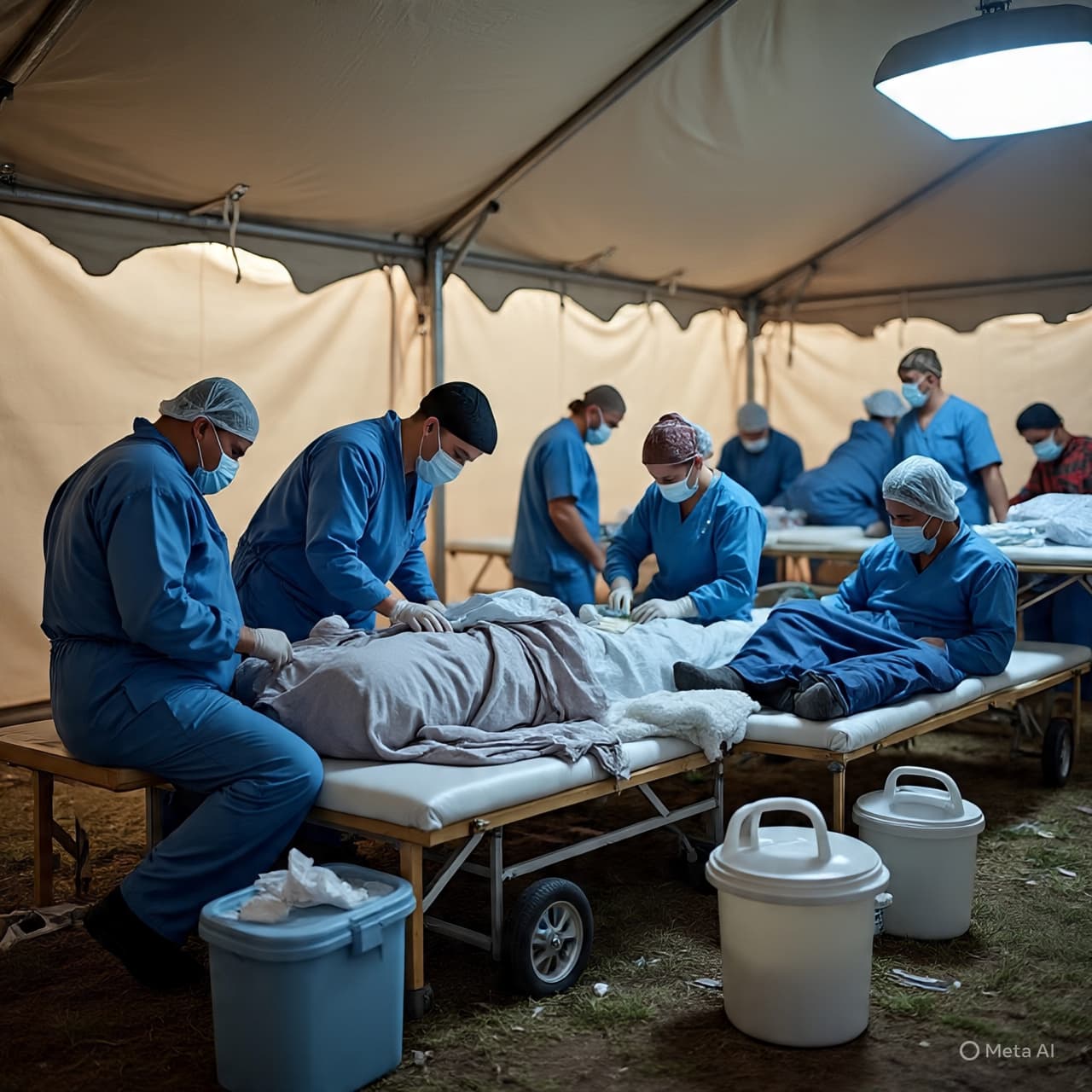
In the weary cadence of conflict, even the helpers can become subjects of dispute. For weeks, the hum of medical tents and the quiet passage of humanitarian vehicles in Gaza and the West Bank has existed against a backdrop of tension, suspicion, and political fracture. Recently, that quiet has shifted: Doctors Without Borders (MSF), the humanitarian medical organization known widely by its French acronym, has agreed to disclose a partial staff list to Israeli authorities in hopes of keeping its clinics and care programs open—but not without prompting fierce debate on the nature of aid in wartime.
The dispute centers on new regulatory requirements imposed by Israeli officials, who in recent months demanded that all international aid organizations operating in these territories provide full transparency about their personnel. Israel revoked MSF’s operating licenses after accusing some of the organization’s staff of having ties to militant groups, including Hamas and Palestinian Islamic Jihad. The Israeli government asserted that any review of personnel must include those linked to entities it considers terrorist organizations.
MSF responded to these demands with deep caution, describing them as “unreasonable” and stressing that handing over sensitive personal information could endanger staff on the ground. In a statement, the organization indicated it would share a defined list of Palestinian and international personnel only as an exceptional measure and only with the clear consent of those individuals. This decision aims to avoid being forced to suspend lifesaving medical operations after March 1. MSF emphasized that keeping its teams safe while continuing to deliver critical care remains its priority.
The Israeli government has maintained a firm stance, indicating that partial disclosure may not meet its licensing requirements and that full transparency is necessary for any organization to be authorized to operate in a conflict zone. Authorities have pointed to allegations, including claims that some MSF employees were affiliated with militant activities, as reinforcing the need for stringent vetting.
This situation highlights a broader friction between humanitarian principles and national security measures. Aid groups argue that procedures like staff registration and vetting should not unduly hinder the delivery of medical assistance to vulnerable populations, particularly amid intense humanitarian need. MSF has repeatedly described its work as neutral and independent, aimed solely at providing health care in dire circumstances.
Yet for Israeli officials, ensuring that organizations operating within areas affected by ongoing violence do not inadvertently undermine security imperatives has become a core demand. The current impasse reflects deeper complexities about how humanitarian work interfaces with robust state security protocols during protracted conflict.
For now, MSF’s conditional agreement to disclose part of its staff information stands as a tentative step toward continued operations, but it also underscores the precarious balance between delivering care and navigating political mandates in a war-torn landscape. As the deadline approaches, both sides remain watchful, aware that lives on and off the battlefield rest on decisions being made in diplomatic and bureaucratic corridors far from hospital tents.
Published by Banx Network. This article is part of the Banx decentralized media programme, powered by the BXE token on the XRP Ledger.



