There are substances we tend to think of as endings. Carbon, in its most familiar forms, often feels like the residue of something already spent—a trace of combustion, a quiet reminder of processes completed. And yet, in the hands of careful inquiry, even what appears final can become a beginning again. Chemistry, patient and deliberate, has a way of reopening such conclusions, turning remnants into possibilities.
In recent research, scientists have been exploring new methods of transforming carbon—particularly carbon dioxide—into useful chemical compounds. What was once regarded primarily as a byproduct of industrial activity is now being reconsidered as a resource, one that can be reshaped and reintegrated into cycles of production.
The process itself is neither simple nor immediate. Carbon dioxide is a stable molecule, reluctant to change, requiring energy and precise conditions to be converted into other forms. Researchers have been developing catalysts—materials that can encourage chemical reactions without being consumed—to lower these barriers. Through such systems, carbon dioxide can be guided into reactions that produce fuels, building blocks for plastics, or other valuable substances.
There is a certain elegance in this approach. Rather than extracting new raw materials, the process works with what already exists, redirecting it through carefully controlled pathways. It reflects a broader shift in thinking—one that sees waste not as an endpoint, but as part of a continuum that can be extended with the right tools.
Electrochemical methods have emerged as a particularly promising avenue. By using electricity, often sourced from renewable energy, scientists can drive reactions that convert carbon dioxide into compounds such as carbon monoxide, methanol, or ethylene. Each of these products has applications across industries, from manufacturing to energy storage. In this way, the transformation of carbon becomes not only a scientific achievement, but a potential contribution to more sustainable systems.
Yet, the work remains at a stage of refinement. Challenges persist in scaling these processes, improving efficiency, and ensuring that the energy input required does not outweigh the benefits. The balance between feasibility and aspiration is carefully maintained, with researchers continuing to test, adjust, and iterate.
There is also a recognition that no single solution will address the broader complexities of carbon emissions and climate change. Turning carbon into chemistry is one approach among many, part of a larger effort to rethink how materials are used, reused, and valued.
Still, the significance of this work lies in its perspective. It suggests that even the most familiar substances can be reconsidered, that what seems fixed may, under the right conditions, become fluid again. It is a quiet reimagining of possibility, grounded not in dramatic change, but in steady, methodical progress.
The research has been reported in leading chemistry and materials science journals, with ongoing studies focused on improving catalyst performance and expanding the range of achievable products. Scientists continue to explore how these processes can be integrated into industrial systems, contributing to efforts aimed at reducing carbon emissions while creating useful materials.
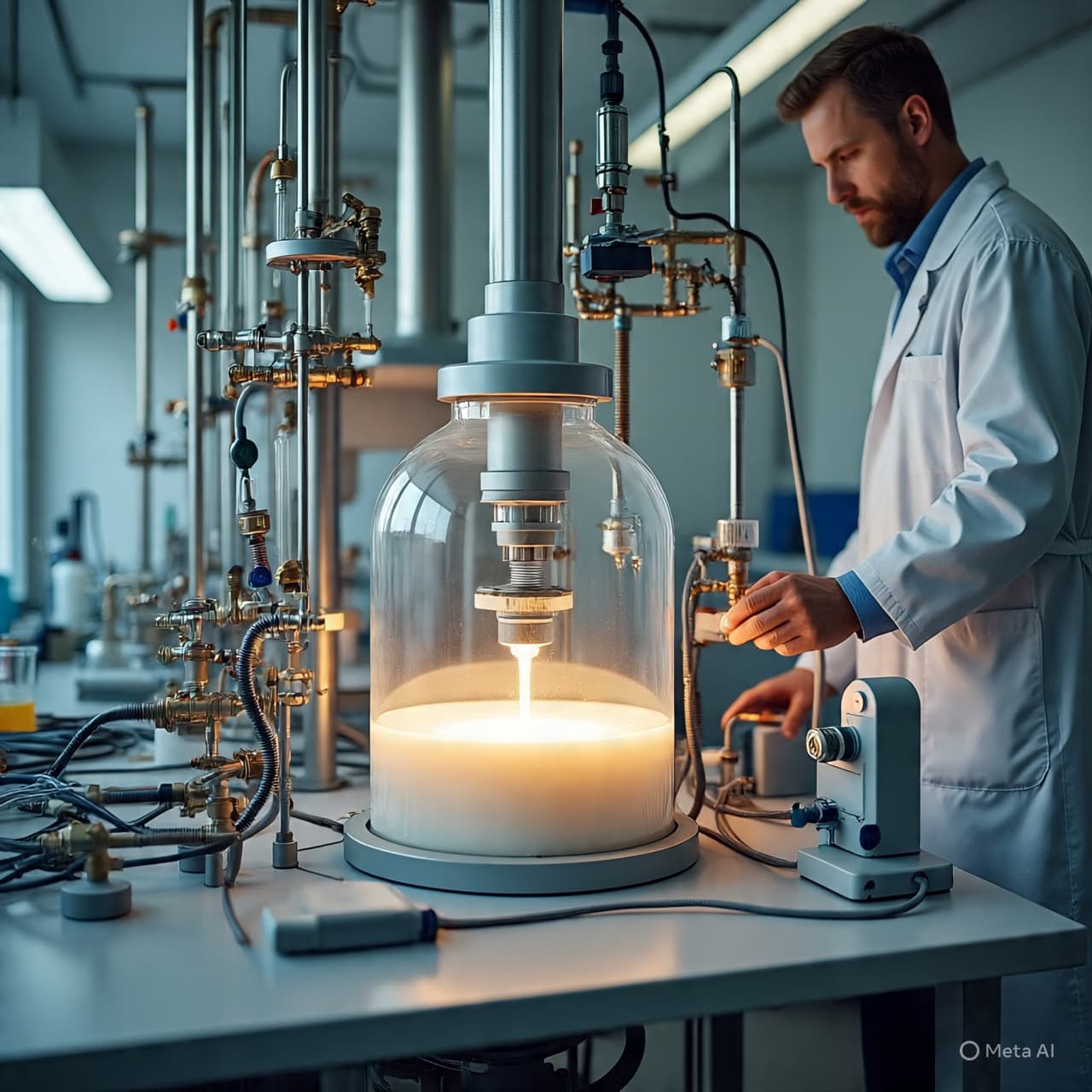
AI Image Disclaimer Illustrations were produced with AI and serve as conceptual depictions.AI Image Disclaimer Illustrations were produced with AI and serve as conceptual depictions.
Source Check — Credible Coverage Exists
Relevant coverage and scientific reporting found in:
Nature Science Magazine MIT Technology Review Chemical & Engineering News Phys.org
Published by Banx Network. This article is part of the Banx decentralized media programme, powered by the BXE token on the XRP Ledger.