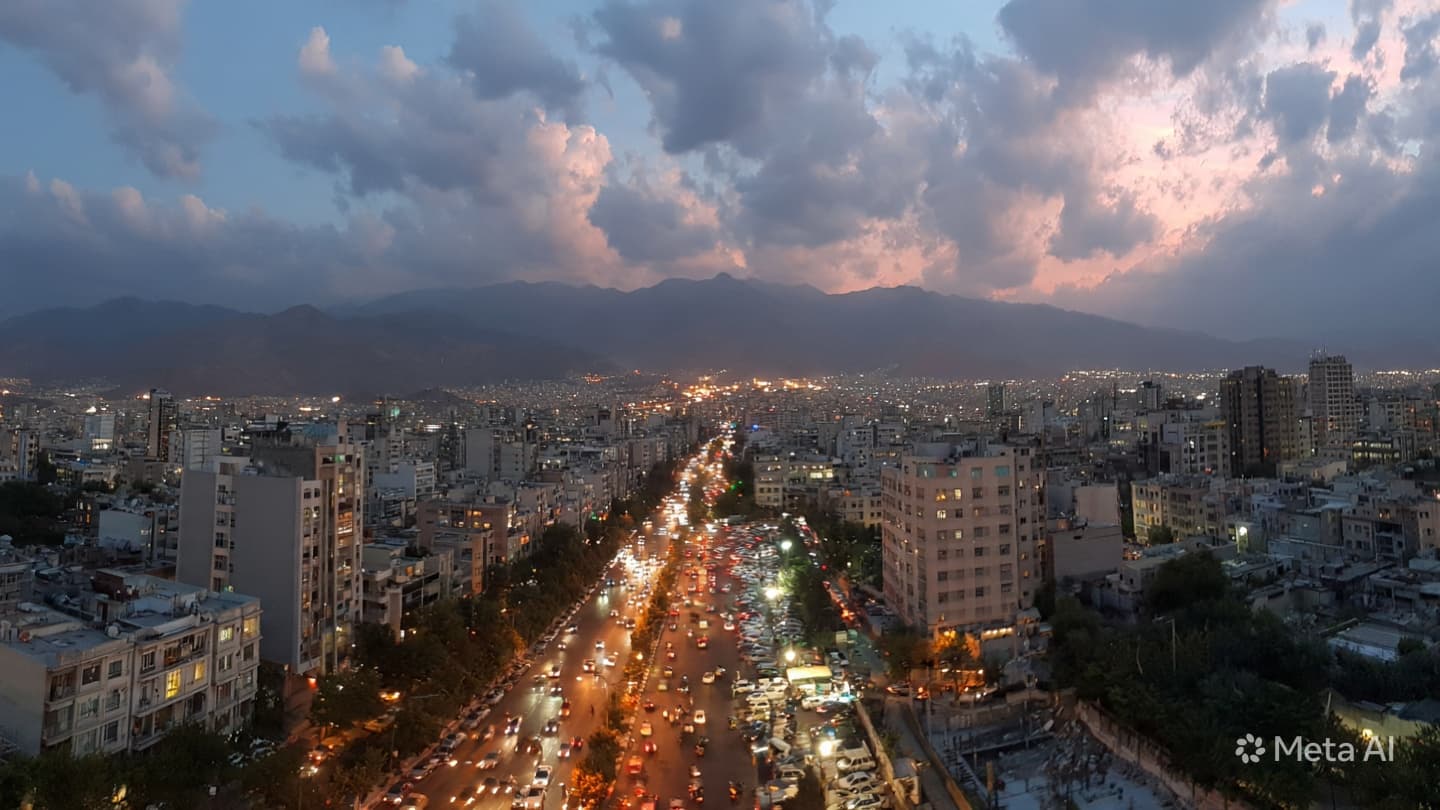
The vast sprawl of Tehran handles its daily existence with an intense, rhythmic energy, a collective movement where millions of individual trajectories intersect along historical avenues and modern highways. Within this sea of human movement, the shared corridors of the metropolis are meant to serve as neutral territory, spaces where the common citizen steps forward with a reasonable expectation of peace and continuity. Yet, when the equilibrium of these public pathways is abruptly punctuated by moments of predatory intent, a subtle chill ripples through the broader fabric of the urban community.
To navigate the capital during its peak hours is to understand the fragile nature of personal security within a highly concentrated environment. The sudden appearance of opportunistic violence, targeting the unsuspecting pedestrian or the isolated commuter, alters the unspoken contract that binds city dwellers together. It introduces an uninvited element of caution, forcing a quiet reexamination of surroundings that previously felt entirely routine and predictable.
In response to these emerging tremors within the urban landscape, a sweeping operation was set into motion across multiple sectors of the capital, aimed at restoring the baseline sanctuary of the streets. The coordinated initiative unfolded not as a singular event, but as a systematic wave moving through complex neighborhoods where density often provides a convenient veil for illicit activities. Through disciplined surveillance and timely intervention, law enforcement units systematically addressed the networks responsible for these public disruptions.
The operational landscape required a nuanced understanding of urban geography, tracking patterns of movement that shifted rapidly between congested markets and transit hubs. Over forty individuals, whose actions had collectively weighed upon the collective peace of the thoroughfares, were separated from the crowds they had previously exploited. This targeted intervention serves as a structural correction, an explicit statement that the shared spaces of the capital cannot be surrendered to the whims of lawless elements.
For the neighborhoods that watched these developments unfold, the aftermath brings a palpable sense of physical relief, a quiet lowering of shields that had been instinctively raised during a season of heightened anxiety. The presence of authority, transitioning from active tactical engagement back to steady patrol, provides a reassuring frame for the resumption of normal commercial and social life. It allows the natural spirit of the avenues to reemerge, free from the immediate threat of sudden loss.
The social implications of such widespread enforcement go beyond the immediate removal of bad actors from the public square. They initiate an essential dialogue regarding the long-term maintenance of urban stability and the ongoing socio-economic pressures that frequently feed these undercurrents of desperation and crime. A city as dynamic as Tehran must constantly balance its physical growth with the reinforcement of its ethical and legal boundaries.
As the initial dust from the sweep begins to settle, municipal administrators and community leaders are focusing their attention on sustaining the ground that has been reclaimed. Ensuring that these avenues remain genuinely safe requires a continuous commitment, an integration of community alertness with professional oversight that operates long after the major campaigns have concluded. The objective remains a city where movement is defined by liberty rather than apprehension.
Ultimately, the enduring character of the metropolis is found not in the temporary disruptions it experiences, but in its profound capacity to assert order and preserve the integrity of its common grounds. The recent operations demonstrate a structured resolve, a reminder that the pathways of the capital belong inherently to the collective citizenry who build and sustain them. With the completion of these actions, the capital accepts the return of its steady, industrious pace.
In recent legal developments, the municipal police department of Tehran announced the successful execution of a major city-wide anti-crime initiative, resulting in the apprehension of over forty suspects linked to violent street robberies. The targeted sweep targeted multiple high-incidence zones, recovering significant quantities of stolen personal property and weapons. All detained individuals have been transferred to the judiciary for formal processing and indictment
Published by Banx Network. This article is part of the Banx decentralized media programme, powered by the BXE token on the XRP Ledger.