

There are places where technology feels less like an industry and more like a gathering of ideas finding their place in the world. Graz, long known for its academic and engineering heritage, seems to be stepping into such a role once again—this time as a focal point for artificial intelligence infrastructure, drawing attention through a substantial $400 million in venture capital investment.
The movement of capital into this tech hub can be seen as a kind of quiet migration—investors, like careful navigators, placing their confidence where they believe the ground is fertile. In Graz, that ground appears to be shaped by research institutions, emerging startups, and a growing ecosystem that supports innovation not in bursts, but in sustained, thoughtful development.
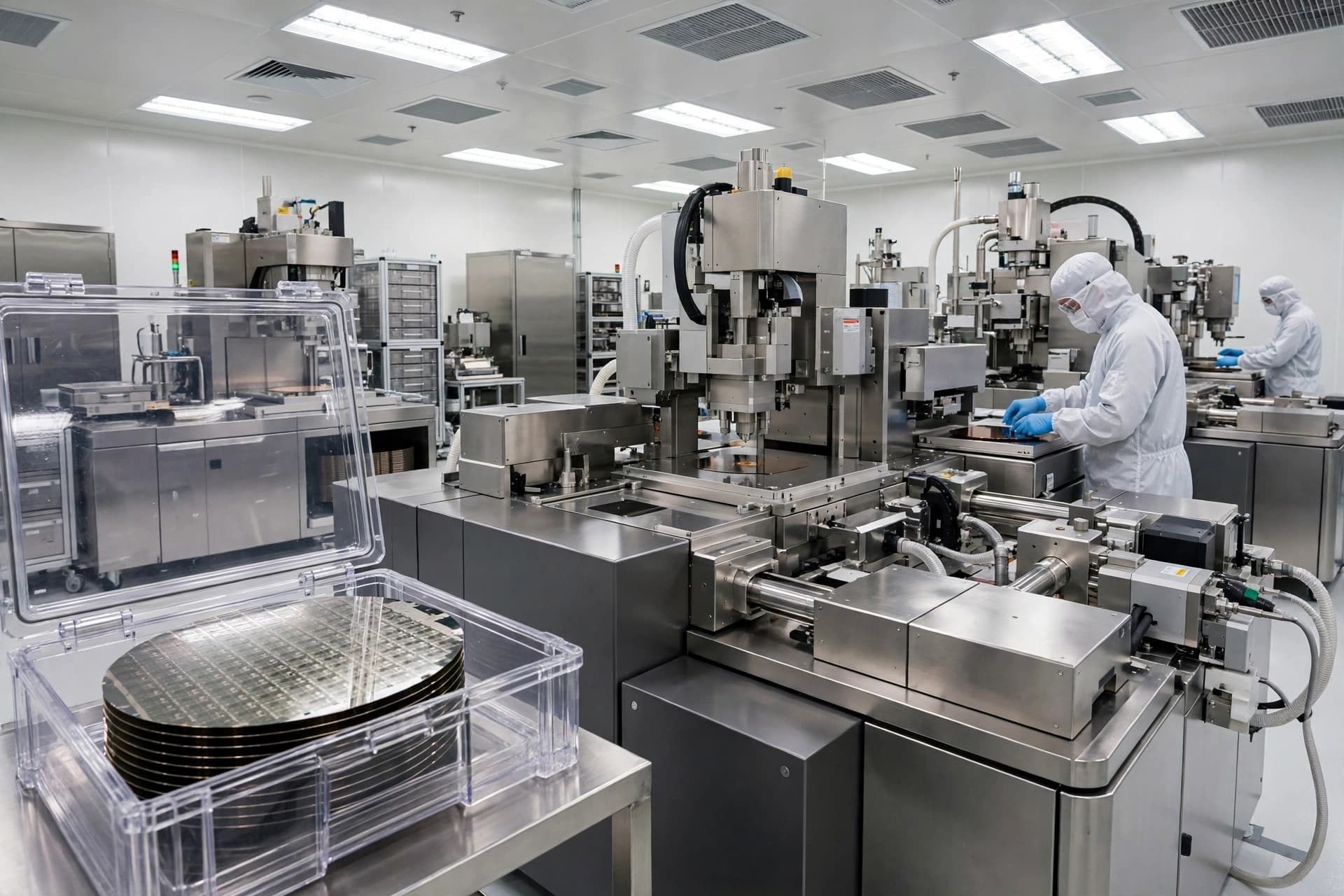
Artificial intelligence infrastructure, often hidden behind the more visible applications we interact with daily, forms the backbone of this new digital landscape. It is less about the surface experience and more about the underlying systems—data centers, computing frameworks, and scalable architectures—that allow intelligence to function at scale. The investment into Graz suggests a recognition of this foundation as a critical layer in the evolving technological narrative.
There is something almost architectural about this kind of growth. Just as a city is not built by a single structure, but by layers of planning and interconnected systems, the development of AI infrastructure depends on a similar accumulation of components. Graz, in this sense, is not merely receiving funding—it is being shaped into a space where future technologies can be built, tested, and refined.
The presence of venture capital at this scale also reflects a broader confidence in the direction of AI development. Investors often move not just toward innovation, but toward ecosystems that can sustain it. Graz’s positioning—supported by academic research, skilled talent, and a collaborative environment—appears to align with these expectations, creating a landscape where ideas can move from concept to application with fewer obstacles.
Yet, beneath the scale of the investment, there remains a sense of measured progress. The $400 million figure, while significant, is part of a much larger global flow of capital into artificial intelligence. What distinguishes Graz is not just the size of the investment, but the intention behind it—the focus on infrastructure, the emphasis on long-term capability, and the alignment with broader technological shifts.
This moment also speaks to a subtle rebalancing of innovation centers. While major global cities often dominate headlines, hubs like Graz remind us that technological advancement is not confined to a single geography. Instead, it spreads across networks of expertise, where smaller regions can play pivotal roles in shaping global outcomes.
As development unfolds, the true impact of this investment will likely emerge gradually. Infrastructure does not reveal its influence immediately; instead, it supports the systems that eventually define user experiences, business models, and digital ecosystems. In this way, Graz’s role may grow quietly, yet meaningfully, over time.
For now, the city stands at an interesting intersection—where capital, research, and ambition converge. The $400 million investment marks not an endpoint, but a beginning of continued development, suggesting that Graz is positioning itself as a lasting contributor to the future of artificial intelligence.
Published by Banx Network. This article is part of the Banx decentralized media programme, powered by the BXE token on the XRP Ledger.

.jpg&w=3840&q=75 "India Says First Phase of U.S. Trade Deal Is Nearly Done, Seeks Edge Over Rivals")