Across Thailand, a different kind of industrial landscape is beginning to emerge. Beyond factories and traditional production lines, enormous buildings filled with servers are becoming part of the country's economic horizon. In the first half of 2026, that transition became visible in the scale of investment applications flowing toward digital infrastructure and artificial intelligence.
Thailand received investment applications worth $43.6 billion across 1,299 projects during the first six months of 2026, according to the Thailand Board of Investment. The total represented a 37 percent increase from the same period a year earlier, with digital infrastructure and AI data centers among the principal drivers of the expansion.
The digital sector alone accounted for about $33 billion in applications. The figure illustrates how quickly computing infrastructure has moved from being a specialized part of the technology economy toward becoming a major destination for industrial capital.
Data centers require far more than buildings and computer equipment. They depend on reliable electricity, cooling systems, telecommunications networks, physical security, and increasingly large quantities of computing hardware. Their arrival therefore creates connections with construction, engineering, energy, electronics, logistics, and other industries.
For Thailand, the investment wave comes as companies across the region seek locations capable of supporting the rapidly expanding demand for artificial intelligence. Training and operating advanced AI systems requires substantial computing capacity, creating a new competition among Asian economies to provide the infrastructure beneath the digital economy.
Thailand already possesses an established manufacturing base that can support part of this transition. Electronics companies operating in the country produce equipment connected to data-center power systems, cooling, optical communications, networking, storage, and other infrastructure.
The scale of investment is also reflected in employment and industrial activity. Projects approved by the BOI during the first half of the year are expected to create more than 82,000 jobs and contribute to domestic supply chains, while potentially increasing annual export capacity by more than $36.8 billion.
Yet the expansion brings practical questions. Large data centers consume significant amounts of electricity and require cooling systems that can place additional demands on water resources. Thailand has therefore begun placing greater emphasis on the quality and sustainability of new data-center projects rather than simply measuring investment by its monetary value.
That balance may become increasingly important as Thailand tries to move higher within the technology supply chain. Investment can build infrastructure, but lasting economic benefits depend on skills, local suppliers, research capabilities, and opportunities for domestic companies to participate.
For now, the numbers describe a country moving through a significant industrial transition. Thailand's $43.6 billion first-half investment pipeline shows how artificial intelligence and digital infrastructure are becoming increasingly intertwined with the country's broader economic landscape, bringing data centers, electronics, advanced manufacturing, and new employment opportunities into the same expanding horizon.
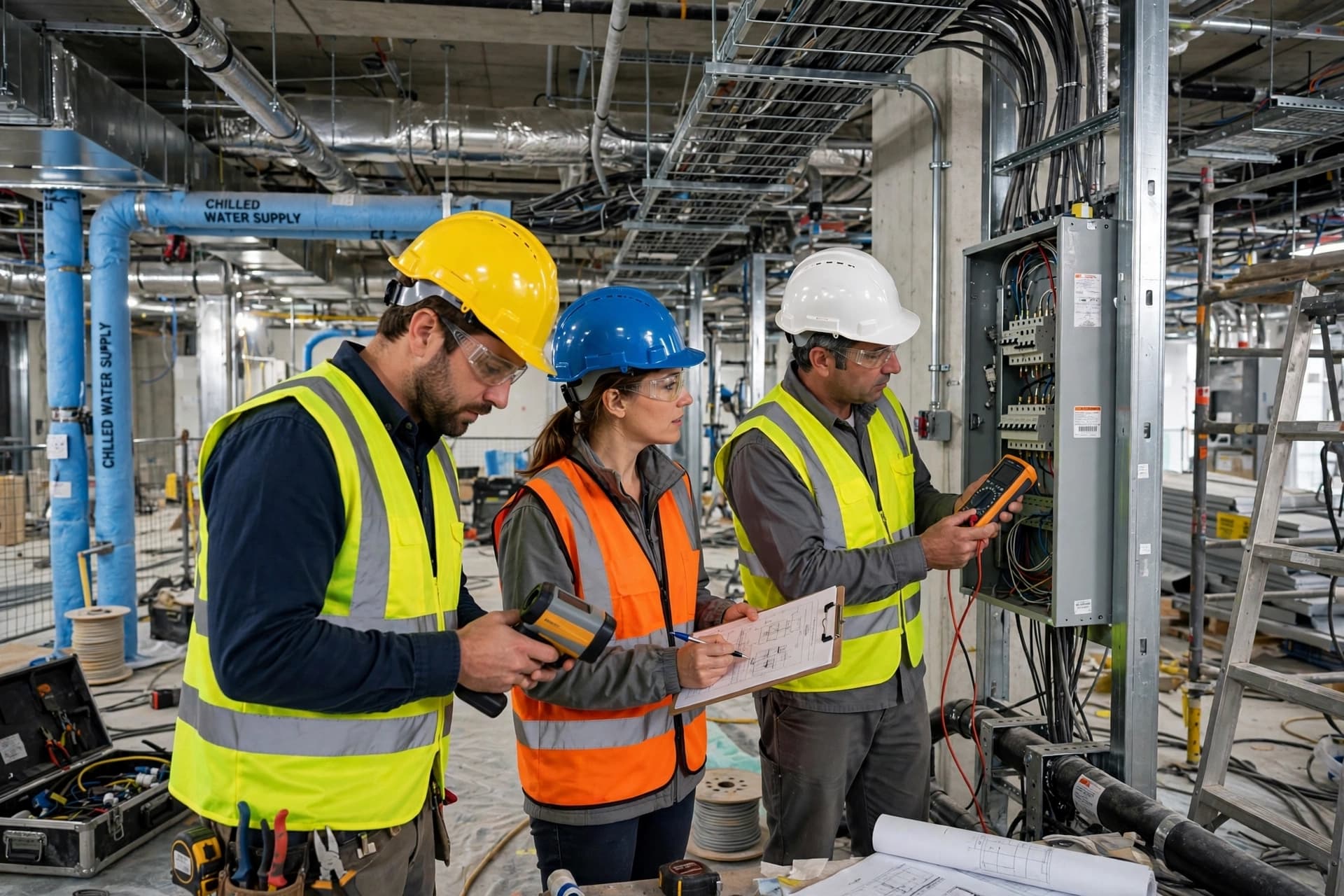
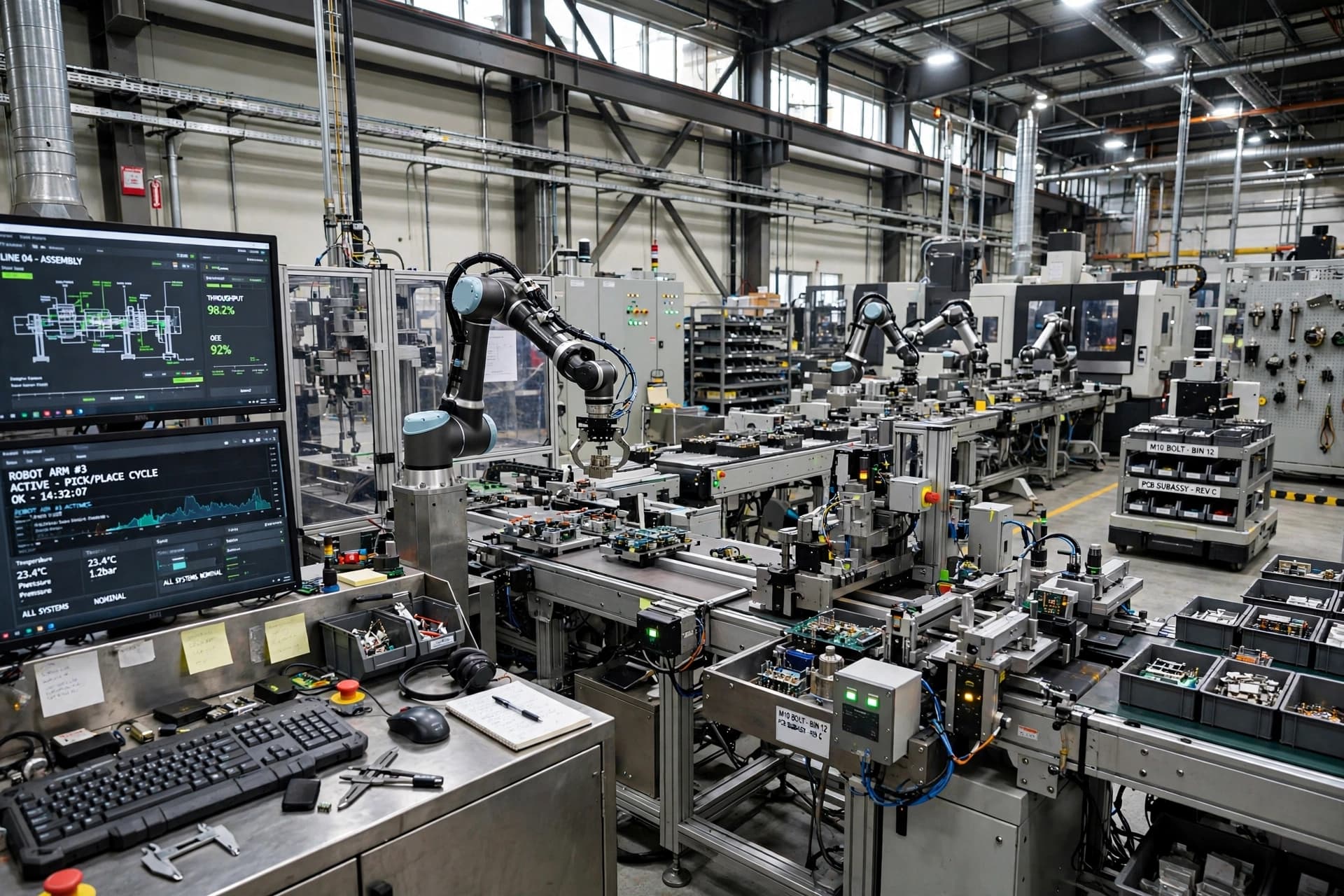
AI Image Disclaimer Visuals are AI-generated and serve as conceptual representations of Thailand's evolving digital infrastructure.
Sources Thailand Board of Investment The Nation Thailand Reuters
Published by Banx Network. This article is part of the Banx decentralized media programme, powered by the BXE token on the XRP Ledger.