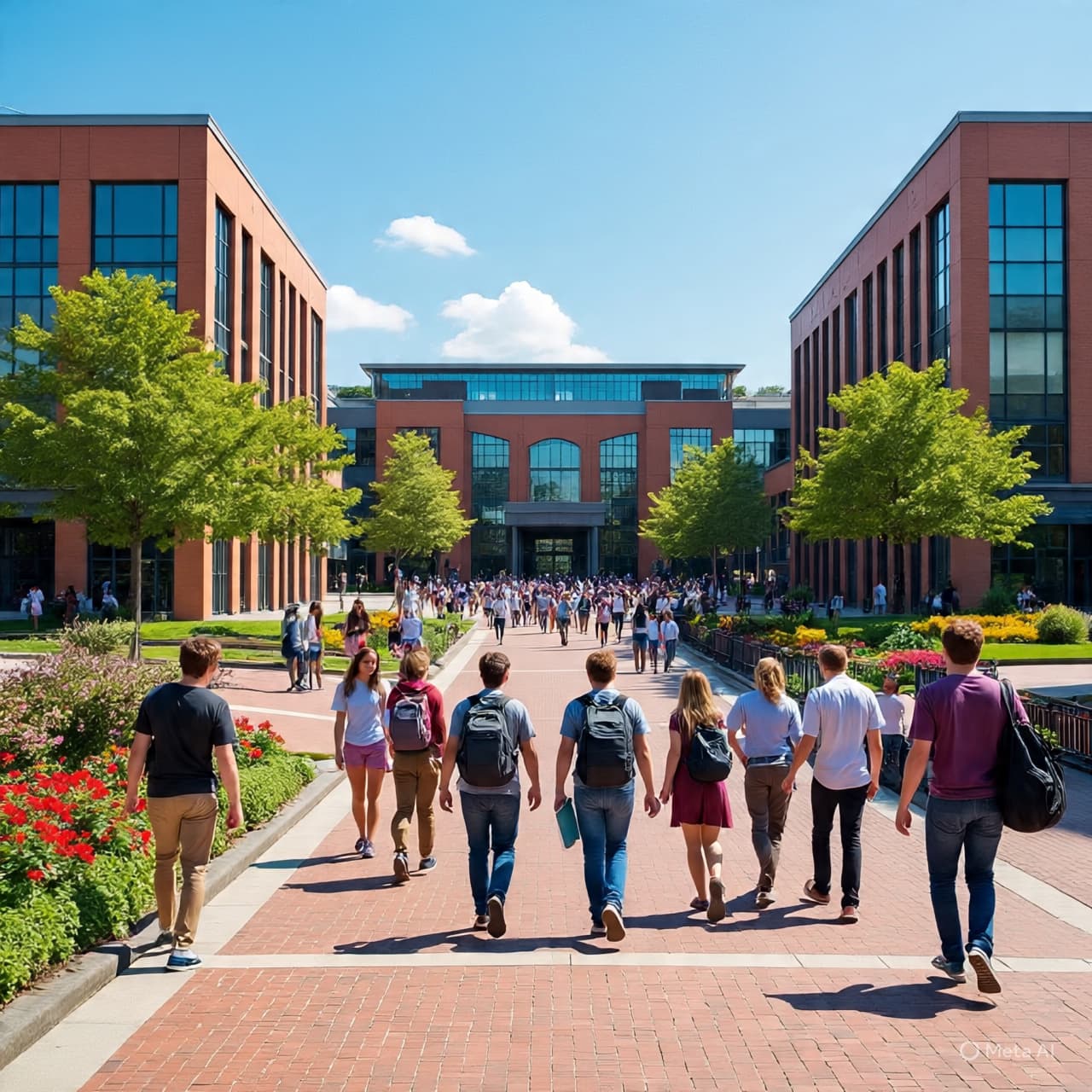
On a crisp winter morning, a campus resembles a carefully tended garden — pathways lined with footsteps, students moving through classrooms and green spaces with the ease of routine. But when an invisible virus enters this cultivated rhythm, even the most familiar paths can feel unexpectedly fragile, urging communities to pause and reflect on the ties that bind us.
Across the United States this season, measles — a highly contagious viral disease once declared eliminated in this country — is again making its presence felt in places of higher learning. In recent weeks, several universities have reported cases, drawing attention to how quickly the virus can move through dense populations where people live, study and socialize in close quarters.
At Ave Maria University in Florida, clusters of measles cases among students have prompted health monitoring and outreach, even though a high proportion of the student body has reported vaccination. Elsewhere in the state, the University of Florida in Alachua County confirmed two cases tied to campus exposure, leading to contact tracing efforts in two classrooms.
In the Southeast, South Carolina colleges such as Clemson University and Anderson University have also identified measles cases, underscoring the broader spread of the virus beyond families with young children to older student populations. In these situations, health departments have coordinated quarantine and isolation procedures while campus health officials communicate guidance to students, faculty and staff.
Across the Midwest, the University of Wisconsin–Madison reported a student confirmed with measles who had been contagious before isolation, with public notifications issued about possible places on and off campus where exposure may have occurred.
Public health experts say college campuses, with their residence halls, dining facilities and social events, can be fertile ground for respiratory infections because of shared indoor spaces and close interactions that are the fabric of student life. Even when vaccination rates are high, measles’ contagiousness can lead to breakthrough clusters, especially when immunization coverage isn’t uniform or when visitors and new students arrive from regions with lower vaccination.
Measles spreads through respiratory droplets and can linger in the air for up to two hours after an infected person leaves a room, making it a formidable challenge for densely populated settings. Symptoms, including fever, cough, runny nose and rash, may appear more than a week after exposure; public health guidance typically recommends checking vaccination status and monitoring for signs of illness, with early communication to healthcare providers to prevent further spread.
Colleges and universities are responding with a mix of outreach, isolation protocols, and appeals for up-to-date vaccination against measles, mumps and rubella (MMR). Some campus health services are hosting information sessions, reviewing immunization records, and coordinating with local health departments to manage confirmed cases and notifications to exposed individuals.
In the broader context, this spread to college campuses reflects larger measles activity in the United States this year, with hundreds of cases reported in multiple states. While children and families often make up the majority of cases, the virus does not respect age lines; it can find susceptible pockets wherever immunity gaps exist. As students move between home and school, the potential for exposure extends beyond campus boundaries into the wider community.
In straightforward reporting, multiple U.S. college campuses have reported confirmed measles cases in early 2026. Instances include clusters at Ave Maria University in Florida, two cases linked to classroom exposure at the University of Florida, and single cases at Clemson University and Anderson University in South Carolina, as well as at the University of Wisconsin–Madison. Local health departments and campus health services are actively conducting contact tracing and issuing guidance on vaccination, quarantine and symptom monitoring.
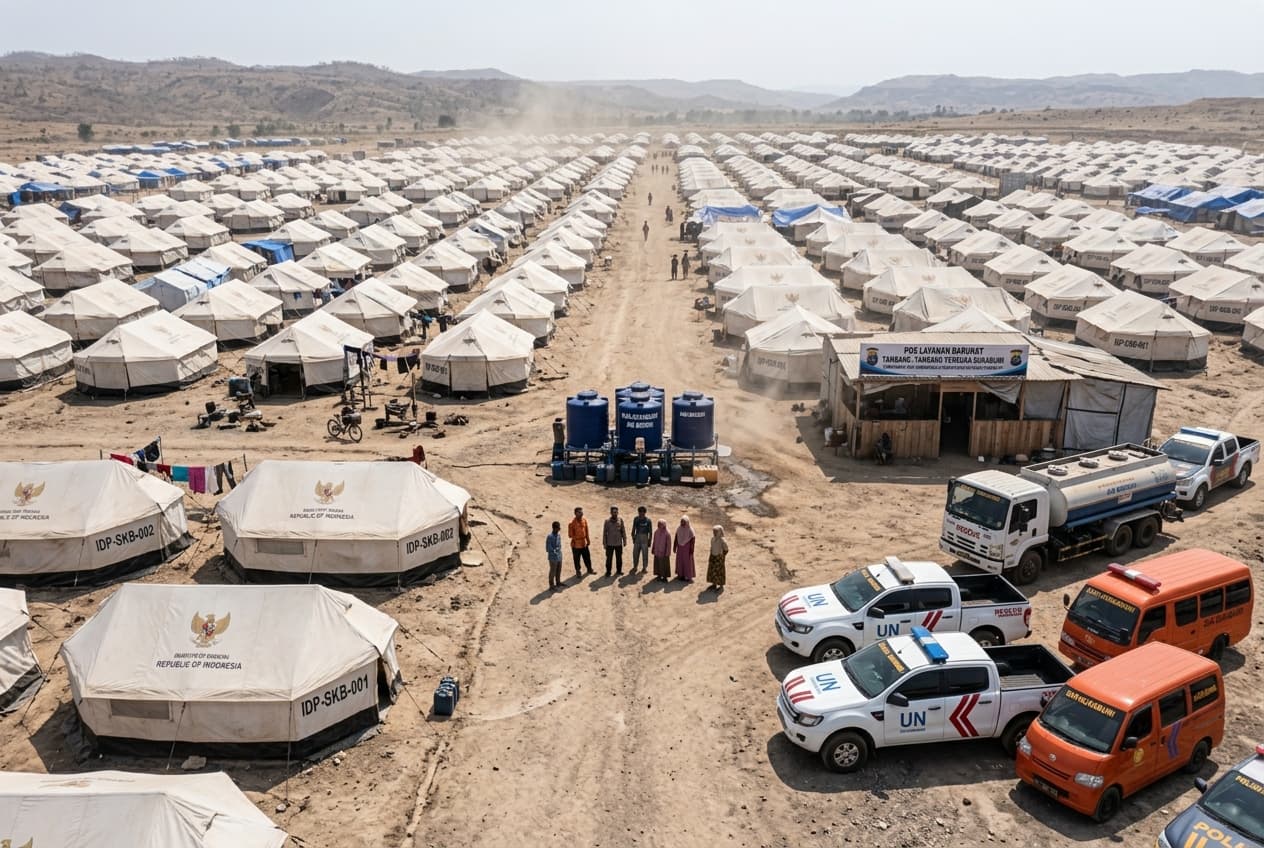
AI Image Disclaimer Visuals are created with AI tools and are not real photographs.
Source Check — Credible Mainstream / Niche Media Here are 5 credible sources confirming that measles is spreading to college campuses in the U.S. as part of broader outbreaks:
Inside Higher Ed — reporting measles cases on multiple U.S. college campuses. HealthDay / Medical Xpress — coverage of measles extending to college campuses as cases rise across 17 states. WCJB / Local Florida reporting — University of Florida confirms measles cases and contact tracing on campus. WIS News 10 / FOX Carolina — two South Carolina colleges report confirmed measles cases. Reddit / NBC affiliate & other local reports — outbreaks at Ave Maria University and cases linked to Wisconsin and South Carolina campuses.
Published by Banx Network. This article is part of the Banx decentralized media programme, powered by the BXE token on the XRP Ledger.