
Key Highlights
- Recent missile attacks from Iran targeted U.S. military bases in Bahrain and Qatar.
- Gulf states are reassessing their security measures amid rising regional tensions.
- Oil prices spiked due to fears of disruptions in shipping lanes.
The Persian Gulf, known for its stunning glass skyscrapers and bustling marinas, has long been a symbol of stability in a tumultuous region. Cities like Dubai, Doha, Manama, and Kuwait City have thrived on the promise of safety and prosperity, attracting tourists and investors alike. However, recent events have cast a shadow over this image, as missile and drone attacks from Iran have escalated tensions and raised alarms across the Gulf.
In the wake of coordinated U.S.–Israeli strikes on Iranian territory, Iran retaliated with missile attacks that crossed the airspace of Bahrain and Qatar, targeting U.S. military installations. The attacks prompted air defense systems to spring into action, illuminating the night skies that were once only filled with fireworks. In Bahrain, where the U.S. Navy's Fifth Fleet is stationed, authorities confirmed incoming missiles aimed at military infrastructure. Meanwhile, in Qatar, the Al Udeid Air Base, a critical hub for American operations, activated its defense systems amid reports of aerial threats.
Despite the interception of many projectiles, the sound of sirens and the temporary closure of airspace rattled the nerves of residents in cities accustomed to calm predictability. Flights were rerouted, embassies issued travel advisories, and hotels reassured guests of their safety. This sudden shift in atmosphere has left many questioning the long-held belief that the Gulf states are insulated from the conflicts that plague other parts of the Middle East.
For decades, Gulf nations have cultivated an image of stability and prosperity, with Dubai positioned as a global financial hub and Qatar leveraging its diplomatic influence. Saudi Arabia has embarked on ambitious economic transformation plans to diversify its economy beyond oil. These efforts have created a façade of security, suggesting that prosperity can coexist with regional complexities. However, the recent missile attacks have revealed the fragility of this illusion.
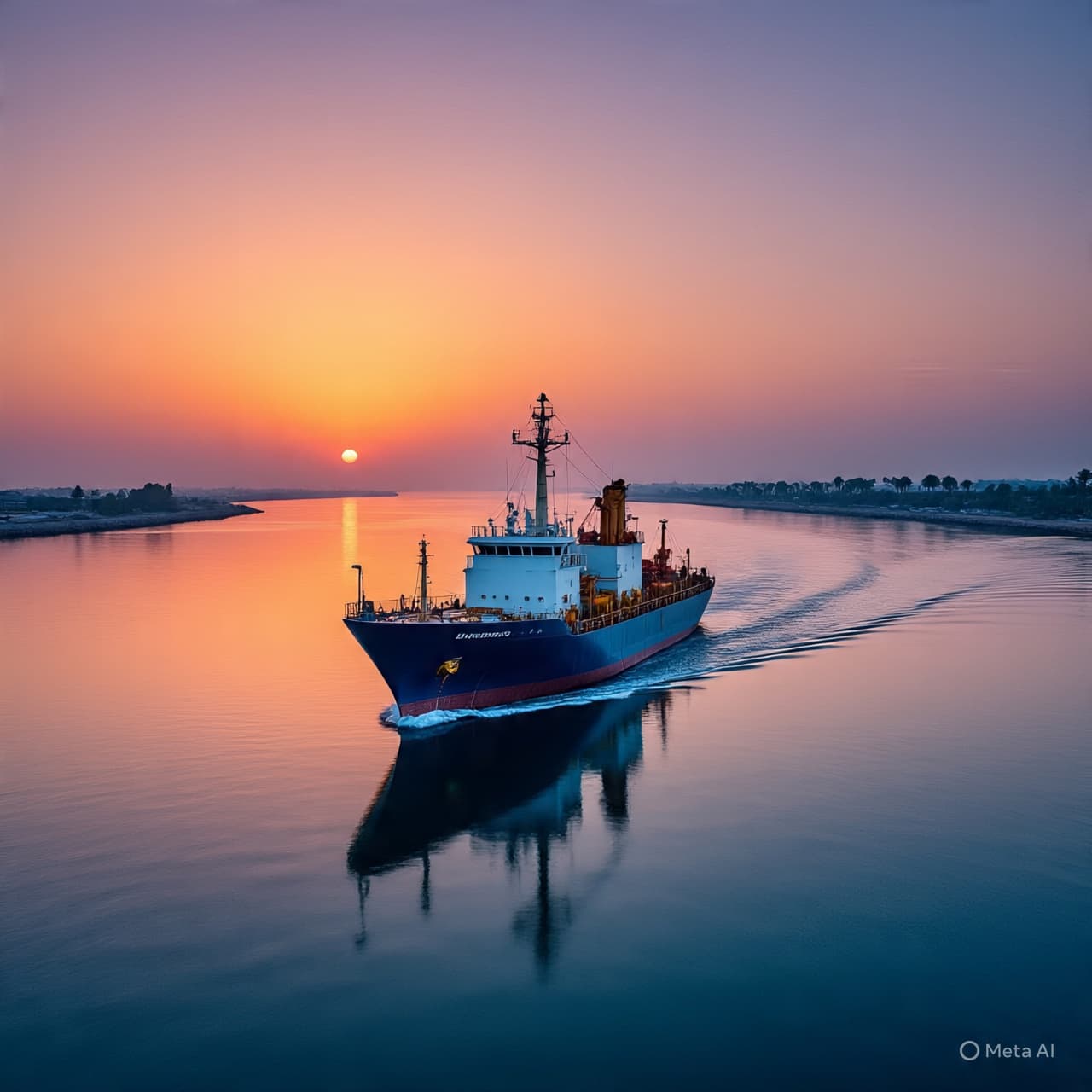
Geographically, the Gulf is a critical maritime corridor, bordered by Iran to the north and allied nations across the water. As tensions rise, the interconnectedness of defense alliances and energy corridors becomes increasingly apparent. Oil markets reacted swiftly to the recent exchanges, with prices spiking amid fears of disruptions to tanker traffic. Shipping insurance premiums surged, and governments convened emergency sessions to bolster air defenses and reaffirm their commitment to protecting civilian populations and economic lifelines.
Despite the heightened tensions, daily life in the Gulf continues. In Dubai's financial district, office workers returned to their towers, and families strolled along the Corniche in Doha, albeit under heightened security. In Manama, café tables filled with patrons discussing both ordinary concerns and the unsettling proximity of missile alerts. The image of a safe haven has not collapsed entirely; it has merely been tested.
As night falls over the Gulf, the shimmering lights reflect a complex reality. Cargo ships navigate dark channels, and aircraft trace careful arcs above reinforced airspace. The glass towers remain luminous and composed, yet beneath their glow lies a growing awareness: security is both strong and fragile. The recent attacks serve as a reminder that even in places designed to symbolize refuge, the currents of history are never fully contained.
Published by Banx Network. This article is part of the Banx decentralized media programme, powered by the BXE token on the XRP Ledger.



