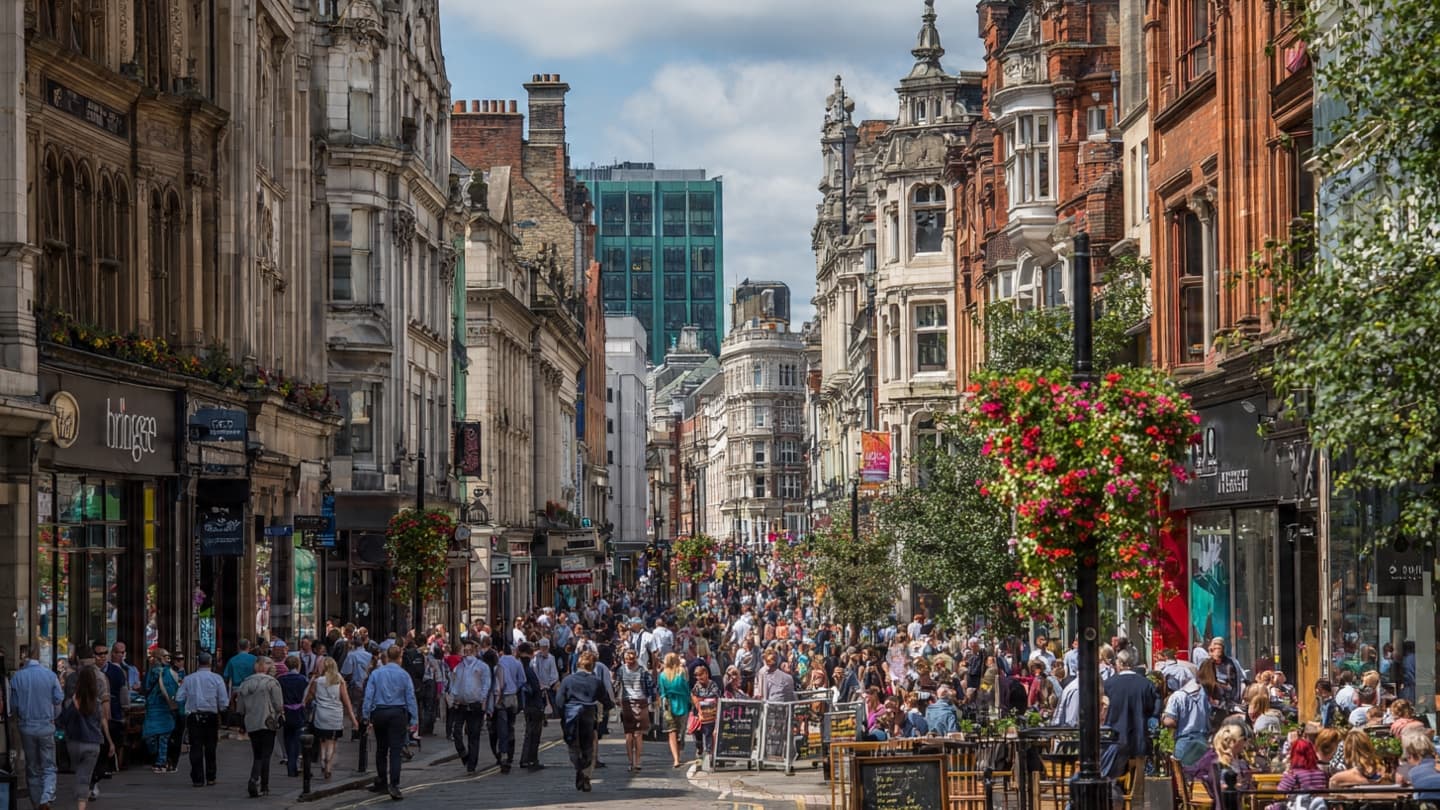
A service economy rarely announces itself with the sound of machinery. Its movement is found instead in restaurants filling tables, offices opening their doors, shops welcoming customers and digital systems processing another day's transactions. In Britain, those quieter signs of activity became more noticeable in August.
The S&P Global Flash Services Purchasing Managers' Index rose to 52.8 in August, reaching a six-month high and exceeding expectations for a decline. The reading suggested that Britain's services economy was continuing to expand despite a complicated international environment.
Consumer confidence also improved, reaching its highest level since August 2024. That matters because household sentiment can influence decisions about spending, travel, dining and other services that form a large part of Britain's domestic economy.
Technology investment provided another source of momentum. Companies are spending on digital systems and artificial intelligence, creating demand not only for software but also for consultants, infrastructure providers, data services and other businesses connected to the expanding technology ecosystem.
The influence of AI is therefore beginning to appear in economic statistics in less obvious ways. It is not limited to technology companies creating artificial intelligence models. Businesses across other sectors are investing in computing systems, automation and digital tools intended to improve productivity.
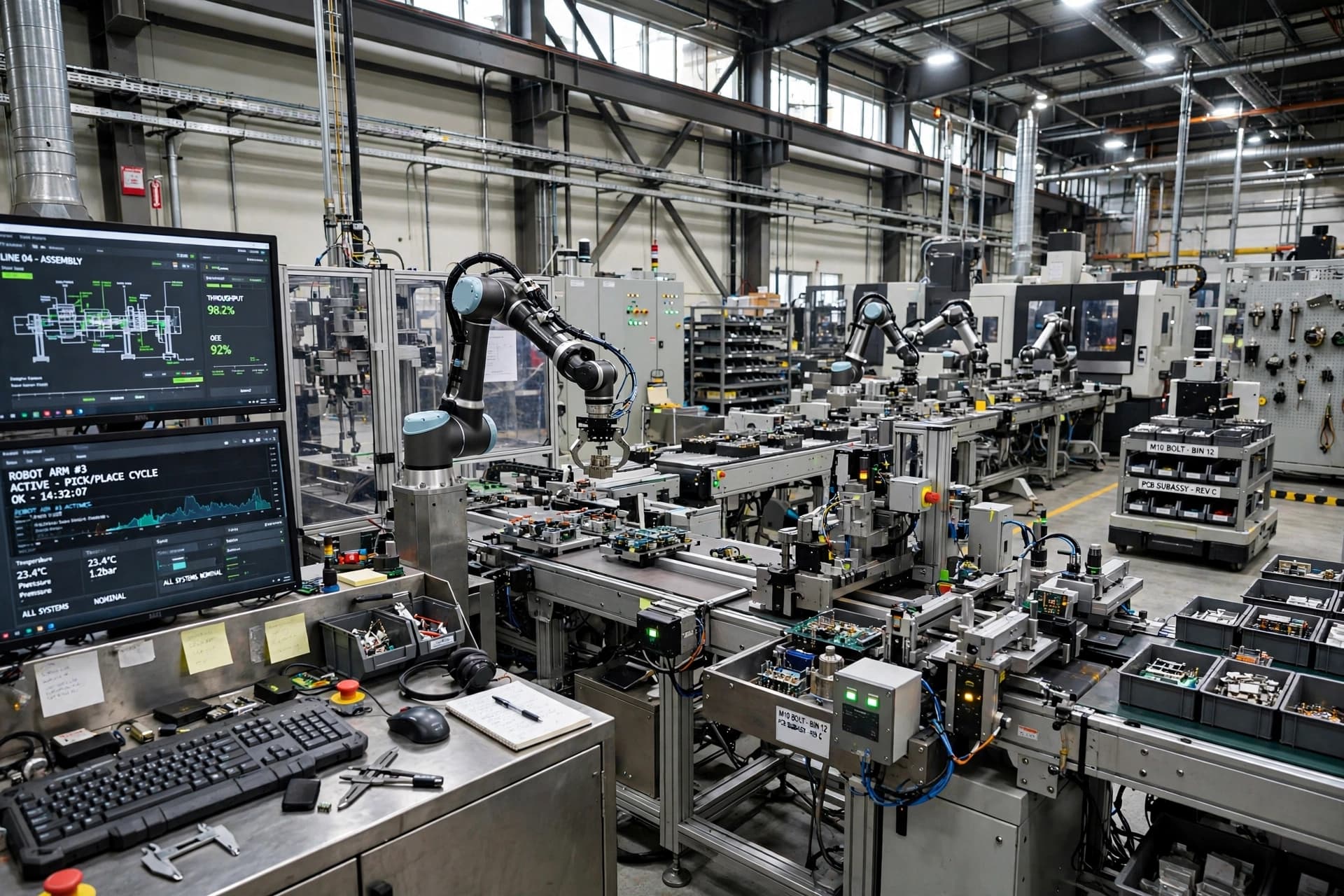
The improvement in services contrasted with manufacturing, where the August PMI eased to 51.5. Manufacturing remained in expansion, but the slower pace illustrated how differently various parts of the economy can move at the same time.
Employment remained a more complicated part of the picture. Overall sector employment continued to fall, although the rate of decline slowed. That suggests that stronger business activity has not yet translated evenly into increased hiring across the service economy.
Prices also continued to rise. Input and output costs increased during August, influenced partly by higher global energy expenses. Businesses therefore faced the familiar challenge of maintaining activity while managing the cost of providing their services.
Business optimism nevertheless reached a seven-month high. Companies appeared more confident about future conditions, creating a more positive tone around the economy even as inflation and employment remained areas of attention.
Britain's August figures therefore offer a mixed but generally firmer picture. Services are expanding, consumers are feeling more confident and technology investment is providing another source of activity, while businesses continue to navigate costs and a labor market that has yet to fully reflect the improvement.
AI Image Disclaimer These illustrations were created with AI tools for conceptual purposes and are not real photographs of British businesses or economic activity.
Sources Reuters S&P Global Office for National Statistics Bank of England CBI
Published by Banx Network. This article is part of the Banx decentralized media programme, powered by the BXE token on the XRP Ledger.