Hospitals are places where time has always mattered. A diagnosis delayed can change a treatment plan, while a small administrative improvement can give a clinician more minutes with a patient. Britain's National Health Service is increasingly looking toward artificial intelligence and digital systems as tools that might reshape some of those moments.
AI applications are being explored across healthcare, including medical imaging, administrative processes and the organization of patient information. The intention is generally not to remove clinicians from the process but to give them systems capable of handling certain tasks more quickly.
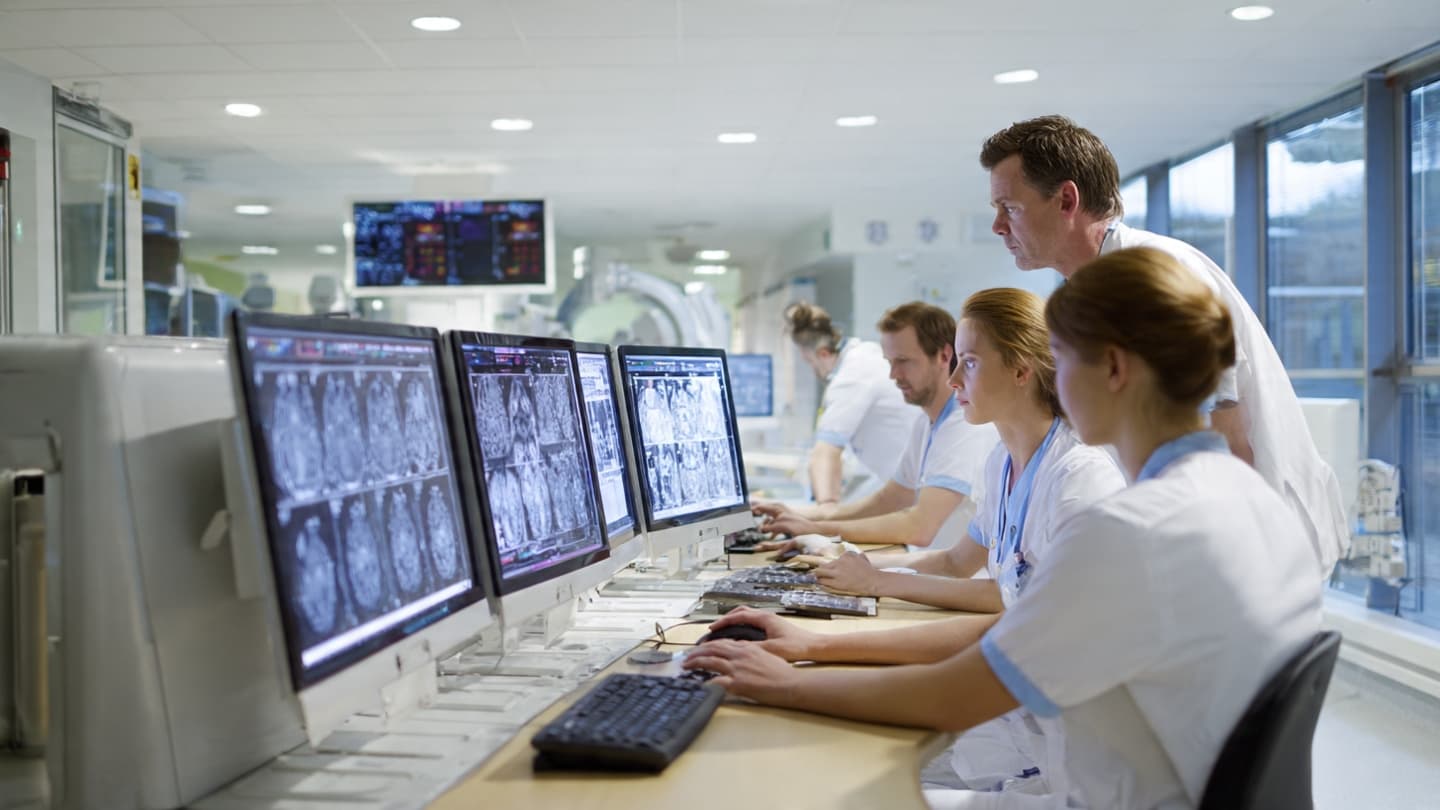
Medical imaging is one area where machine learning can be useful. Algorithms can examine scans and identify patterns that may warrant closer attention from radiologists. Such systems can potentially help prioritize cases, although professional assessment remains essential.
Administrative work offers another opportunity. Healthcare workers spend considerable time preparing documentation, arranging appointments and managing information. Digital tools that automate repetitive tasks could allow more of that working day to be directed toward patients.
The scale of Britain's NHS makes even modest improvements potentially significant. A system serving millions of people generates enormous quantities of information every day, creating both an opportunity and a challenge for digital technology.
Data governance is consequently central to the discussion. Medical records contain highly sensitive information, and systems using them must meet strict standards around privacy, security and appropriate access.
There is also the question of trust. Clinicians need to understand how AI tools reach conclusions, while patients need confidence that technology is being used responsibly. An algorithm may provide a useful recommendation, but medical care still depends on communication and human judgment.
Britain's universities and technology companies are contributing to the development of healthcare AI, creating connections between research and the NHS. Some technologies are moving from experimental studies toward practical applications, although adoption remains uneven across different parts of the health system.
The financial dimension is also important. Healthcare systems are under pressure to provide more services while managing limited resources. If digital tools can reduce administrative burdens or improve diagnostic efficiency, they could potentially contribute to that balance.
Britain's healthcare technology journey is therefore unfolding gradually. Artificial intelligence is becoming another instrument within hospitals and clinics, working alongside doctors, nurses and researchers as the NHS explores how digital systems can support the complex, human rhythm of medical care.
AI Image Disclaimer The accompanying visuals are AI-generated conceptual illustrations and are not photographs of actual NHS facilities, patients, or medical procedures.
Sources NHS England UK Department of Health and Social Care The Alan Turing Institute Nature Medicine Reuters
Published by Banx Network. This article is part of the Banx decentralized media programme, powered by the BXE token on the XRP Ledger.